
23 Years Behind Bars: Allahabad High Court Acquits Man in Murder Case, Flags ‘Sad’ Justice Delays
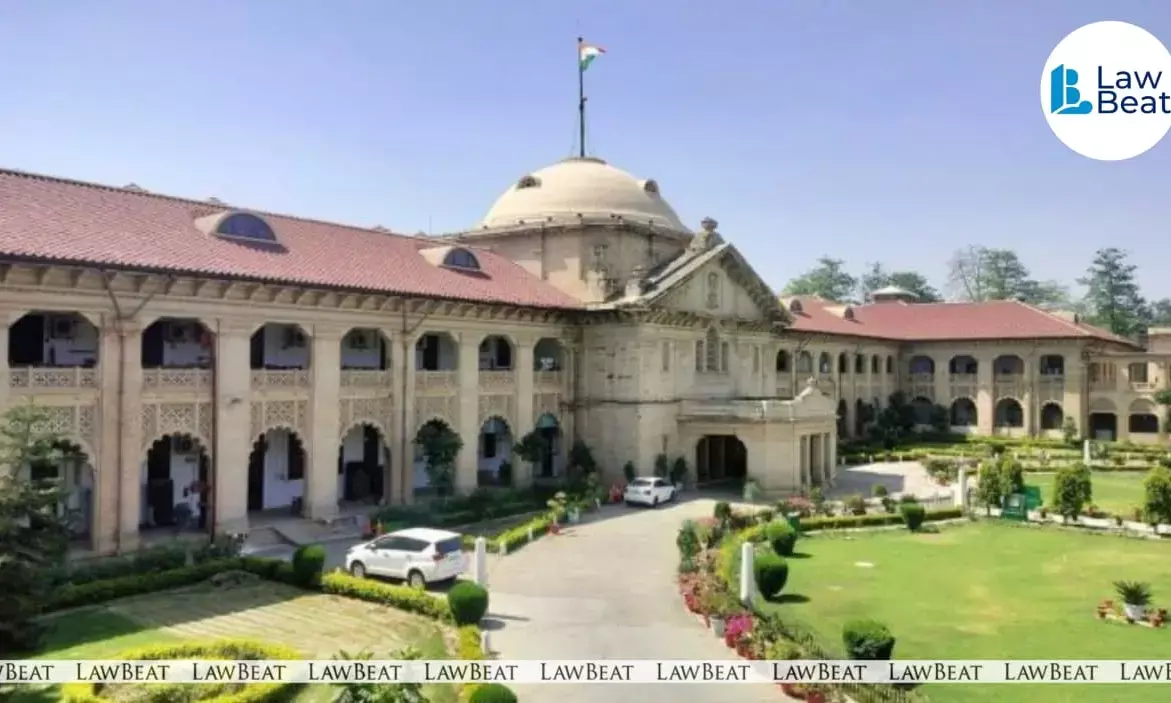
The Allahabad High Court acquitted a man after nearly 23 years in jail
Acquitting a man who spent nearly 23 years in jail in murder case of his wife and children, the Allahabad High Court described the episode as a “sad commentary on our criminal justice delivery system”.
Court said structural reform in the disposal of criminal appeals requires increasing the number of judges, strengthening supporting staff and improving infrastructure as having conferences and meetings alone cannot fix mounting delays in criminal appeals.
The division bench of Justice Siddharth and Justice Jai Krishna Upadhyay made the observation while allowing a criminal appeal filed by one Raees.
Court noted that criminal appeals require sustained judicial labour and cannot be resolved through administrative optics. It stressed that there is no shortcut to hard work in deciding appeals and warned that systemic deficiencies in infrastructure and staffing directly affect timely disposal of cases.
The case dates back to the night of 29/30 August 2003, when Noor Jahan and three of her children were found dead with deep incised injuries to their necks. An FIR was lodged by her uncle, Mohd. Zabir, alleging that Raees had killed them following a domestic altercation.
The prosecution relied heavily on the testimony of Azim, the couple’s surviving son, who initially claimed to have witnessed the murders. However, during cross-examination, he admitted that he had been tutored by the informant and lawyers and that he gave statements as directed. He further stated that his father had returned home the next morning after receiving telephonic information about the incident.
Court found material contradictions between the testimonies of key witnesses. It noted that although Noor Jahan’s parents and brothers were alive, none of them lodged the FIR or appeared as prosecution witnesses. The bench also found evidence suggesting prior enmity between the informant and the accused.
The alleged recovery of a knife at the instance of the accused did not inspire confidence. The investigating officer failed to satisfactorily explain delays in recording statements of recovery witnesses. Further, the jail doctor who examined the accused shortly after his arrest found injuries on his body, including broken nails, raising questions about custodial treatment. The investigating officer had denied any custodial assault.
Court also scrutinised the prosecution’s reliance on extra-judicial confessions allegedly made by the accused to two witnesses from another village. Referring to settled law that extra-judicial confession is a weak form of evidence requiring strong corroboration, the bench held that the circumstances did not inspire confidence.
Medical evidence further weakened the prosecution case. The post-mortem reports showed that each deceased suffered a single but extremely deep incised wound severing major neck structures, including the trachea and vertebral column. Court observed that such injuries appeared to have been caused by a heavy sharp-edged weapon, casting doubt on the prosecution’s claim that an ordinary knife was used.
While acknowledging that the crime was “gruesome” and committed in a brutal manner, the bench concluded that the prosecution had failed to establish beyond reasonable doubt that the offence was committed by the appellant. Granting him the benefit of doubt, vourt ordered his immediate release, noting that he had been in jail for about 23 years.
In a poignant closing remark, court observed that the appellant’s ordeal may not end with his release, as he returns to a life where his wife and three children are gone and his surviving son’s acceptance remains uncertain. It underscored that systemic judicial delays carry deep human consequences, reinforcing the urgent need for structural reform in the justice delivery system.
Case Title: Raees vs. State of UP
Order Date: February 16, 2026
Bench: Justices Siddharth and Jai Krishna Upadhyay