
Abhijeet Dipke, Ashutosh Ranka, Saurav Das & Dhruv Rathee Released After Signing Bonds To Maintain Peace For 1 Year
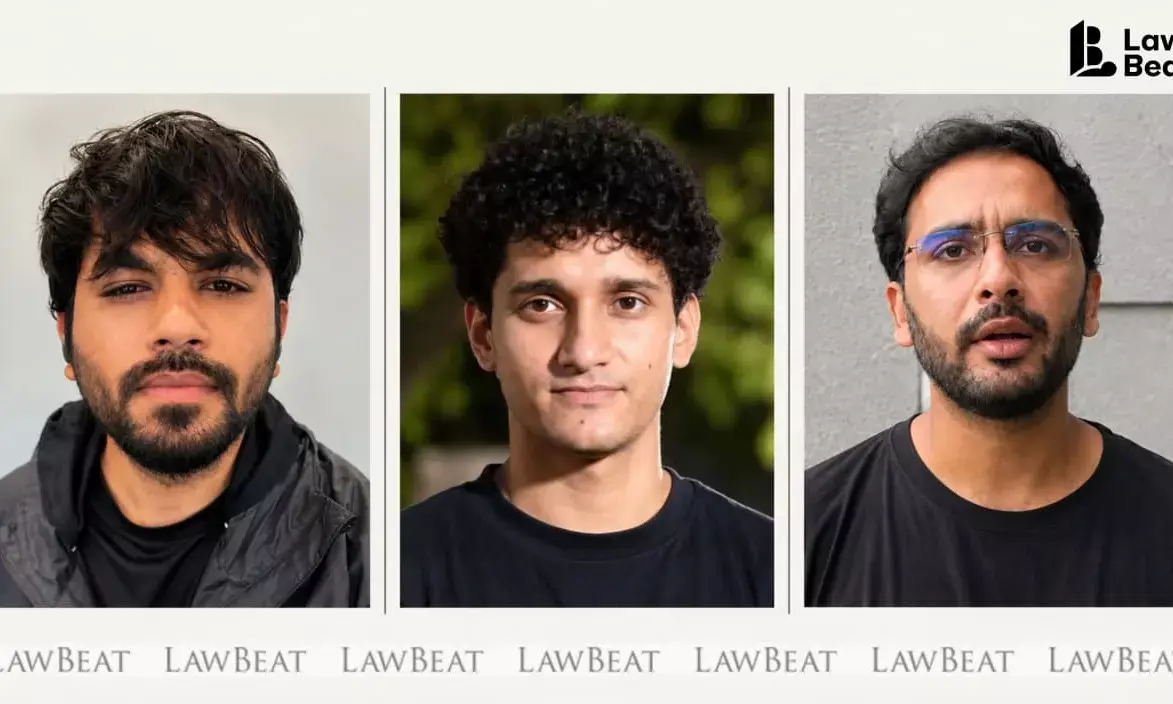
Abhijeet Dipke, Ashutosh Ranka and Saurav Das, leaders associated with the Cockroach Janta Party (CJP), have been released by the Special Executive Magistrate (SEM) Court, Delhi Cantt, today, after they furnished surety bonds of ₹50,000 each to maintain peace and good behavior for a period of one year.
According to the Delhi Police, the three were preventively arrested on October 10, 2026, under Sections 126 and 170 of the Bharatiya Nagarik Suraksha Sanhita (BNSS), 2023.
They were detained by the Delhi Police from their flight yesterday, immediately after landing in Delhi, to protest against Chief Election Commissioner Gyanesh Kumar.
They were produced before the SEM Court today, after the police completed the requisite legal procedures.
The court ordered their release after they furnished the bonds for maintaining peace and good behaviour for the next year.
Separately, YouTuber Dhruv Rathee also signed a bond before an Executive Magistrate, undertaking not to indulge in any breach of peace for one year.
The developments come amid preventive action by Delhi Police ahead of the proposed protest against Chief Election Commissioner Gyanesh Kumar in the national capital.
What Do Sections 126 And 170 Of The BNSS Provide?
Section 126 of the BNSS empowers an Executive Magistrate to require a person who is likely to commit a breach of peace or disturb public tranquillity to show cause why they should not execute a bond for keeping the peace. The bond may be required for a period of up to one year.
Section 170 of the BNSS empowers a police officer to arrest a person without a warrant to prevent the commission of a cognizable offence, provided the statutory conditions are satisfied. Detention under this provision is subject to the limits prescribed by law.
The proceedings against the three CJP leaders were preventive in nature and concerned the requirement to maintain peace and good behaviour.
Their release followed the execution of the bonds before the SEM Court.
The Supreme Court is also holding a special sitting today to consider a petition challenging the Delhi Police's preventive detention of several individuals, including political leaders, former Chief Ministers, students, journalists, lawyers and other protesters.
The plea alleges that the detentions violate the rule of law and undermine democratic dissent.
The Supreme Court is also scheduled to hear a contempt petition concerning the alleged blanket suspension of public transport, railway and Metro services to prevent protesters from reaching the national capital.
Meanwhile, a Delhi court yesterday dismissed a plea filed by Ratna Singh, the legal affairs head of the CJP, seeking the registration of an FIR against police personnel over her alleged illegal detention and her immediate release.
Singh sought registration of an FIR against police personnel for allegedly wrongfully confining her and preventing her from joining the proposed CJP protest at Jantar Mantar against Chief Election Commissioner (CEC) Gyanesh Kumar, for which Delhi Police had denied permission.