
Access To Justice Prevails: Madhya Pradesh High Court Restores Divorce Plea Dismissed For Non-Payment Of Maintenance
Financial Incapacity No Bar: MP High Court Revives Divorce Plea Dismissed Over Maintenance Dues
The Madhya Pradesh High Court has held that a litigant cannot be denied access to justice solely on account of financial incapacity, restoring a man’s divorce petition that had been dismissed by a Family Court for non-payment of interim maintenance dues. The ruling underscores that procedural compliance, while important, cannot override substantive legal rights where genuine financial hardship is demonstrated.
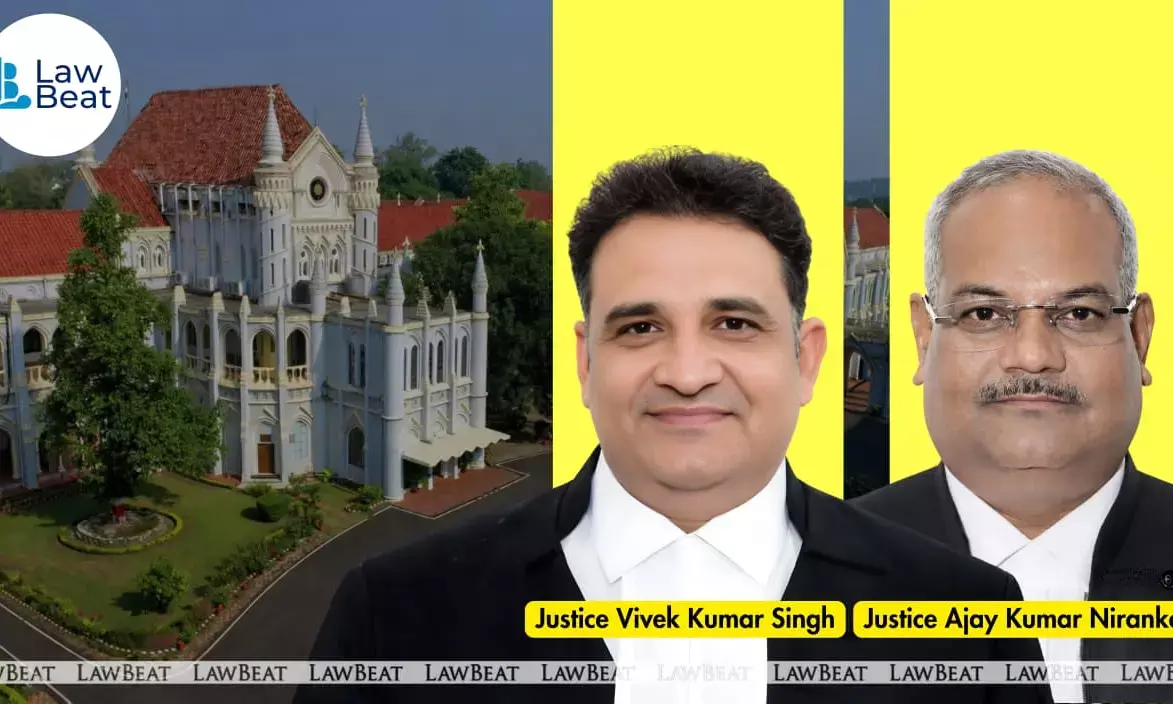
A Division Bench of Justice Vivek Kumar Singh and Justice Ajay Kumar Nirankari was dealing with a first appeal filed by Ameer Ali challenging the order of the Principal judge, Family court, Chhatarpur, which had dismissed his divorce petition under Section 2 of Mohammedan Law. The Family court had refused to proceed with the matter on the ground that the appellant had failed to deposit 50 percent of the arrears of interim maintenance and litigation expenses, as earlier directed.
The High court first addressed an application seeking condonation of delay of 129 days in filing the appeal. The appellant attributed the delay to his poor financial condition. While opposing the plea, the respondent relied on material to show that the appellant had failed to comply with maintenance orders passed under Section 125(3) of the Code of Criminal Procedure and argued that the delay lacked bona fides. The court, however, found the explanation sufficient and condoned the delay, allowing the matter to be heard on merits.
On facts, the court noted that the marriage between the parties had taken place in 2006 as per Muslim rites and that disputes had arisen subsequently, leading the appellant to institute divorce proceedings. During the pendency of those proceedings, the Family court had directed payment of interim maintenance of Rs. 2000 per month and litigation expenses of Rs. 300 per appearance. Upon non-compliance, the Family court imposed a condition requiring deposit of 50 percent of arrears before permitting the appellant to lead evidence. When the appellant failed to comply, the petition itself was dismissed.
Before the High Court, Shri Rajendra Yadav, counsel for the appellant submitted that his client’s financial condition was extremely poor but that he had now arranged the required amount and was ready to deposit 50 percent of the outstanding dues. It was urged that the dismissal of the petition had resulted in grave prejudice and that an opportunity ought to be granted to contest the case on merits.
Shri Brijesh Kumar Mishra, counsel for the respondent, on the other hand, contended that the appellant had deliberately avoided compliance with maintenance orders and that substantial arrears exceeding Rs. 3 lakh were already pending. It was argued that allowing the appeal would adversely affect ongoing execution proceedings and encourage non-compliance.
After hearing both sides, the High court found that the Family court had dismissed the divorce petition solely on the ground of non-payment of 50 percent of interim maintenance arrears and litigation expenses. The bench observed that such dismissal effectively deprived the appellant of an opportunity to pursue his legal remedy. Emphasising the need to balance procedural discipline with access to justice, the court held, “a person could not be debarred from his legal rights only on the basis of financial incapability.”
In view of this reasoning, the High court set aside the impugned order dated May 9, 2025, and restored the original proceedings to their file before the Family Court. It directed both parties to appear before the Family court, Chhatarpur, on April 6, 2026, and instructed the trial court to proceed with the matter and decide it on its own merits.
Case Title: Ameer Ali v. Smt. Fareeda Bano
Date of Order: March 24, 2026
Bench: Justice Vivek Kumar Singh and Justice Ajay Kumar Nirankari