
After West Bengal, Maharashtra Appoints Retired Supreme Court Judge Ranjana Desai To Head UCC Panel
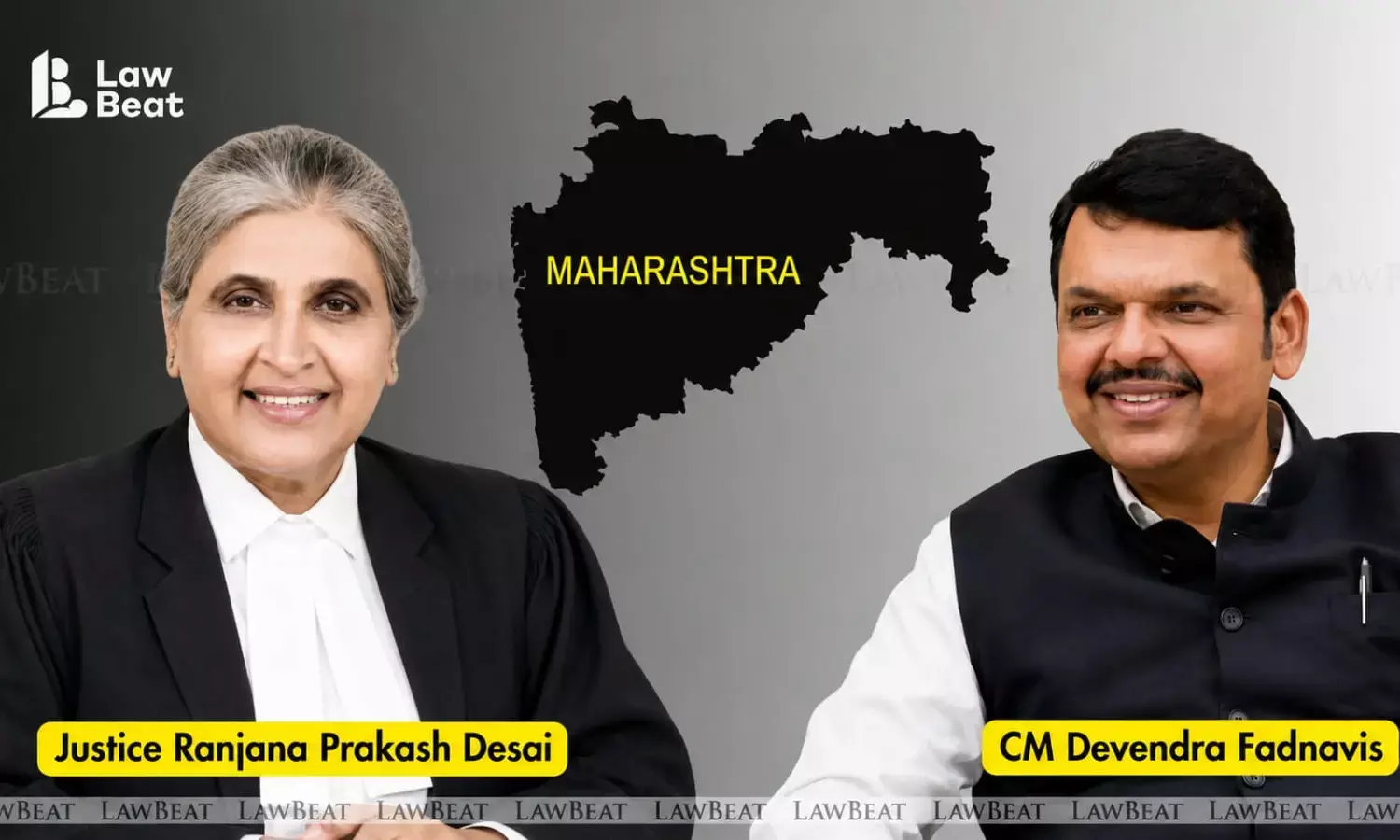
Maharashtra government initiates UCC implementation by constituting a 7-member committee headed by retired Supreme Court judge Justice Ranjana Desai.
Maharashtra government has now constituted a high-level committee to draft the Uniform Civil Code framework. Making the announcement in the Legislative Assembly, Chief Minister Devendra Fadnavis shared details regarding the committee’s chairperson and its members.
A seven-member committee has been formed under the chairmanship of retired Supreme Court Justice Ranjana Desai to chart out the framework for implementing the UCC in the state.
The panel will submit its comprehensive report within the next six months. The government aims to table the draft UCC bill during the upcoming winter session of the state legislature in Nagpur, where it will be presented before both Houses to initiate the legislative process for enactment, said the CM.
Headed by Retired Supreme Court Justice Ranjana Desai, the committee includes Retd High Court Justice R.C. Chavan, Retd High Court Justice S.G. Mehare, D.K. Jain (Former Chief Secretary), Birendra Saraf (Former Advocate General), Padma Shri Ramesh Patange (Social Worker) and Dr Suvarna Rawal (Educationist/Constitutional Expert).
This comes weeks after Minister of State for Home Yogesh Kadam informed the assembly that UCC will be implemented in Maharashtra and a committee under a retired High Court judge would be constituted to prepare the draft of the legislation.
Recently West Bengal Chief Minister Suvendu Adhikari had also announced that the State government will place the draft Uniform Civil Code (UCC) before the Cabinet on July 2, following which the proposed legislation will be introduced in the Legislative Assembly during its August session.
To prepare the legislation, the government has constituted a committee headed by former Supreme Court judge Justice (Retd.) Ranjana Prakash Desai. According to the Chief Minister, the committee includes legal experts, educationists, a social worker and an IAS officer. It has been tasked with examining various aspects of the proposed law and submitting its report within one month.
The announcement came shortly after the Assembly passed the West Bengal Public Safety and Control of Anti Social Activities Bill, 2026, with 176 members voting in favour and 41 against. According to the State government, the legislation seeks to strengthen the administration's powers to curb organised criminal activities and anti social elements after concluding that the existing legal framework had become inadequate.
UCC and Constitutional Framework
The Uniform Civil Code seeks to replace religion based personal laws governing matters such as marriage, divorce, inheritance, adoption and succession with a common civil law applicable to all citizens. The proposal traces its constitutional basis to Article 44 of the Constitution, one of the Directive Principles of State Policy, which urges the State to endeavour to secure a Uniform Civil Code throughout India.
At present, personal matters are governed by separate laws applicable to different religious communities, including the Hindu Marriage Act and Muslim Personal Law.
Uttarakhand became the first state after Independence to implement a Uniform Civil Code, making it a key reference point for other states exploring similar legislation. Several other states, including Gujarat and Assam, have also expressed support for reforms related to personal laws. Meanwhile, discussions on introducing similar legislation have taken place in states such as Madhya Pradesh and West Bengal.