
American Citizen Can't Be Denied Hindu Status Over Name, Nationality: Madras High Court
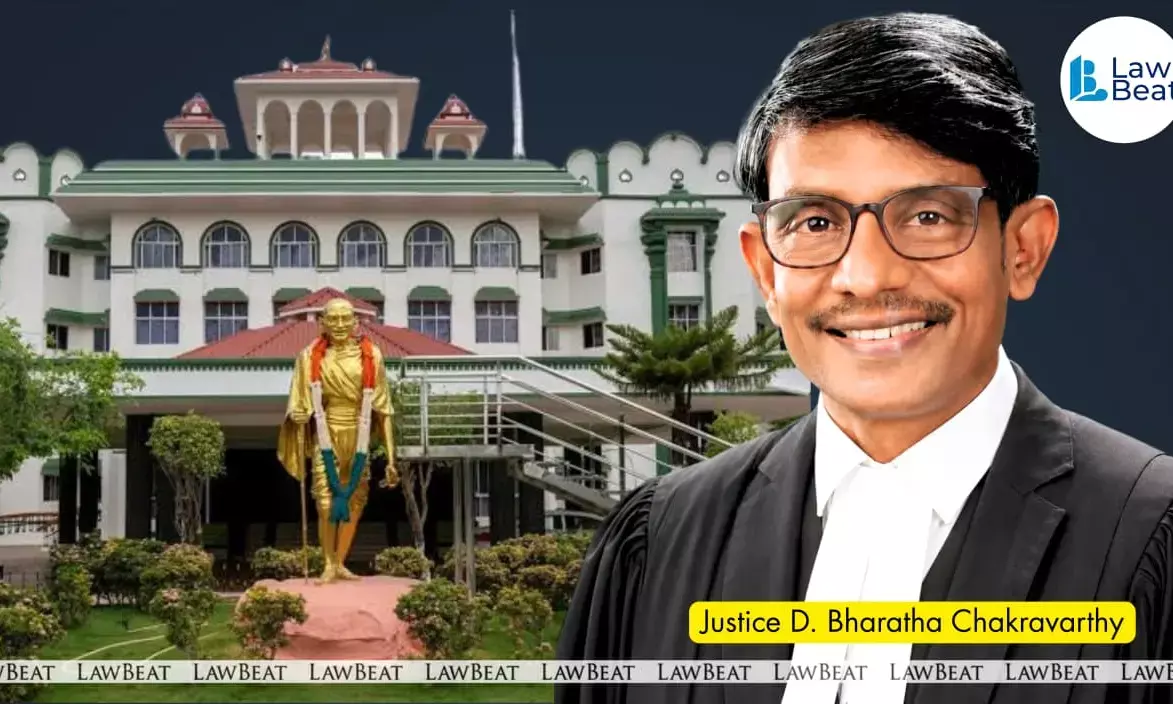
Madras High Court upholds American woman's right to worship as a Hindu.
The Madras High Court has held that an American citizen who professes and practises Hinduism cannot be denied recognition as a Hindu merely because she bears a foreign name or holds foreign citizenship, observing that Hinduism does not mandate any formal ceremony or certificate of conversion for acceptance into the faith.
The bench of Justice D. Bharatha Chakravarthy passed the order while allowing a writ petition filed by Laura Frances Iyengar, who challenged a communication issued by the Tamil Nadu Hindu Religious and Charitable Endowments (HR&CE) Department describing her as an "American Christian woman" and restricting her entry inside Sri Arulmighu Abishta Varatharajaperumal Temple in Thanjavur district.
Laura told the court that although she is an American citizen, she had embraced Hinduism several years ago and had consistently professed the Hindu faith. She said she had undertaken pilgrimages to various Hindu temples across India and had described herself as a Hindu even in her visa applications before marrying a Hindu man, Varadha Balaji Venkadakrishnan. Their marriage was solemnised at the same temple in September 2023, after which she continued participating in Vaishnavite religious practices.
Also Read| Supreme Court Revives Challenge To HR&CE Laws, Agrees To Hear Temple Control Case on Merits
The dispute arose after certain local residents objected to her entering the temple under the belief that she was not a Hindu. Following a representation made by her husband seeking permission for her to worship freely, the HR&CE Department issued the impugned communication. The department's order proceeded on the footing that she was an "American Christian woman" and stated that she had been permitted only in the temple's outer precincts so as not to hurt the sentiments of other devotees.
Can American citizenship determine a person's religion?
The high court answered the question in the negative.
During the hearing, the State admitted that since Laura was an American citizen, she had been presumed to be a Christian. It also submitted that objections had been raised by devotees when she visited the temple, though she had not been completely prevented from entering the premises.
Also Read| Community Temple Receives Public Donations? Govt Can Probe Misuse, Says Madras HC
Rejecting the stand, court held that the authorities' conclusion was unsupported by any material.
"Hinduism is a faith that has historically been inclusive and accommodating. Unlike certain other religions, it does not prescribe any mandatory formal ceremony of conversion or issuance of any certificate as a condition precedent for acceptance into the faith," court observed.
Referring to the Supreme Court's decision in Perumal Nadar v. Ponnuswami, the judge noted that a person may become a Hindu by conversion if there is a bona fide intention to embrace the faith coupled with conduct that unequivocally demonstrates such intention. The Supreme Court had also held that no formal ceremony of purification or expiation is necessary for conversion.
What rights will she have as a Hindu devotee?
Examining the material placed before it, the high court found that Laura had consistently identified herself as a Hindu and had conducted herself in a manner that clearly established her acceptance and practice of the faith.
Court held that merely because she bore the name "Laura Frances" or held American citizenship, she could not be denied recognition as a Hindu when her conduct and beliefs established her adherence to Hinduism.
Also Read| 'No Double-Meaning Songs, No Obscene Dances': Madras High Court on Temple Festival Programmes
It accordingly directed that she be treated as a Hindu devotee and enjoy the same rights available to any Hindu woman devotee. If Hindu women are permitted to enter a particular area of a temple or perform specific rituals under the applicable customs, usages, Agamas and regulations, Laura would also be entitled to the same rights. At the same time, court clarified that she would not be entitled to claim any special privilege unavailable to other Hindu women devotees.
Allowing the petition, the high court declared the HR&CE Department's order illegal to the extent it described Laura as an "American Christian woman" and directed the authorities not to deny her any right available to a Hindu woman devotee in any temple, including the Sri Arulmighu Abishta Varatharajaperumal Temple, subject to the customs, usages, Agamas and regulations governing the concerned temple.
Case Title: Laura Frances Iyengar v. TN HR and CE Department & Others
Order Date: June 25, 2026
Bench: Justice D. Bharatha Chakravarthy