
Bail Not a Right for Juveniles in Heinous Crimes if ‘Ends of Justice’ Defeated: Chhattisgarh HC
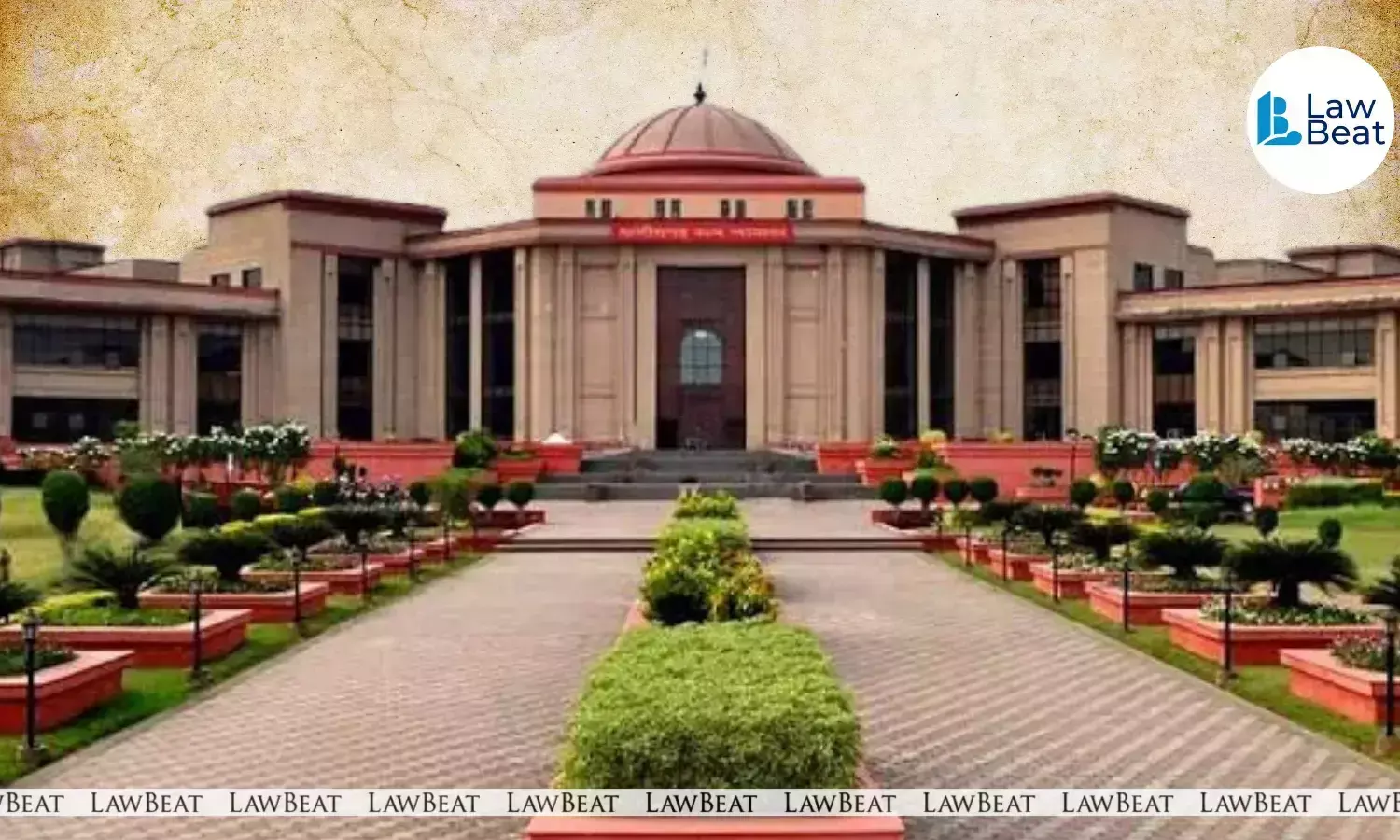
Chhattisgarh High Court holds that bail to a juvenile is not automatic in heinous offences and may be denied where release would defeat the “ends of justice”.
The Chhattisgarh High Court has held that bail to a juvenile is not an absolute right and can be refused in cases involving heinous offences where release would defeat the “ends of justice”, emphasising that the reformative object of the Juvenile Justice Act must be balanced against the gravity and manner of the crime.
The Court ruled that while the law presumes bail for children in conflict with law, the statutory exceptions under Section 12 permit denial where the offence is grave, the child’s release is likely to expose him to adverse influences, or where it would undermine societal confidence in the justice system.
Justice Arvind Kumar Verma upheld the concurrent orders of the Juvenile Justice Board and the appellate court refusing bail to a 16-year-old accused in a murder case, finding no illegality, perversity or jurisdictional error warranting interference in revision.
" Juvenile Act is a beneficial legislation intended for reformation of the juvenile/child in conflict with law, but the law also demands that justice should be done not only to the accused, but also to the accuser. Thus, while considering the room for granting the bail to a juvenile, the Court has to consider the surrounding facts and circumstances", it was observed.
The Court held that the material on record including the nature of the assault with a sharp-edged weapon, the social investigation report indicating lack of supervision and adverse influence, and the absence of prima facie evidence of private defence justified denial of bail as release at this stage would defeat the ends of justice
The prosecution case was that the juvenile, along with co-accused persons, assaulted the victim at night following an altercation and inflicted a fatal abdominal injury with a sharp weapon. The victim succumbed to the injuries.
The bail plea had earlier been rejected by the Juvenile Justice Board and the appellate court.
Before the High Court, the defence argued that continued detention would expose the child to criminal influence and psychological harm and that the social status report had been misread. It was also contended that the incident occurred in private defence and that the child had no criminal antecedents and came from a poor background.
The State opposed the plea, relying on the seriousness of the offence and the findings of the courts below.
Examining the statutory framework, the Court reiterated that Section 12 of the Juvenile Justice Act creates a presumption in favour of bail but also carves out specific exceptions.
The expression “defeat the ends of justice”, the Court held, is not a mere formality and allows the court to consider the nature and gravity of the offence along with other relevant factors such as the child’s conduct and the social investigation report.
Rejecting the argument that gravity of the offence is irrelevant in juvenile bail, the Court said the legislature would not have incorporated the proviso to Section 12 if bail were to be granted as a matter of right in every case. Relying on the Supreme Court’s ruling in Om Prakash v. State of Rajasthan, it held that while the Juvenile Justice Act is a beneficial legislation, its protection cannot be applied mechanically in cases involving serious crimes.
On facts, the Court found no material supporting the plea of private defence.
It also took note of the social investigation report, which indicated lack of proper supervision and a likelihood of the child coming into association with undesirable elements if released.
The Court observed that in cases of heinous offences, the impact on society and the victim cannot be ignored while applying the “ends of justice” test. It held that justice must be done not only to the child in conflict with law but also to the victim.
Holding that the lower courts had passed well-reasoned orders after proper appreciation of the material, the High Court dismissed the criminal revision.
The Court also clarified that revisional jurisdiction under Section 102 of the Juvenile Justice Act is limited and does not permit re-appreciation of facts unless there is a jurisdictional error.
Case Title: A v. State of Chhattisgarh
Bench: Justice Arvind Kumar Verma
Date of Judgment: 13.02.2026