
Bhagwant Mann Says Opposition Using 'Fake Videos' To Defame Him After FIR In Video Controversy
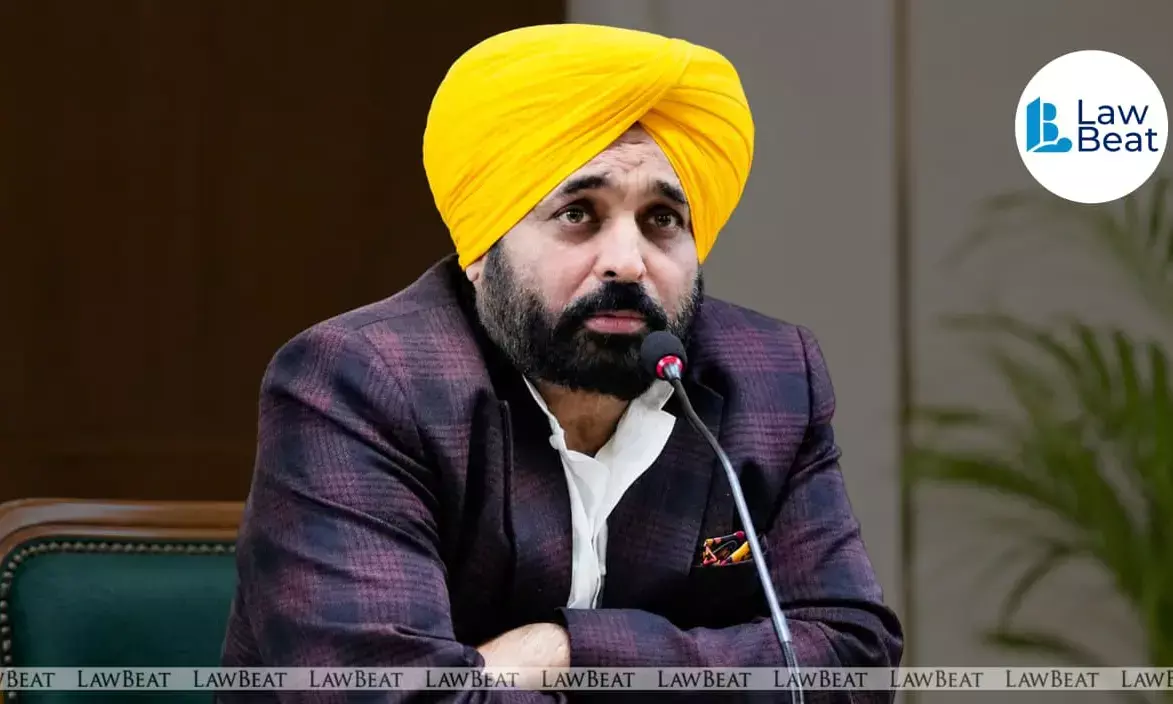
Bhagwant Mann Video Row Deepens as Akal Takht Flags 'Media Blackout' Over FIR
The political and legal controversy surrounding Punjab Chief Minister Bhagwant Mann intensified on Wednesday after the Akal Takht accused sections of the Punjabi and regional media of deliberately downplaying the registration of an FIR in the alleged fake forensic report case linked to the viral video controversy, even as Mann maintained that the opposition was attempting to malign his image by circulating fabricated videos.
The latest development follows the registration of an FIR by the Gurugram Police in connection with allegations that a forged digital forensic report was prepared to support the claim that the controversial video involving Mann had been generated using Artificial Intelligence. Two persons have reportedly been arrested in the case, and the investigation is examining the circumstances under which the report was allegedly prepared.
Reacting to the FIR, the Akal Takht said the registration of a criminal case was a significant legal development that should have received prominent coverage. Instead, it alleged that several Punjabi and regional media organisations either ignored the development or reported it in a limited manner. Calling it a "blackout," the Sikh religious body questioned whether important developments involving a constitutional functionary and allegations concerning religious sentiments were being selectively reported.
"The registration of an FIR in such an important matter has virtually been blacked out by sections of the Punjabi and regional media," the Akal Takht said, adding that the public has a right to receive complete and unbiased information regarding the controversy.
The controversy stems from a viral video that allegedly depicts objectionable conduct in the presence of revered Sikh figures. Earlier this month, the Akal Takht declared Mann "Guru Dokhi" and "Khalsa Panth Virodhi," relying on forensic reports which, according to the Sikh body, concluded that the video was genuine and not AI-generated or digitally manipulated. The development triggered sharp political reactions across Punjab and demands from Sikh organisations seeking accountability from the Chief Minister.
Mann, however, has consistently denied being the person seen in the video and has rejected the allegations. Addressing the media on Wednesday, the Chief Minister accused opposition parties of weaponising religion to target him politically. He alleged that "fake videos" were being released to tarnish his image and insisted that the controversy was part of a larger conspiracy against him and the Aam Aadmi Party.
"The opposition parties are trying to defame me. They are releasing fake videos," Mann said, adding that his political rivals had joined hands to malign his reputation. He further alleged that forensic laboratory owners were pressured and threatened into claiming that they had prepared fabricated reports, asserting that the controversy was politically motivated rather than evidence-based.
The competing narratives have further complicated an already sensitive dispute involving allegations of religious sacrilege, conflicting forensic claims and criminal proceedings. While the Akal Takht maintains that forensic examinations support its stand regarding the authenticity of the video, Mann has continued to insist that the clip is fabricated and that he has been falsely implicated through a coordinated political campaign.
The FIR has also added a fresh legal dimension to the controversy, with investigators now probing the alleged preparation and use of a forged forensic report. The outcome of the investigation could prove significant, as it may determine whether any criminal liability arises from the preparation or circulation of forensic material connected to the dispute.
As the Haryana Police investigation progresses, attention is expected to remain on the authenticity of the forensic evidence, the legality of its preparation and the broader political implications of one of Punjab's most closely watched controversies.
With Inputs from The Print