
Bombay HC Directs Rs. 50 Lakh Covid Compensation To Family Of Municipal Worker Who Died On Frontline Duty
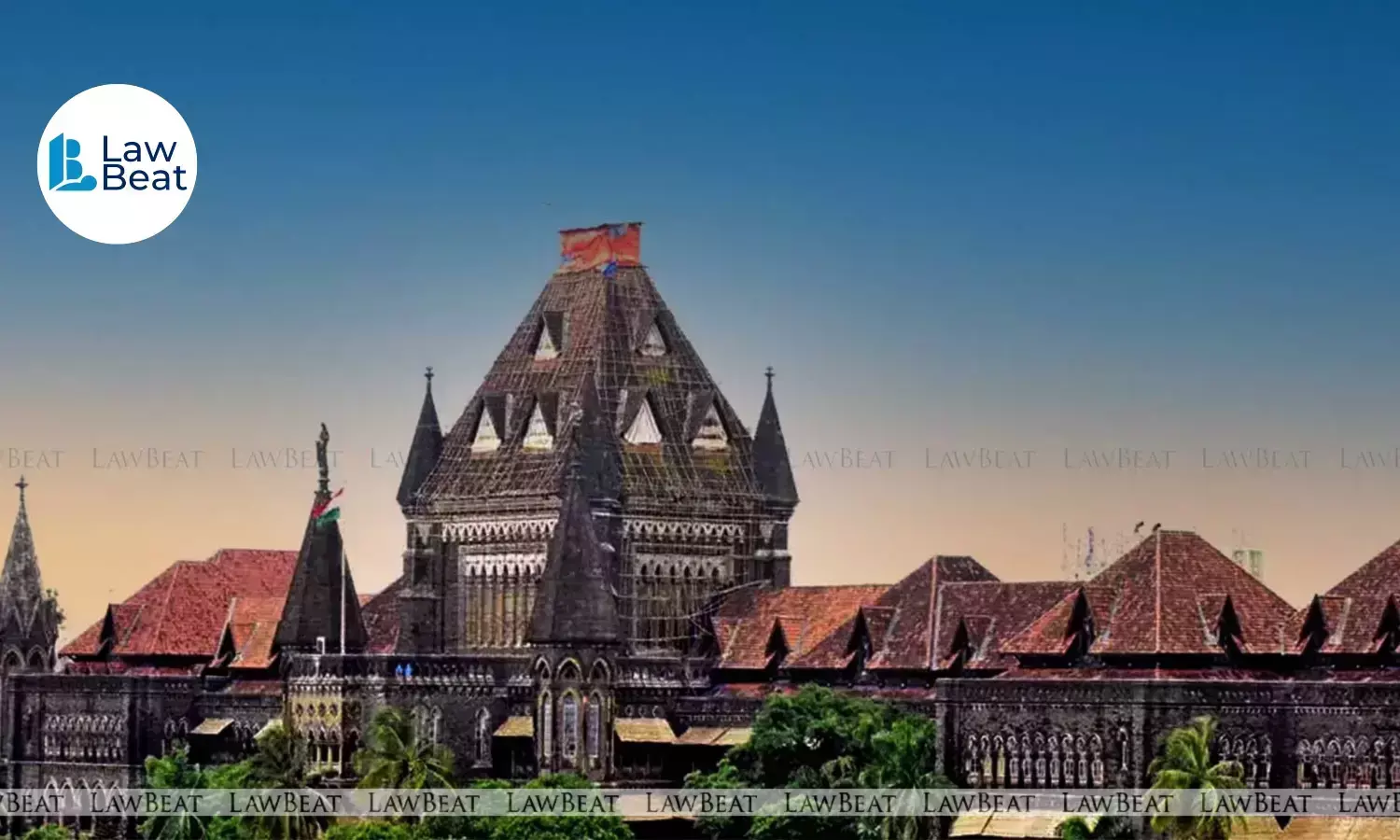
The Bombay High Court directed the State to pay Rs. 50 lakh Covid compensation to the family of a municipal worker who died while deployed on frontline pandemic duty.
The Bombay High Court has directed the State of Maharashtra to release Rs. 50 lakh Covid compensation to the family of a Class IV municipal employee who died in March, 2021 while deployed on frontline Covid duty, holding that technical procedural objections cannot defeat the legitimate claim of heirs of a frontline worker.
The Court observed that subjecting the family to further bureaucratic scrutiny after nearly five years of delay would add to their agony and would be contrary to the spirit of the Government Resolution granting ex-gratia assistance to frontline municipal employees who died due to Covid-19.
A Division Bench of Justices M.S. Karnik and S.M. Modak allowed the writ petition filed by the widow and legal heirs of late Unmesh Sharad Kulkarni, directing the Collector, Nashik, to process the proposal forwarded by the Manmad Municipal Council and to treat the death as Covid-related.
"In such trying times when the employee contracted Covid, to expect him to be admitted only in a government hospital for claiming an entitlement, is arbitrary and unjust. To subject the proposal for minute scrutiny in terms of the GR which is issued after the death of the employee would be unjust, particularly when the cause of death is already on record and further when there is no dispute that the concerned employee was a frontline worker tackling the surge of Covid-19 virus", the bench observed.
The Court further directed the State to grant approval within four weeks thereafter and ensure payment of Rs. 50 lakh compensation within ten weeks, warning that any attempt to delay or defeat the claim on technical grounds would be viewed seriously.
The deceased employee had joined Manmad Municipal Council in 1990 as a sweeper and had served for nearly 31 years. On 09.01.2021, amid the Covid-19 surge, he was specifically appointed as force staff to tackle pandemic-related duties at Dr. Babasaheb Ambedkar Playground and the Railway Institute. While discharging these duties as a frontline worker, he contracted Covid-19 and passed away on 29.03.2021.
Following his death, the Municipal Council forwarded a proposal on 22.11.2021 to the District Administrative Officer for grant of ex-gratia compensation in terms of the Government Resolution dated 04.08.2021 and the subsequent GR dated 11.02.2022, which provided Rs. 50 lakh compensation to families of municipal frontline employees who died due to Covid.
However, the compensation remained pending; One of the objections raised was that the deceased had been admitted to a private hospital and that his name had not been uploaded on the ICMR portal.
The private hospital later tendered an unconditional apology stating that due to lack of training, the name was not uploaded and subsequent attempts had failed. The Municipal Council nevertheless verified the documents, accepted the genuineness of the Covid death certificate, and forwarded the proposal to the Collector.
The State, through the AGP, submitted that the Collector must scrutinize the authenticity of the documents in terms of the Government Resolution dated 04.08.2021, and complete verification before forwarding the proposal to the Urban Development Department.
It was argued that procedural compliance was mandatory to avoid bogus claims and that the proposal would require fresh verification.
The High Court, while acknowledging that ordinarily such verification would be justified, declined to adopt that course in the peculiar facts of the case.
The Bench noted that there was no dispute that the deceased was deployed as a frontline worker to tackle the Covid surge and that the cause of death was recorded as Covid-19. The Municipal Council itself did not doubt the genuineness of the certificate issued by the private hospital.
Significantly, the Court held that the requirement of admission in a government hospital, as argued by the State, could not be used to deny compensation when the employee died during the peak of the pandemic.
The Court observed that the Government Resolution was issued after the death of the employee and that to insist on strict procedural compliance in retrospect would be arbitrary and unjust.
The Bench emphasised that once the factum of death due to Covid contracted during frontline duty is established, technical procedural requirements are of secondary importance.
The Court remarked that revisiting the proposal for minute scrutiny after nearly five years would only prolong the suffering of the family of a municipal sweeper who had served for three decades.
In a poignant observation, the Court referred to an earlier decision highlighting the extraordinary courage and sacrifice of frontline workers during the Covid-19 pandemic. The Bench recalled how sanitation staff, healthcare workers and essential service personnel exposed themselves to grave personal risk while the rest of society remained in isolation, and that many made the ultimate sacrifice.
Recognising this moral imperative, the Court held that the object of the compensation scheme must not be defeated by bureaucratic formalities.
Accordingly, the Court directed the Collector to process the proposal immediately and forward it to the State Government on the footing that the certificates were genuine and that the death was Covid-related. The State was directed to grant approval within four weeks thereafter and ensure payment of Rs. 50 lakh compensation within ten weeks.
The Court made it clear that any attempt to delay or defeat the claim on technical considerations would be viewed seriously.
The petition was disposed of with directions for compliance.
Case: Smt. Sulochana Sharad Kulkarni & Ors. v. State of Maharashtra & Ors.
Bench: Justices M.S. Karnik and S.M. Modak
Date: 11.02.2026