
Bombay HC Rejects Mosque’s Plea for Loudspeakers, Says Religion Cannot Justify Noise
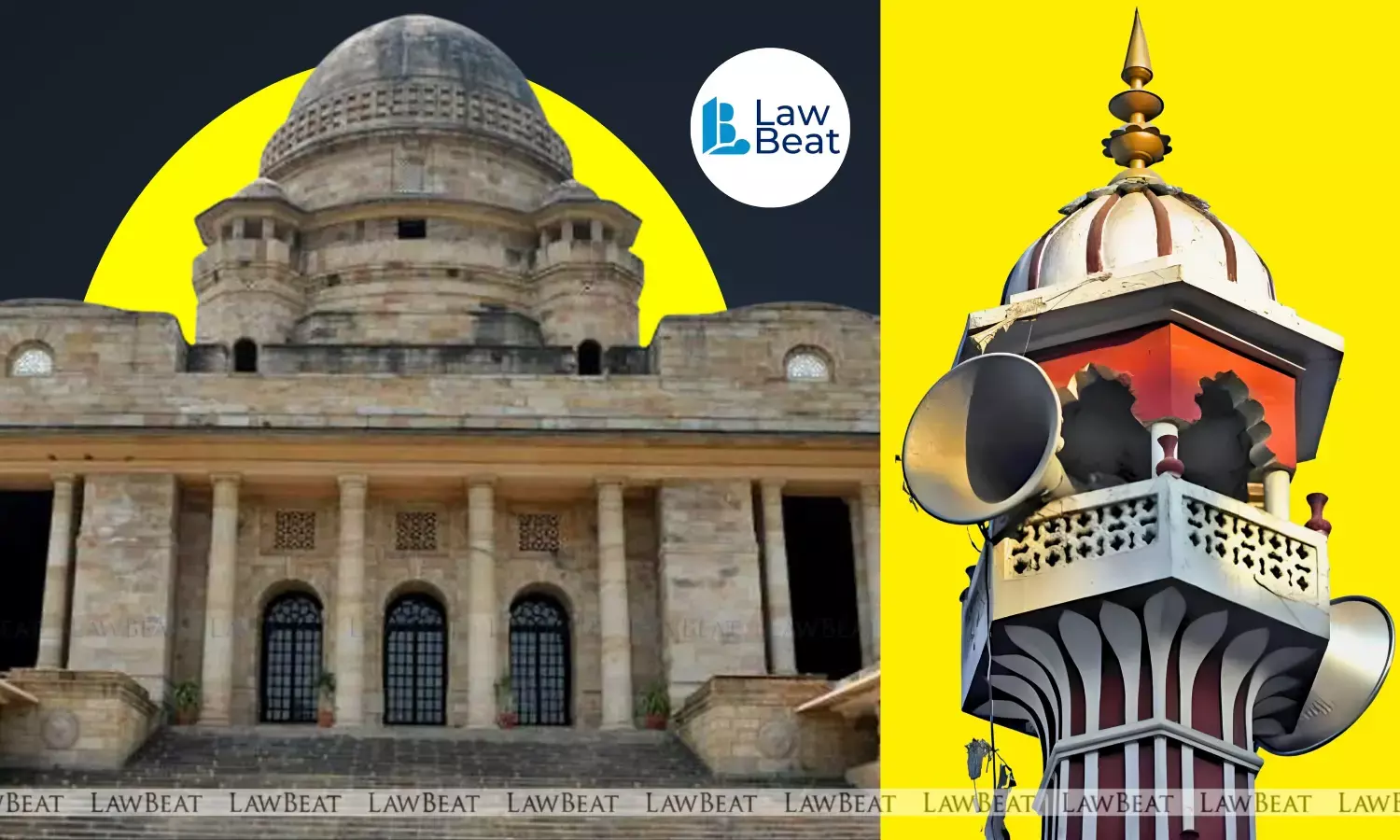
Bombay HC underscores that Article 21 prevails over any asserted right to amplify sound in religious spaces
The Nagpur Bench of the Bombay High Court has delivered a significant ruling rejecting a mosque’s plea to restore the use of loudspeakers, holding that no religious institution can claim the use of loudspeakers as a matter of right and that such devices are not an essential or integral part of any religious practice.
The Court emphasised that the right to practice religion does not extend to disturbing the peace, privacy or safety of others and reiterated that freedom of religion cannot override the right to live in dignity and quiet guaranteed under Article 21 of the Constitution.
A Division bench of Justice Anil L. Pansare and Justice Raj D. Wakode, while dismissing the petition took suo motu cognisance of the widespread noise pollution in Nagpur and directed the Registry to register a separate Public Interest Litigation for further monitoring and enforcement.
The petition was filed by Masjid A. Gousiya, Gondia, which had sought a direction to the authorities to restore the use of loudspeakers in the mosque.
The Bench recorded that the petitioner’s counsel was unable to produce any religious text, legal instrument, or authoritative material to show that the use of loudspeakers is mandated or indispensable for the exercise of religious rights.
Reliance was placed extensively on the Top Court's decision in God (Full Gospel) in India v. K.K.R. Majestic Colony Welfare Association (2000), which addressed whether religious groups can claim a right to add to noise pollution on grounds of religious practice; It was clarified that no religion prescribes prayers in a manner that disturbs others and that using drums, microphones or loudspeakers to the detriment of neighbours cannot be justified.
The bench reproduced these principles to affirm that religious freedoms cannot extend to activities causing disturbance to children, elderly persons, the sick, students and any individual entitled to quiet within their home.
The Court then turned to the landmark ruling In Re: Noise Pollution - Implementation of Laws (2005), where the Supreme Court elaborated the connection between noise pollution and Article 21. In the said case, the Top Court had held that the right to life includes the right to live in peace, comfort, and quiet, and that nobody can claim a fundamental right to create noise or force unwilling persons to listen.
The Bench thus relied heavily on the principle that Article 19(1)(a) cannot be invoked to defeat the right to life and peaceful living under Article 21, reiterating that nobody can commit an “aural aggression” by using amplified sound that trespasses into others’ personal spaces.
The court also made detailed observations on the growing menace of noise pollution in Nagpur, calling it a recurring and unaddressed problem despite statutory provisions. The Bench highlighted severe health impacts of noise pollution, noting scientific findings that excessive noise triggers the “fight or flight” response, releases harmful stress chemicals, and contributes to cardiovascular disease, aggression, mental illness, hypertension, chronic fatigue, and even ear damage at higher decibel levels.
Specific areas in Nagpur were pointed out, especially the Civil Lines locality, where marriage halls, clubs, and religious places routinely violate noise regulations by using high-decibel systems and continuing activities beyond 10 p.m.
The Court was particularly critical of lax enforcement by authorities; While the State Government had issued an order on July 21, 2025 to strengthen noise control measures, the Court observed that enforcement remains complaint-driven, which is inadequate. It questioned why the police, with extensive patrolling networks, fail to take suo motu action despite clear powers under Rule 8 of the Noise Pollution Rules and Section 15 of the Environment Protection Act.
The Bench expressly noted that such violations were occurring even within the jurisdiction of senior police officials residences.
The Court also remarked that Supreme Court guidelines issued as far back as 2005 remain unimplemented and urged the State to introduce mandatory consequences for failure to enforce noise regulations.
Case Title: Masjid A. Gousiya v. State of Maharashtra & Ors.
Date of Judgment: 1.12.2025
Bench: Justices Anil L. Pansare and Raj D. Wakode