
Cabinet Clears Tougher Paper Leak Law Amid NEET-UG Row, Bill To Be Tabled Next Week
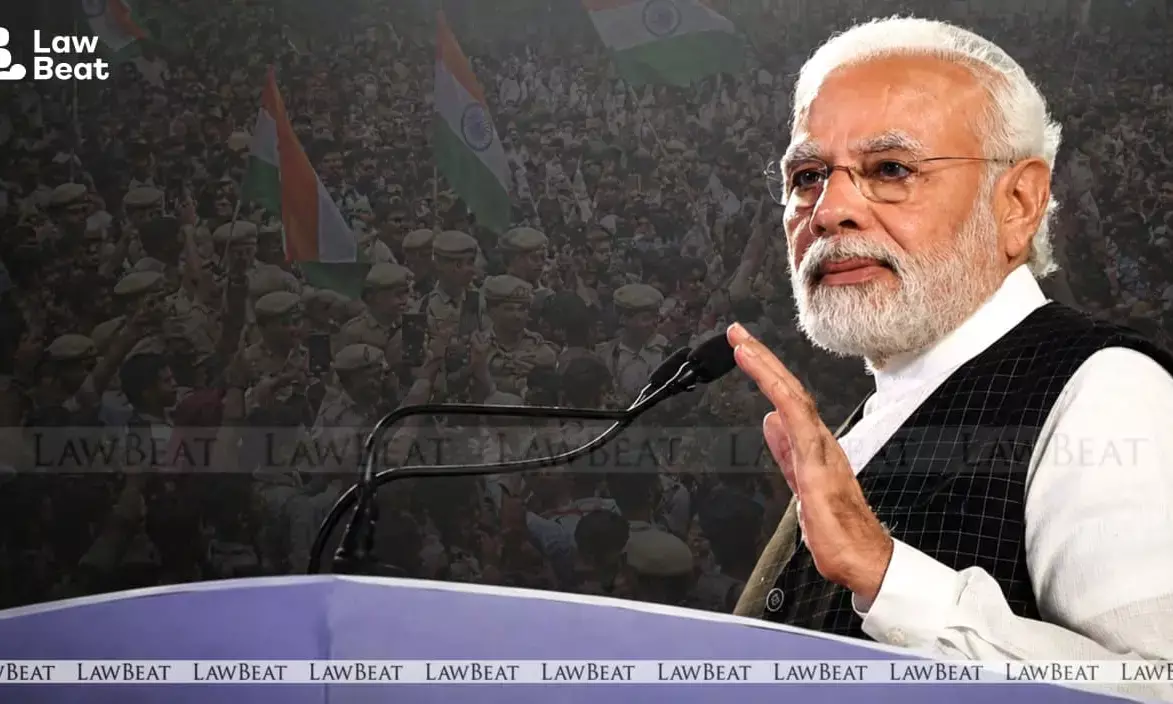
Government Moves to Toughen Paper Leak Law, Cabinet Approves Bill for Stricter Punishment
The Union Cabinet on Friday approved a new bill proposing significantly stricter punishment for those involved in examination paper leaks, according to government sources. The proposed legislation is expected to be tabled in Parliament next week, marking the government's latest attempt to tighten the legal framework around examination fraud.
The decision was taken at a Cabinet meeting chaired by Prime Minister Narendra Modi at the Parliament House complex. According to sources, the draft bill seeks to hand out harsher penalties to those found guilty of leaking question papers than what current law allows.
Under the proposed new amendments, offenders could face imprisonment of up to ten years along with a fine of up to Rs 10 crore. The minimum jail term for such offences has also been proposed to be raised from three years to five years. The changes are aimed at strengthening the Public Examinations (Prevention of Unfair Means) Act, 2024, which currently prescribes three to ten years of imprisonment depending on the offence, and a minimum fine of Rs 1 crore for organised examination fraud.
The move follows a day after the Prime Minister said the Cabinet would consider stronger legal measures to curb paper leaks, asserting that protecting students' futures remained a government priority. The proposed law is also expected to introduce faster prosecution through dedicated fast-track courts.
The Cabinet's decision comes against the backdrop of continuing political tension over the alleged NEET-UG paper leak, an issue that has repeatedly disrupted Parliament and drawn sharp criticism from the Opposition, which has demanded accountability and a full discussion on examination irregularities.
Opposition parties have separately demanded Pradhan's resignation over the alleged NEET-UG lapses and sought a full Parliament discussion on the issue, even as the Centre maintains it is committed to strengthening oversight. The Centre had earlier told the Supreme Court it would "go ten extra miles" on the NEET leak concerns, with the Apex Court now monitoring the government's steps.
The 2024 Act was itself a response to the NEET-UG and UGC-NET paper leak controversies, and was India's first dedicated central law targeting organised examination fraud. It classifies such offences as cognizable, non-bailable and non-compoundable, and lists fifteen offences, including leaking question papers, tampering with OMR sheets, running fake websites and issuing fake admit cards. It also lets authorities prescribe security norms such as biometric registration and stricter invigilation.
Even with this law in place, fresh allegations of irregularities in the NEET-UG examination have triggered nationwide student protests, keeping the paper leak issue firmly in the political spotlight. Before the 2024 Act came into force, India had no dedicated central legislation dealing specifically with unfair means and organised offences in public examinations.
With the bill expected in Parliament next week, the government appears keen to signal a tougher stance on examination fraud even as scrutiny over the existing law's implementation grows. The timing of the Cabinet's approval, days after the Prime Minister's public assurance, underlines the efforts of the government acting on the paper leak row.
Inputs from Economic Times