
Can a Third Party File a Cheque Bounce Case? Allahabad High Court Says No
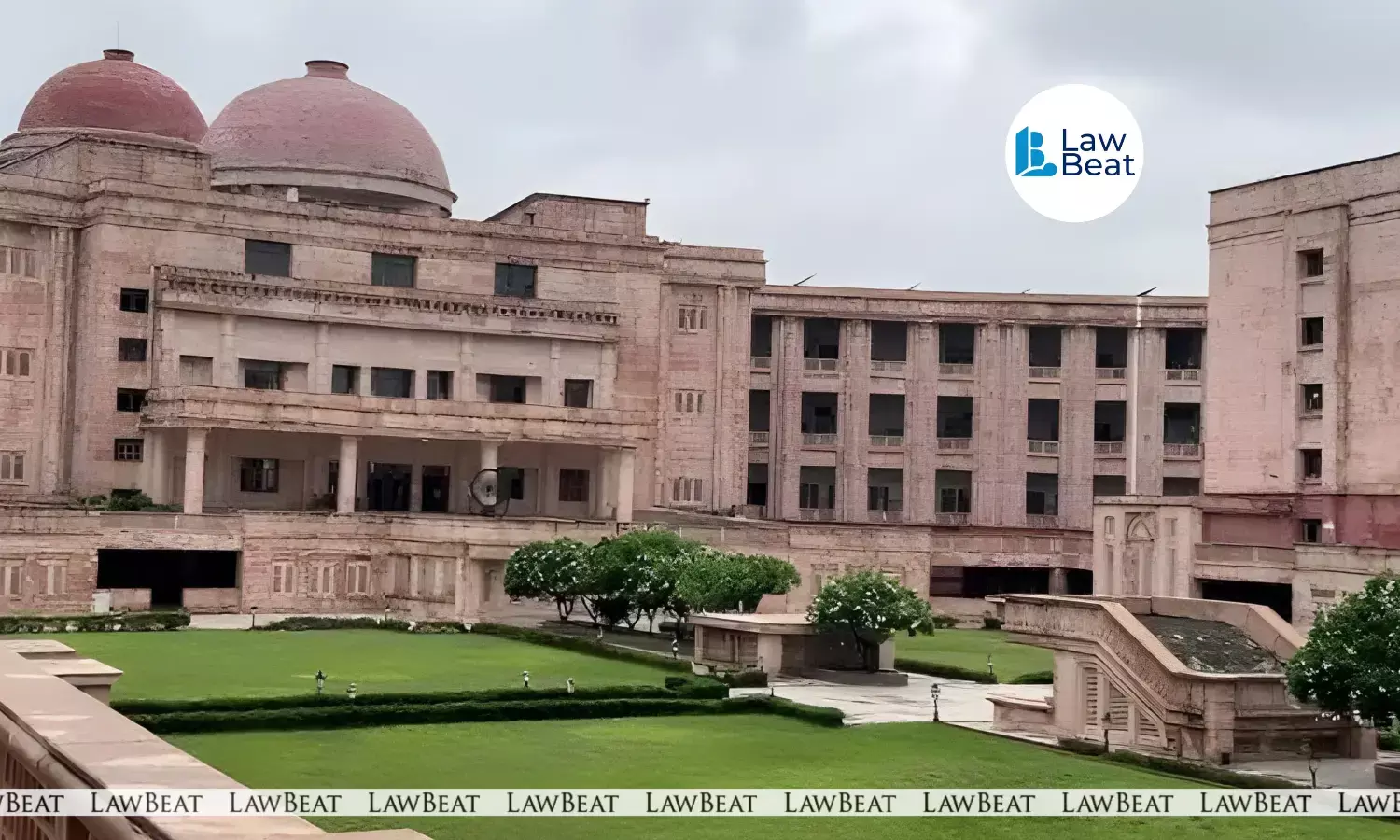
Allahabad High Court quashes cheque bounce case filed by unauthorized third party
Stating that a complaint under Section 138 of the Negotiable Instruments Act cannot be maintained by a third party and must be instituted only by the payee or the holder in due course of the cheque, the Allahabad High Court recently quashed criminal proceedings against a hotel company director.
The bench of Justice Samit Gopal allowed a criminal revision filed by Rajesh Kukreja and set aside an order of the trial court summoning him in a cheque dishonour case, holding that the complainant had no locus to institute the proceedings under the Negotiable Instruments Act.
A complaint was filed in August 2012 by M/s Krishna Hotels and Developers through its partner Saroj Dubey, alleging dishonour of 11 cheques of Rs 2 lakh each, dated April 15, 2012. The cheques had been issued by Mangalam Restaurant and Hotels Pvt. Ltd., of which Kukreja was a director, and were drawn on Bank of India, Karol Bagh Branch, New Delhi.
Significantly, the cheques were drawn in favour of “Hotel Paradise”. At the initial stage, the magistrate dealing with the complaint noted this discrepancy and observed that while the cheques stood in the name of Hotel Paradise, the complaint had been filed by M/s Krishna Hotels and Developers. Court had directed the complainant to clarify the issue of locus, noting that the complaint ought to have been filed by Hotel Paradise or its authorised representative.
Despite this, the Metropolitan Magistrate later proceeded to summon Kukreja under Section 138 of the Negotiable Instruments Act, observing that Hotel Paradise was a unit of M/s Krishna Hotels and Developers. This summoning order was challenged before the high court.
Before the high court, Kukreja contended that the entire prosecution was vitiated as the complaint had not been filed by the payee of the cheques or by any holder in due course, as required under Section 142 of the Act. It was argued that merely claiming a business relationship or indirect interest in the transaction could not confer locus to prosecute a cheque dishonour case.
The complainant, on the other hand, argued that Saroj Dubey had a legitimate business interest in Hotel Paradise and relied on a recent Supreme Court judgment to submit that any dispute regarding authorisation or locus could be examined during trial and need not result in quashing of the proceedings at the threshold.
Rejecting this contention, the high court examined the statutory scheme of the Negotiable Instruments Act, particularly Sections 7, 9 and 142, which define the concepts of “payee”, “holder in due course” and the conditions for taking cognizance of an offence under Section 138.
Court held that the offence of cheque dishonour is a creature of statute and the conditions for its prosecution must be strictly complied with. It observed that Section 142 clearly mandates that a complaint can be made only by the payee or the holder in due course of the cheque.
While an authorised representative, power of attorney holder or signatory may institute proceedings on behalf of a payee or holder, the complaint must still be in the name of the payee or the holder in due course, the court clarified. A third party or stranger with no legal title to the cheque cannot maintain a complaint in its own name, even if indirectly affected by the transaction.
Court also distinguished the Supreme Court judgment relied upon by the complainant, noting that in that case the complaint had been filed in the name of the payee entity itself through an authorised person, which was not the situation in the present case.
Holding that the trial court had failed to consider the issue of locus despite flagging it at an earlier stage, the high court quashed the summoning order dated July 26, 2013, and allowed the criminal revision filed by Kukreja.
Case Title: Rajesh Kukreja vs. State of U.P. and Anr.
Judgment Date: January 28, 2026
Bench: Justice Samit Gopal