
Can a Waqf Managing Committee Remove Its Own Members? Karnataka High Court Answers
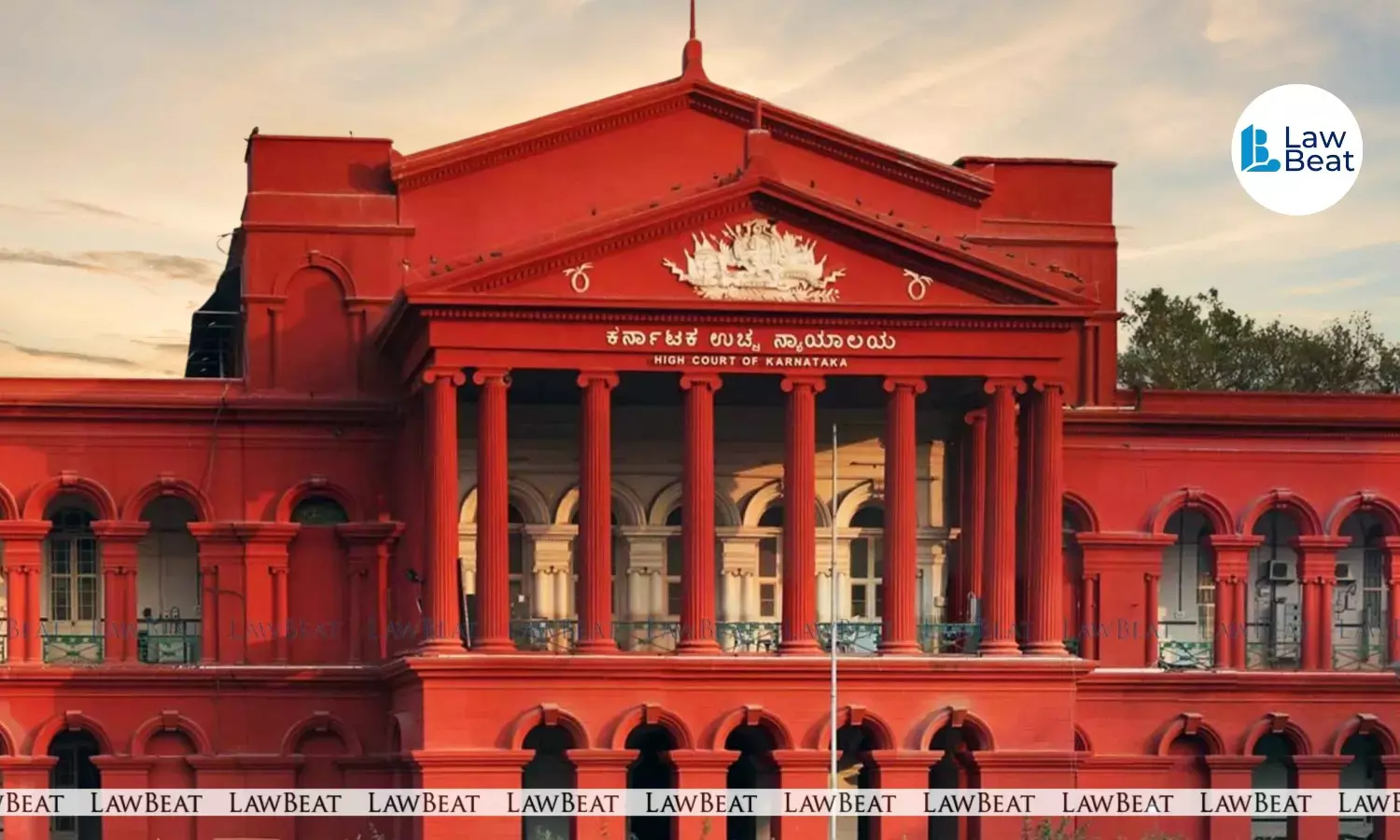
Karnataka High Court clarifies only Waqf Board can remove members
The Karnataka High Court has held that a managing committee of a waqf institution has no authority to remove its own members, ruling that such power vests exclusively with the Karnataka State Board of Waqf under the Waqf Act, 1995.
Justice Suraj Govindaraj passed the order while allowing a writ petition filed by Abdul Sattar and Mohammad Mustafa, who had challenged their removal from the Managing Committee of Badariya Jumma Masjid at Krishnapura, Surathkal, in Dakshina Kannada district.
The petitioners had questioned the validity of the proceedings of special meetings held on October 11 and October 13, 2024, through which the mosque’s managing committee removed them and appointed certain other persons in their place. They contended that the action was taken without authority of law and in complete violation of the statutory scheme governing waqf institutions.
Appearing for the petitioners, senior counsel K.N. Phanendra argued that under Section 32(2)(g) of the Waqf Act, the power to appoint or remove a mutawalli lies solely with the Waqf Board. He submitted that the term “mutawalli” under the Act is wide enough to include members of a managing committee and that their removal can only be carried out by following the procedure prescribed under Section 64 of the Act read with Rule 58 of the Karnataka Waqf Rules, 2017.
It was further argued that Section 64 lays down specific grounds on which a mutawalli may be removed, such as conviction for offences involving moral turpitude, misappropriation of waqf property, neglect of duties, or breach of trust. Importantly, the provision also mandates an inquiry and adherence to procedural safeguards before any such removal can take place. According to the petitioners, none of these statutory requirements were followed in their case.
Opposing the petition, counsel appearing for the mosque’s managing committee submitted that serious allegations had been made against the petitioners, including that they had abetted the suicide of the committee’s president. It was contended that in light of the gravity of these allegations, the managing committee was compelled to take immediate action in the interest of the institution. Representations placed on record were relied upon to justify the committee’s decision.
After hearing all sides, court framed the central issue for consideration as whether a managing committee of a waqf institution has the power to remove one of its members.
Answering the question in the negative, Justice Govindaraj noted that a plain reading of Section 32(2)(g) of the Waqf Act makes it clear that the power to appoint and remove mutawallis is vested in the Waqf Board alone.
Court observed that Section 64 comprehensively enumerates the grounds and procedure for removal, while Rule 58 of the Karnataka Waqf Rules prescribes the manner in which notices are to be issued and inquiries conducted by the Board.
Significantly, the court pointed out that neither Section 64 nor Rule 58 makes any reference to a managing committee exercising removal powers. When these provisions are read together, the court held, it becomes evident that a managing committee has no independent authority to remove a member appointed by the Waqf Board.
In view of this legal position, court quashed the proceedings of the special meeting dated October 11, 2024, insofar as they related to the removal of the petitioners, as well as the proceedings of October 13, 2024, to the extent they concerned the appointment of new members in their place.
Court clarified that, as a consequence of the quashing of these proceedings, the petitioners would continue to be members of the managing committee. At the same time, liberty was reserved to the Waqf Board to initiate proceedings in accordance with law, should it consider such action necessary in the circumstances of the case.
Case Title: Abdul Sattar & Another and Karnataka State Board of Waqf and Others
Bench: Justice Suraj Govindaraj