
Can A Widow Lose Her Share In Husband’s Land If She Later Lives With Another Man? MP High Court Answers
Widow Who Inherited Husband’s Estate Cannot Lose It Over Later Conduct, Says Madhya Pradesh High Court
The Madhya Pradesh High Court has held that a Hindu widow who inherited her husband’s estate while she was not unchaste cannot lose it because of her conduct afterwards, upholding her one-third share in family agricultural land.
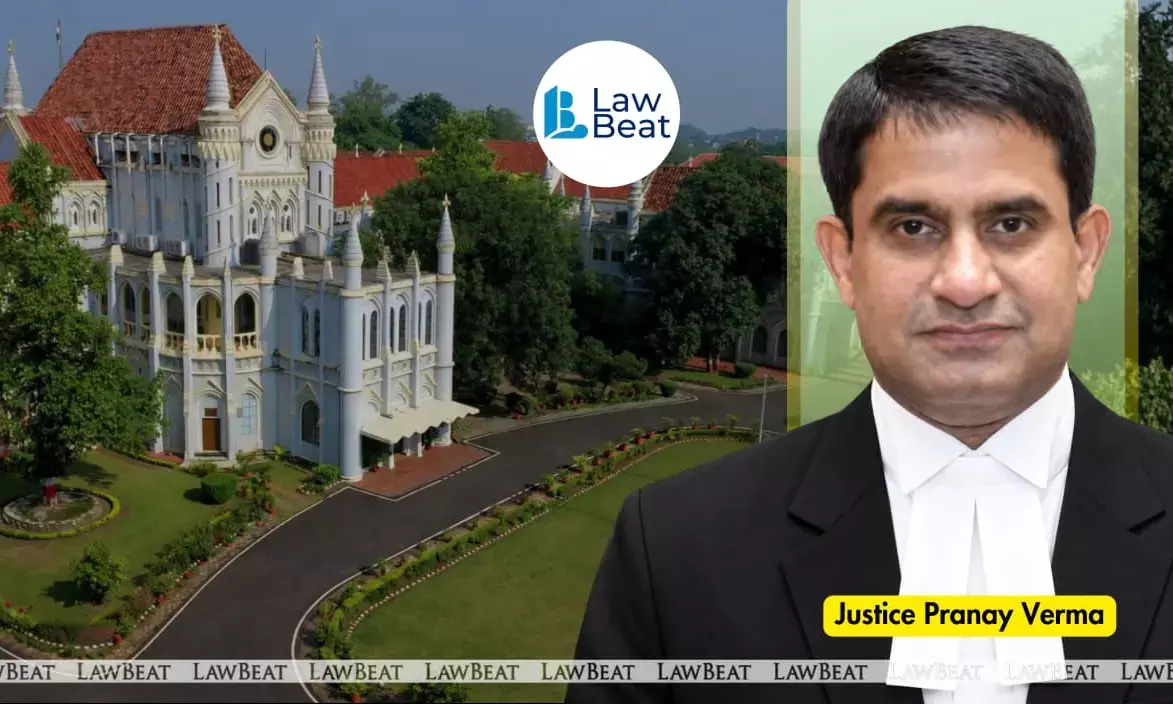
Justice Pranay Verma made the ruling while dismissing Second Appeal No. 2 of 1994, filed by Sahaba @ Sahab and others against Smt. Savitri and others. The appeal, pending since 1994, was reserved on 1 July 2026 and decided on 2 November 2026.
The dispute concerned land originally held by Sadhuwa, who had four sons: Gopaliya, Lalli, Saheba and Ramshel. The plaintiff was first married to Gopaliya, who died issueless in 1950. As per caste customs, she then lived as the wife of Lalli, with whom she had a daughter. After Lalli’s death, she began living with Saheba.
According to the plaintiff, she inherited a one-third share in the suit land after Lalli’s death and was recorded alongside the other co-owners in the revenue records. She alleged that the defendants got the land partitioned among themselves and excluded her.
The defendants argued that she had become Saheba’s wife by custom and therefore had no right to any share except through him. The trial court and the first appellate court rejected this, holding that Saheba was already married and had never dissolved that marriage by customary divorce. She therefore “continued to be the widow of Lalli,” they held, and was entitled to a one-third share since only Saheba and Ramshel were left.
Second Marriage Held “Not a Legal Marriage”
The High Court agreed. Going by the defendants’ own witnesses, Justice Verma noted that Saheba’s other wife, Kamli, was alive when the plaintiff allegedly began living with him as his wife. “There is no plea or proof by the defendants that Saheba had divorced Kamli according to caste customs,” the Court observed. A bare statement that Kamli had left Saheba, it added, was not enough.
Even under Hindu law as it stood before the Hindu Succession Act, 1956, the Court said, Saheba “had no right to have a second wife.” It held that the alleged marriage “would hence not be a legal marriage, as a result of which she would continue to be the widow of Lalli.”
The second question of law, framed when the appeal was admitted on 22 December 2009, was whether the suit could be decreed when the plaintiff herself had said she became unchaste.
The Court said the timing mattered. “At the time when Lalli had expired, the plaintiff was not living with Saheba, meaning thereby that she was not unchaste at the time of his death,” it observed. The defendants themselves had said she started residing with Saheba a few years after Lalli died.
Relying on paragraph 96 of Mulla’s Hindu Law, 25th Edition, the Court explained that a widow who is unchaste at the time of her husband’s death is not entitled to inherit his estate. But once the estate has vested in her, which can happen only if she was chaste at that time, “it cannot be divested by her subsequent unchastity.”
Since the plaintiff inherited Lalli’s estate, the Court said, she held it as a limited estate at first, but on the coming into force of the Hindu Succession Act, 1956, she “became the absolute owner thereof” and was entitled to claim her share in the suit land.
Justice Verma held that the courts below had examined the entire oral evidence and applied the correct legal principles. “No illegality or perversity has been committed by them in doing so,” the Court said, answering both substantial questions of law against the appellants and in favour of the plaintiff.
“Consequently, the appeal fails and is hereby dismissed. No costs,” the Court concluded.
Advocate Ranno Rajak appeared for the appellants, while none appeared for the respondents.
Case Title: Sahaba @ Sahab and Others vs. Smt. Savitri and Others
Judgment Date: 2 November 2026
Bench: Justice Pranay Verma