
Can Government Firms Ban Companies Without Notice? Delhi High Court Says No
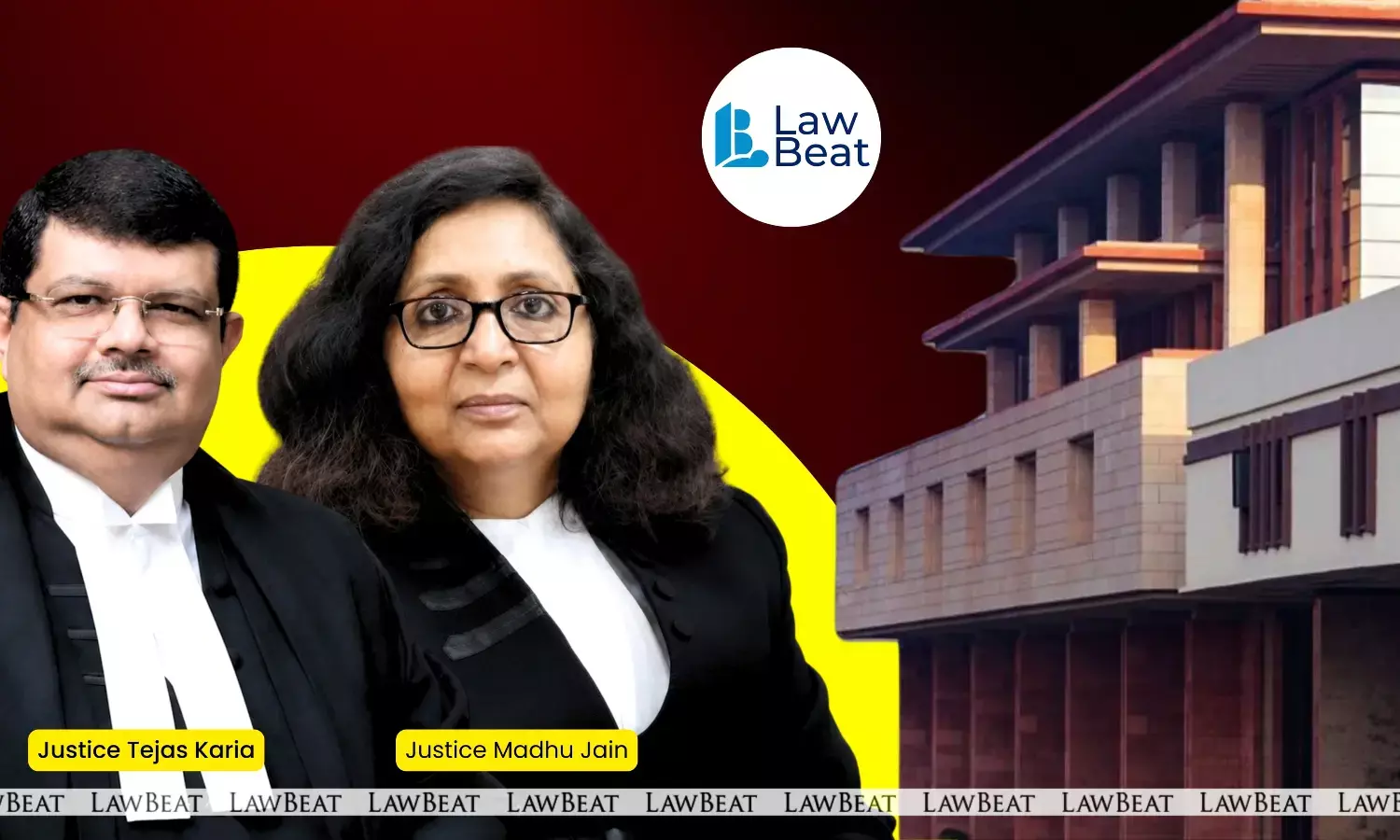
The Delhi High Court held that government companies cannot suspend businesses from participating in future tenders without giving them an opportunity to be heard
In a judgment with implications for businesses participating in government tenders, the Delhi High Court has held that even when a company defaults on its contractual obligations, it cannot be suspended from future tenders without being given an opportunity to be heard.
A Division Bench of Justice Tejas Karia and Justice Madhu Jain partly allowed a petition filed by Grew Energy Private Limited, a solar module manufacturer, against NTPC Renewable Energy Limited (NREL), setting aside the company's six-month suspension from NTPC's tenders and related entities. However, the Court upheld NTPC's decision to treat the company as being in default for failing to execute the contract and furnish the Contract Performance Guarantee (CPG).
The Dispute
The dispute arose out of a tender floated by NTPC Renewable Energy Limited for the supply of solar photovoltaic modules for 1,000 MW solar projects in Uttar Pradesh. Grew Energy was awarded the contracts in December 2025 but did not execute the formal agreement or furnish the required performance guarantee.
Grew Energy contended that global supply chain disruptions and the West Asian conflict had severely affected raw material prices and logistics. The company claimed these circumstances constituted a force majeure event and sought additional time to fulfil its obligations.
NTPC, on the other hand, argued that the company had repeatedly failed to execute the agreement and had eventually admitted that adverse market conditions made it commercially unviable to perform the contract at the prices quoted earlier.
Court Rejects Force Majeure Defence
The High Court rejected the company's reliance on force majeure.
The Bench observed that Grew Energy had already defaulted on its obligations before the Government's force majeure memorandum was issued and that the difficulties cited by the company essentially amounted to commercial hardship arising from market conditions.
"The difficulty projected was, in substance, commercial hardship arising from market conditions, which does not absolve the Petitioner of its obligations," the Court held.
Suspension order Quashed
The Court, however, found fault with NTPC's decision to suspend the company from future tenders for six months without issuing any show cause notice or granting it an opportunity of hearing.
The suspension order barred Grew Energy from participating in future tenders floated by NTPC, its subsidiaries and joint ventures, and also exposed it to rejection of bids in pending tender processes. The Court held that such consequences were serious enough to attract the principles of natural justice.
The Bench observed that suspension and debarment effectively operate in the same manner and therefore cannot be imposed unilaterally. "The Suspension Order, therefore, entails serious civil and commercial consequences," the Court noted while holding that the order "was issued in violation of the principles of natural justice and cannot be sustained."
Why the Judgment Matters
For businesses dealing with government entities, the judgment underscores an important principle: public sector undertakings cannot simply label an order as "suspension" and bypass procedural safeguards.
At the same time, the Court made it clear that companies cannot escape contractual commitments merely because market conditions have become unfavourable. Commercial losses, price escalation or supply-chain difficulties do not automatically amount to force majeure.
The High Court also declined to interfere with NTPC's retendering process, though it clarified that no action against Grew Energy could be sustained on the basis of NTPC's risk-purchase clause. All questions relating to damages and other contractual claims were left open to be agitated in appropriate proceedings.
Case Title: Grew Energy Private Limited v. NTPC Renewable Energy Limited
Bench: Justices Tejas Karia and Madhu Jain
Judgment Date: June 22, 2026