
Can In-Laws Seek to Void a Marriage? Allahabad High Court Says No, Even If Bride Was Allegedly Underage
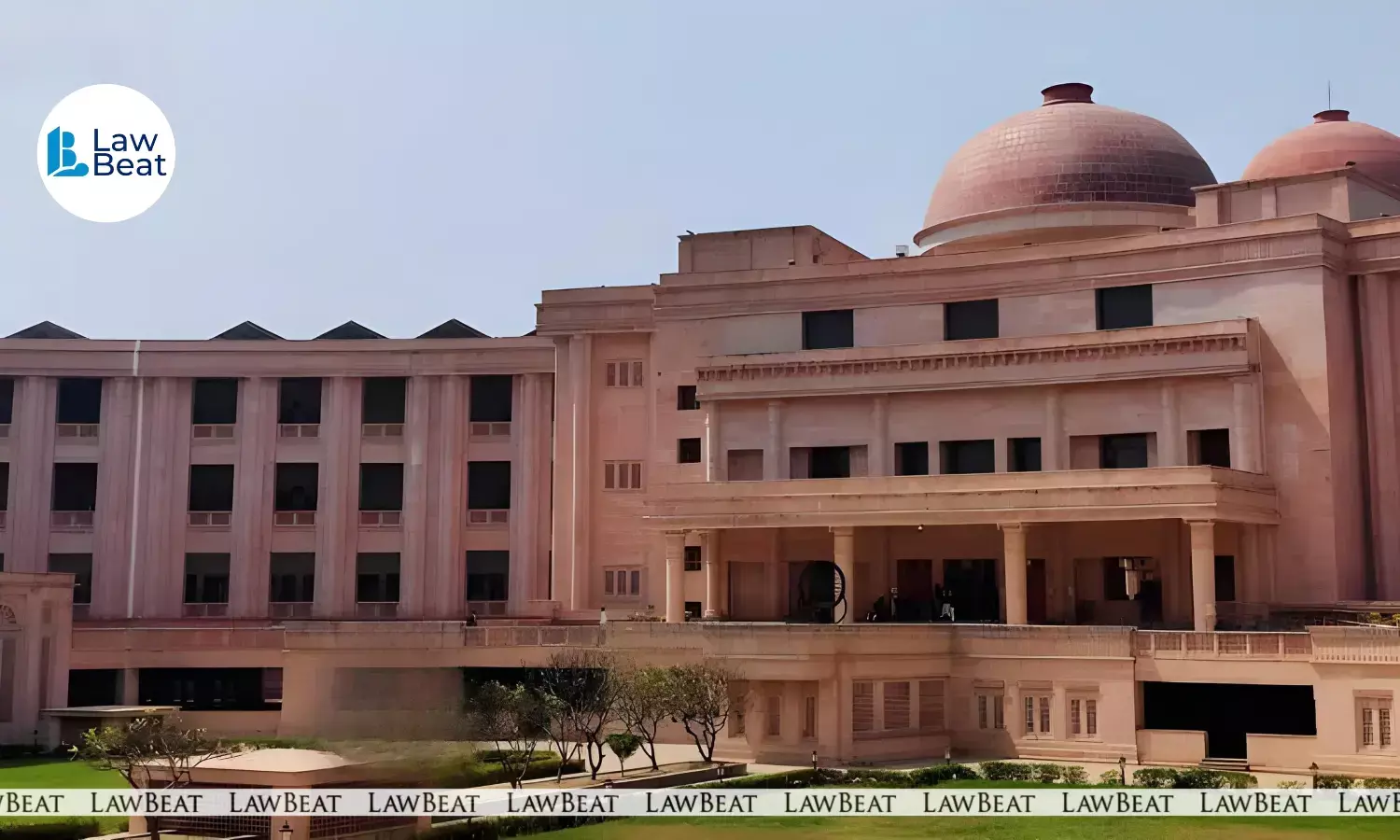
Allahabad High Court says that a woman's in-laws cannot challenge the validity of a marriage after their son's death
The Allahabad High Court has held that a marriage cannot be declared void at the instance of in-laws, even on the ground that the bride was allegedly underage at the time of solemnisation, and that only a spouse to the marriage has the locus to seek annulment under the Hindu Marriage Act.
Rejecting the plea raised by the parents of a deceased army personnel, the court said the contention was legally untenable and could not be entertained at the appellate stage.
A division bench of Justices Arindam Sinha and Satya Veer Singh dismissed a first appeal filed by the soldier’s parents challenging a family court judgment that had declared Sadhna Devi to be the legally wedded wife and widow of their son, who was killed in an encounter with terrorists on January 14, 2008.
The parents had questioned the finding of marriage, the jurisdiction of the family court, and argued that the marriage was void as the woman was allegedly below 18 years of age when it was solemnised on May 12, 2007.
The High Court, however, noted that contravention of the age requirement under Section 5(iii) of the Hindu Marriage Act does not render a marriage void under Section 11, which deliberately omits age as a ground for void marriages. The bench further held that the cause of action to seek nullity is available only to a spouse, and not to third parties such as parents or in-laws.
Court also rejected the plea on procedural grounds, observing that no such case of underage marriage was pleaded in the written statement before the family court, no issue was framed, and no application was moved during trial despite the appellants claiming that age-related documents emerged in evidence. Raising the issue for the first time in appeal, the bench held, could not be permitted.
On the merits of the dispute, the High Court traced the long-standing controversy surrounding the soldier’s marital status. The respondent had claimed that her marriage with the deceased was solemnised at her parental home in Azamgarh, Uttar Pradesh, in May 2007. The appellants, residents of Mehsana in Gujarat, maintained that only an engagement took place on that date and that the marriage was fixed for April 24, 2008.
The bench noted that the mother of the deceased had earlier approached the Gujarat High Court in 2009, where she had admitted that her son married the respondent on May 12, 2007, though she claimed the marriage was never consummated. That petition was summarily rejected. The respondent later received posthumous honours, including a gallantry award, as the widow of the deceased at an investiture ceremony held at Rashtrapati Bhawan in April 2009.
Subsequent proceedings before the Gujarat High Court, arising from disputes over service benefits, were also noted by the bench, which observed that those orders could not override a civil adjudication on marital status following a full trial.
Upholding the family court’s findings, the High Court pointed out that the trial court had conducted an exhaustive examination of evidence. This included marriage invitation cards produced by the respondent, one of which bore the handwriting of the deceased’s father, oral testimony of witnesses who stated that the marriage ceremony took place on May 12, 2007, and documentary evidence showing that the deceased’s father had taken leave from his employment to attend the ceremony.
The bench rejected the appellants’ reliance on the absence of a ‘vidai’ ceremony, holding that post-marriage rituals could not be conflated with the factum of solemnisation. It also noted that there was no credible evidence to support the claim that the marriage was scheduled for a later date and that the alleged future date appeared to be an afterthought.
On the issue of jurisdiction, the court held that the family court was competent to entertain the suit under the Family Courts Act, 1984, as it squarely concerned a declaration of marital status.
Finding no perversity or legal infirmity in the family court’s judgment dated April 28, 2025, the High Court dismissed the appeal and confirmed the declaration recognising the respondent as the legally wedded wife and widow of the deceased soldier.
Case Title: Rajdhari And Another vs. Sadhna Devi
Judgment Date: November 28, 2025
Bench: Justices Arindam Sinha and Satya Veer Singh