
CBI Opposes Arvind Kejriwal’s Plea Seeking Judge’s Recusal in Excise Policy Case
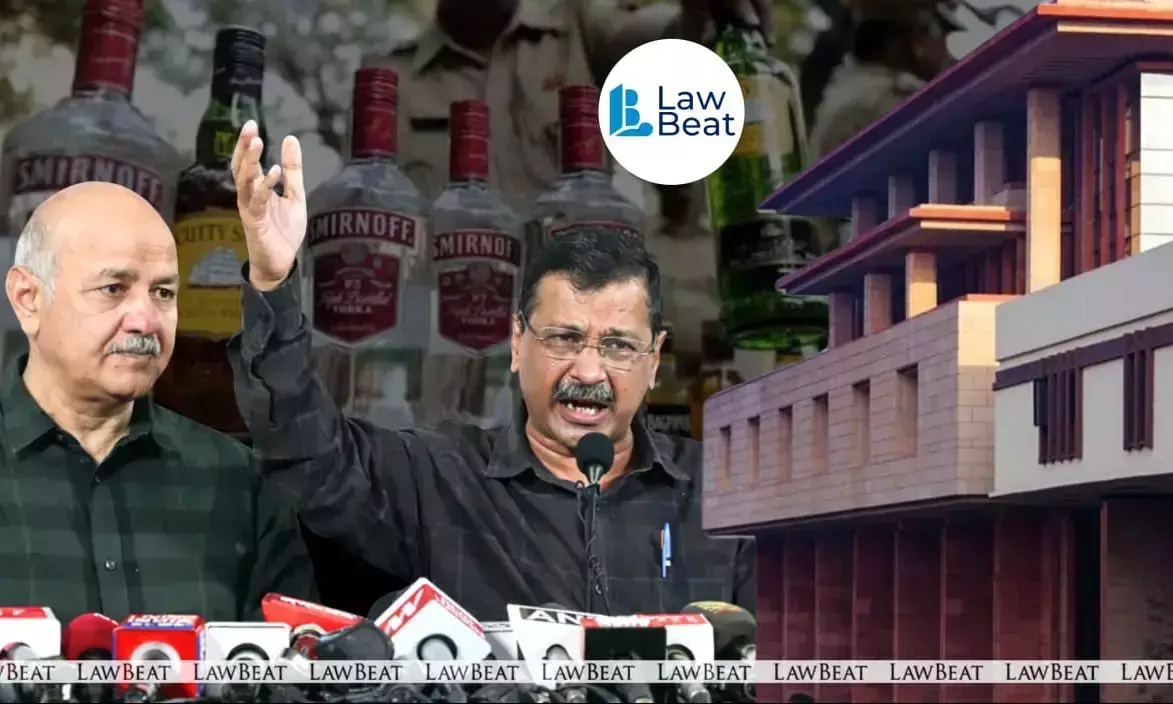
CBI opposes recusal plea by Arvind Kejriwal, Manish Sisodia and others in Delhi excise policy case before Delhi High Court
The Central Bureau of Investigation has opposed before the Delhi High Court a plea filed by Arvind Kejriwal, Manish Sisodia and four others seeking the recusal of Justice Swarana Kanta Sharma from hearing its appeal in the Delhi excise policy case.
In a detailed 39 page affidavit, the CBI strongly contested the allegations made by the petitioners, who had claimed a likelihood of bias on the part of the judge due to her alleged ideological association with the Akhil Bharatiya Adhivakta Parishad. The plea had pointed out that Justice Sharma had attended events organised by the body.
Rejecting this contention, the agency argued that mere participation in legal seminars cannot be construed as evidence of ideological bias, especially when such events are not political in nature.
It stated that such claims are speculative and lack any substantive basis.
The affidavit described the allegations as “unscrupulous and sweeping,” asserting that they amounted to an attempt to scandalise the court and interfere with the administration of justice. It further stated that raising such grounds could attract proceedings for contempt of court.
According to the CBI, any apprehension regarding bias must be reasonable and founded on tangible material, rather than conjectures or assumptions. It cautioned that accepting recusal pleas on such grounds would seriously undermine judicial independence and open the door to misuse of the process.
The agency also warned against the broader implications of such arguments, stating that if attending events organised by a legal body were to be treated as a ground for recusal, it could lead to an untenable situation where a large number of judges would be required to step aside in cases involving politically exposed persons.
The affidavit also highlighted that the same Bench had passed both favourable and unfavourable orders in the matter, including granting relief to certain accused such as Arun Ramachandran Pillai. This, the agency argued, clearly demonstrated the absence of any bias. It further accused the applicants of selectively relying on adverse observations while suppressing favourable orders.
The plea for recusal arises in the backdrop of proceedings related to the Delhi excise policy case, where a trial court on February 27 discharged Kejriwal, Sisodia and several others, holding that the material on record did not disclose a prima facie case.
Challenging this decision, the CBI approached the High Court, contending that the trial court had ignored crucial evidence gathered during the investigation.
Subsequently, on March 9, the High Court stayed certain adverse observations made by the trial court against the investigating officer, noting that such remarks were prima facie misconceived at the stage of framing of charges. The Court had also indicated that proceedings in the related money laundering case be deferred pending the outcome of the CBI’s appeal.
Following these developments, Kejriwal and others moved an application before Chief Justice Devendra Kumar Upadhyaya seeking transfer of the case to another Bench. However, the request was rejected on March 13.
Thereafter, the present application seeking Justice Sharma’s recusal was filed, alleging a “grave and reasonable apprehension” of lack of impartiality.
The petitioners also pointed to certain directions passed by the Court, claiming they were issued without specific prayers.
Responding to this, the CBI maintained that judicial orders or observations cannot form the basis of alleging bias. It argued that accepting such reasoning would enable litigants to engage in forum shopping by seeking recusal of judges based on perceived unfavourable views.
The High Court is now set to consider the recusal plea and the CBI’s objections on April 13, a hearing that is likely to have significant implications for the ongoing proceedings in the high profile excise policy case.
The matter is scheduled to be heard on April 13.
Case Title: Central Bureau of Investigation v. Arvind Kejriwal & Ors.
With Inputs From: HT