
Centre Plans Evening Courts In Delhi, Bihar And Andhra Pradesh; Retired Judges May Preside
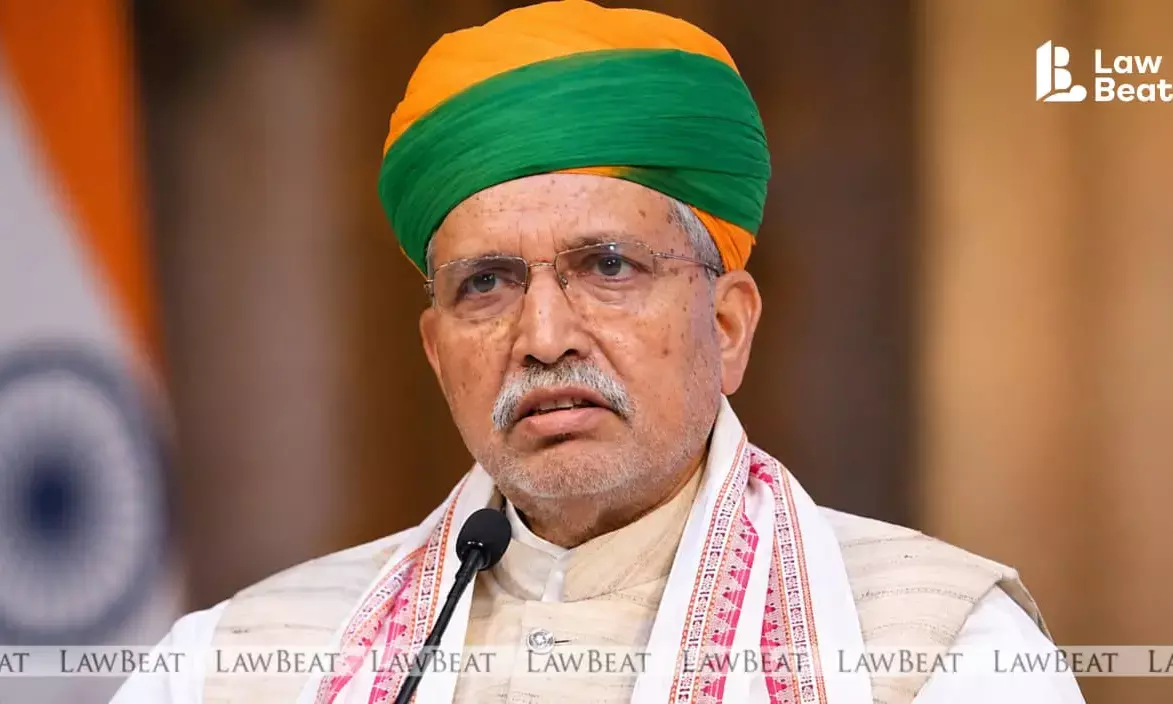
Centre plans evening courts to expedite pending cases.
The Centre is planning to introduce evening courts on a pilot basis in Delhi, Bihar and Andhra Pradesh to expedite the disposal of pending cases, with retired judges expected to be engaged to preside over the additional court proceedings.
Union Minister of State (Independent Charge) for Law and Justice Arjun Ram Meghwal informed about the proposed initiative in an interview with The New Indian Express published on November 10.
Under this major initiative, courts currently functioning during regular daytime hours will extend their sittings by a few additional hours in the evening to hear pending matters and accelerate their disposal.
The initiative will be undertaken in collaboration with the respective high courts, Meghwal said.
The announcement comes amid continuing concerns over the mounting pendency of cases across Indian courts and the need to improve the pace of judicial proceedings.
Focus On Alternative Dispute Resolution
Apart from extending court working hours, the Union Government is also looking at alternative mechanisms to reduce the burden on the judiciary.
Meghwal said the government is focusing on the disposal of cases through Lok Adalats and promoting Alternative Dispute Resolution (ADR) mechanisms.
ADR involves the intervention of an impartial third party to facilitate communication and negotiations between disputing parties and help them arrive at a mutually acceptable settlement without undergoing prolonged litigation.
The Minister also highlighted that the government is also focusing on pre-mediation, which can help resolve disputes before they develop into prolonged legal proceedings.
Uniform Civil Code (UCC)
In the interview, the minister also addressed the issue of the Uniform Civil Code (UCC). Meghwal said that the UCC should be implemented across the country, and our government is committed to this objective.
Meghwal said the UCC was envisaged by the Constitution-makers and finds its basis in Article 44 of the Constitution. He noted that the Supreme Court had also emphasised the need for a common civil code on several occasions, adding that while some states had taken steps towards its implementation, there was no constitutional justification for limiting the exercise to only a handful of states.
New Criminal Laws And Technology
In the interview, Meghwal also spoke about the implementation of the three new criminal laws and their impact on the justice delivery system.
He said that the initial indications are encouraging.
The Minister said that new criminal laws are helping improve justice delivery and facilitate timely disposal of cases without adding an unnecessary burden on courts.
He further said that the government had developed five electronic platforms under the new criminal laws, initially launched on a pilot basis in Chandigarh, Gujarat and Delhi.
These platforms facilitate the electronic transmission of court orders and judgments to prison authorities, enabling them to access judicial directions promptly and take necessary action.