
CIC Directs Fresh RTI Reply On Petrol, Ethanol Blending Data; Oil Ministry Arm Told To Share Historical Data
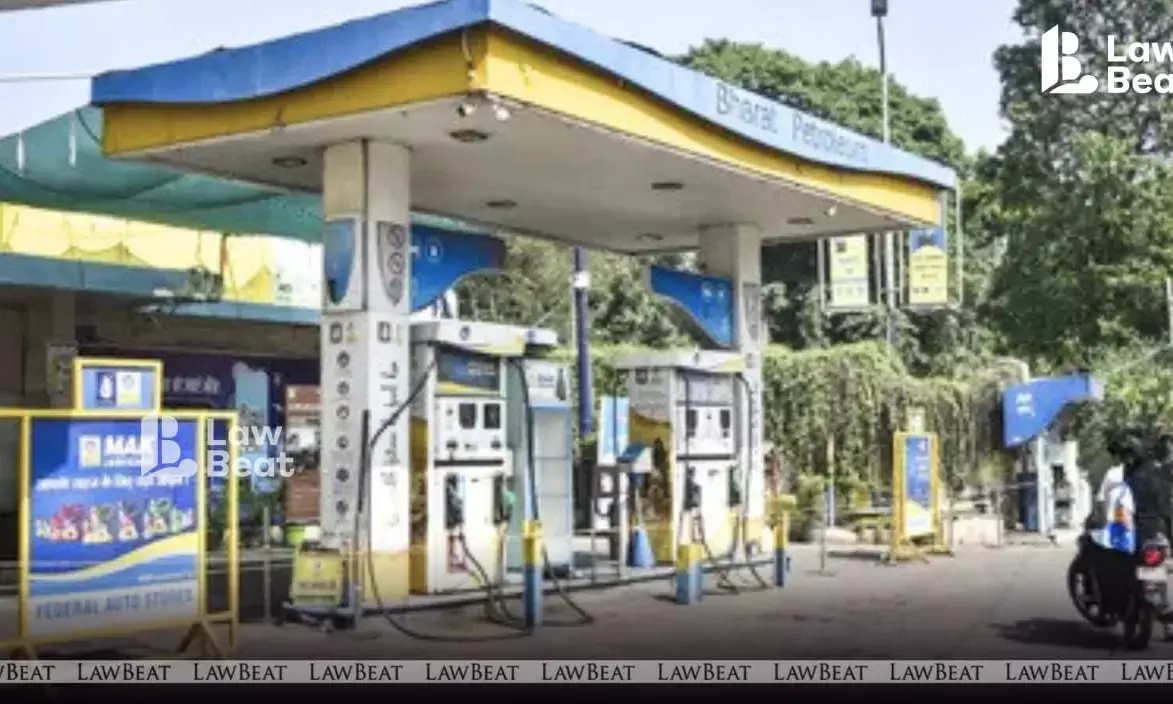
CIC directs PPAC to issue a revised RTI reply on petrol and ethanol data.
The Central Information Commission (CIC) has directed the Petroleum Planning & Analysis Cell (PPAC), an arm of the Union Ministry of Petroleum & Natural Gas, to issue a revised reply to an RTI applicant seeking detailed information on petrol production, imports, expenditure and ethanol blending, after observing that only a partial response had been furnished.
Information Commissioner Khushwant Singh Sethi passed the order while disposing of a second appeal filed by Raviranjan Dubey against the PPAC, an attached office under the Ministry of Petroleum and Natural Gas (MoPNG).
What information was sought?
Through an RTI application filed on August 31, 2025, the appellant sought extensive year-wise information from 2014-15 onwards on the petroleum sector.
Among other things, he sought:
-the total quantity of petrol (motor spirit) purchased, imported or produced in India every year, along with the total annual expenditure on petrol;
-the norms, guidelines and statutory or administrative orders prescribing the percentage of ethanol to be blended with petrol, together with copies of official notifications and policy documents;
Also Read| Supreme Court Orders Status Quo On Ethanol-Petrol Blending; Centre Says It's An Experiment
the total quantity of ethanol purchased for blending and the quantity actually blended each year, along with reasons for any difference;
-a year-wise list of ethanol suppliers to oil marketing companies, including the quantity supplied, their share in total supply and copies of contracts or purchase orders;
-a similar year-wise list of petrol suppliers along with supply agreements; and
-annual profits earned from petrol sales, including the methodology and supporting calculations for computing profit margins. The applicant also requested the information in Excel/CSV format wherever possible.
PPAC's Reply
In response, the PPAC informed the applicant that much of the information regarding petroleum imports, exports, production, and taxes was already available on its website.
With respect to ethanol blending, it stated that the National Policy on Biofuels, 2018, governs the applicable norms and that the policy was available on the Ministry's website.
It further stated that its monthly "Snapshot of India's Oil & Gas" report includes information on ethanol received and blended by public-sector oil marketing companies.
However, the authority stated that it did not have information regarding the list of ethanol suppliers to oil marketing companies.
Regrading company-wise details of crude oil and petroleum products production, imports and exports, PPAC declined disclosure by invoking Section 8(1)(d) and 8(1)(e) of the RTI Act, 2005, stating that such information was commercial and confidential in nature.
The First Appellate Authority substantially upheld the CPIO's reply, observing that information relating to queries 1, 3 and 6 could be downloaded from the PPAC website, information regarding query 2 was available on the Ministry's website, the PPAC had no information regarding ethanol suppliers, and company-wise petroleum information was exempt from disclosure.
Appellant's grievance before CIC
Before the Commission, the appellant submitted that although the respondent had repeatedly stated that the information was available on its website, he could not find the sought information on the website. He requested that a soft copy of the information be sent to his e-mail ID.
The respondent, in turn, submitted that information sought under Query No. 1 for the period 2023-24 was available on its website and that historical data could also be provided.
It further stated that the information sought under Query No. 2 was not maintained by the PPAC but by the Ministry of Petroleum and Natural Gas, and that the relevant notifications and orders were available in the public domain, for which the website link could be provided.
What did the CIC say?
After considering the submissions and examining the record, the Commission observed: "The Commission, after adverting to the facts and circumstances of the case, hearing both the parties and perusal of the records, observes that the respondent has provided partial information to the appellant, vide letter dated 03.09.2025".
Accordingly, it directed the respondent to issue a revised reply incorporating specific directions for each disputed query.
For Queries 1, 3, and 6, the Commission directed the PPAC to send a soft copy of the information sought, including historical data, as available on the website, to the appellant's e-mail ID.
For Query 2, regarding ethanol blending norms and policy documents, the respondent was directed to provide the specific website link, as stated during the hearing.
For Query 4, relating to the list of ethanol suppliers, the Commission directed the PPAC to transfer the query to the concerned CPIO of the public authority, which is the custodian of the information, rather than merely stating that the information was unavailable.
For Query 5, concerning company-wise petrol suppliers, the Commission permitted the respondent to maintain its stand by claiming the relevant exemption under the RTI Act, 2005.
Crucially, the CIC noted that the then-incumbent CPIO had failed to include the details of the First Appellate Authority in the original reply, thereby violating an October 2015 Office Memorandum issued by the Department of Personnel and Training (DoPT). The Commission directed the officer to submit a detailed written explanation for this lapse within 15 days.
The PPAC has been directed to furnish the revised RTI reply to the appellant within 15 days from receipt of the Commission's order, under intimation to the CIC, following which the appeal stood disposed of.
Case Title: Raviranjan Dubey v CPIO : The Petroleum Planning & Analysis Cell (PPAC), RTI Cell