
Consensual Relationship Cannot Automatically Become Rape Case Over Delayed Marriage: Jharkhand HC
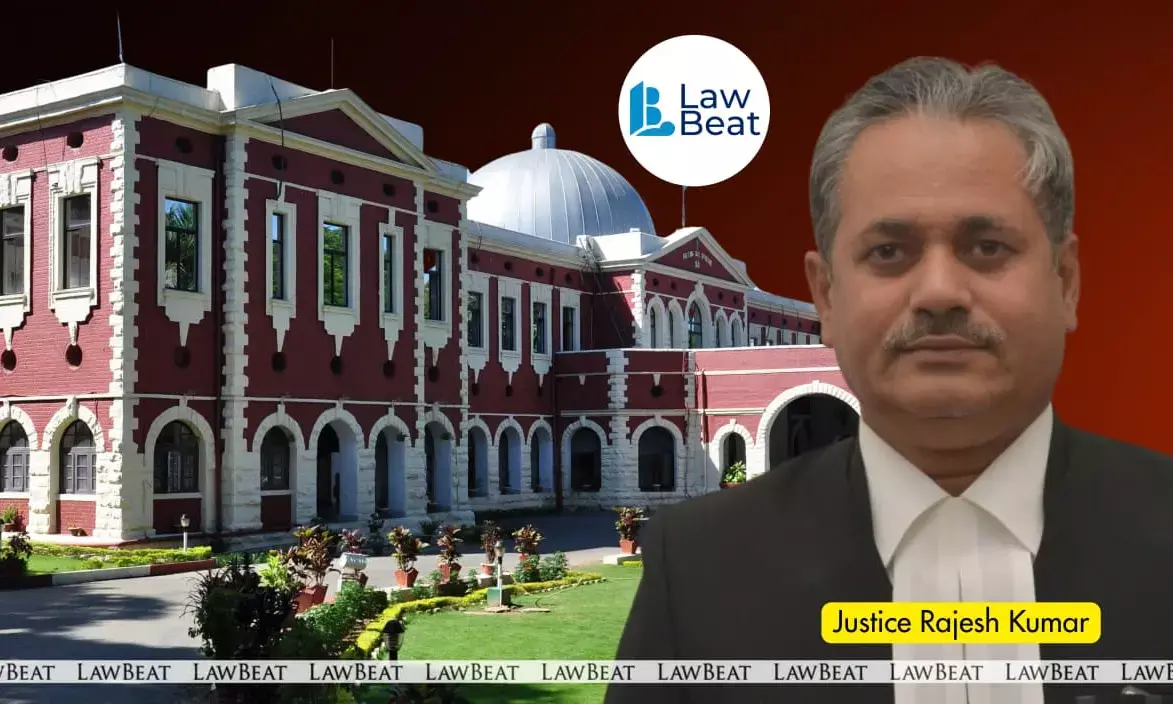
Jharkhand HC Sets Aside Rape Conviction, Says Evidence Shows Consensual Relationship
A consensual relationship between two adults cannot be treated as rape merely because the parties did not marry immediately, the Jharkhand High Court has held while setting aside the conviction of a man who had been sentenced to seven years' imprisonment for rape on the allegation that he established physical relations with the prosecutrix on a false promise of marriage.
Justice Rajesh Kumar allowed the criminal appeal filed by Aalim Ansari against the judgment of the Additional Sessions Judge-I, Rajmahal, which had convicted him under Section 376 of the Indian Penal Code and sentenced him to rigorous imprisonment for seven years along with a fine of Rs.20,000.
The prosecution case was based on a complaint lodged by the woman in January 2012. She alleged that the appellant had maintained physical relations with her for nearly eight months on the assurance that he would marry her. According to her complaint, when she became pregnant and repeatedly asked him to solemnise the marriage, he delayed the matter and ultimately refused, prompting her to approach the police. An FIR was thereafter registered under Sections 376, 493 and 506 IPC. Following investigation, a chargesheet was filed and the trial court framed charges under Section 376 IPC alone.
During the trial, the prosecution examined seven witnesses, including members of a village panchayat, the prosecutrix, the investigating officer and the doctor who had medically examined the woman. Several witnesses stated that a panchayat had been convened after the woman became pregnant and that the appellant had initially agreed to marry her but later declined.
However, the High Court noted that the evidence emerging during cross-examination painted a significantly different picture. The prosecutrix admitted that she had been in a love relationship with the appellant and that they had subsequently married. She further stated before the court that she was happy in her relationship with him and that the couple had two children together. She also acknowledged that the criminal case had been filed before their marriage was solemnised. The father of the prosecutrix and another prosecution witness also admitted that the parties were husband and wife.
Appearing for the appellant, Advocates Gautam Kumar, Ashutosh Kumar Sinha and Pushpanjali Kumari argued that the relationship between the parties was consensual throughout and that the case had been instituted only because there was a delay in solemnising the marriage after the woman conceived. They submitted that both parties were majors, understood the consequences of their relationship and eventually got married, making the conviction legally unsustainable.
The State, represented by Additional Public Prosecutor Sardhu Mahto, supported the conviction passed by the trial court and opposed the appeal.
After examining the evidence, the High Court found that the facts did not establish the offence of rape. The Court observed that the parties were adults and that the relationship was consensual. It further noted that the prosecutrix's own testimony weakened the allegation that her consent had been obtained by deception.
The Court observed, "Merely having a sexual relationship and the bald statement that on the false pretext of marriage, the consent has been obtained, is not enough to convict the appellant," adding that "even this factual matrix has been negated by the victim in her deposition."
Holding that the prosecution had failed to prove the ingredients necessary for sustaining a conviction under Section 376 IPC, the High Court quashed both the judgment of conviction and the order of sentence passed by the trial court.
Accordingly, the criminal appeal was allowed, the conviction was set aside and, since the appellant was already on bail during the pendency of the appeal, he was discharged from the liabilities of his bail bonds. The High Court also directed that the trial court records be returned to the court concerned forthwith.
Case Title: Aalim Ansari v. The State of Jharkhand
Date of Order: June 23, 2026
Bench: Justice Rajesh Kumar