
‘Context Matters, Not Just Religious Texts’: Allahabad High Court Pulls Up Counsel for Citing Ramcharitmanas
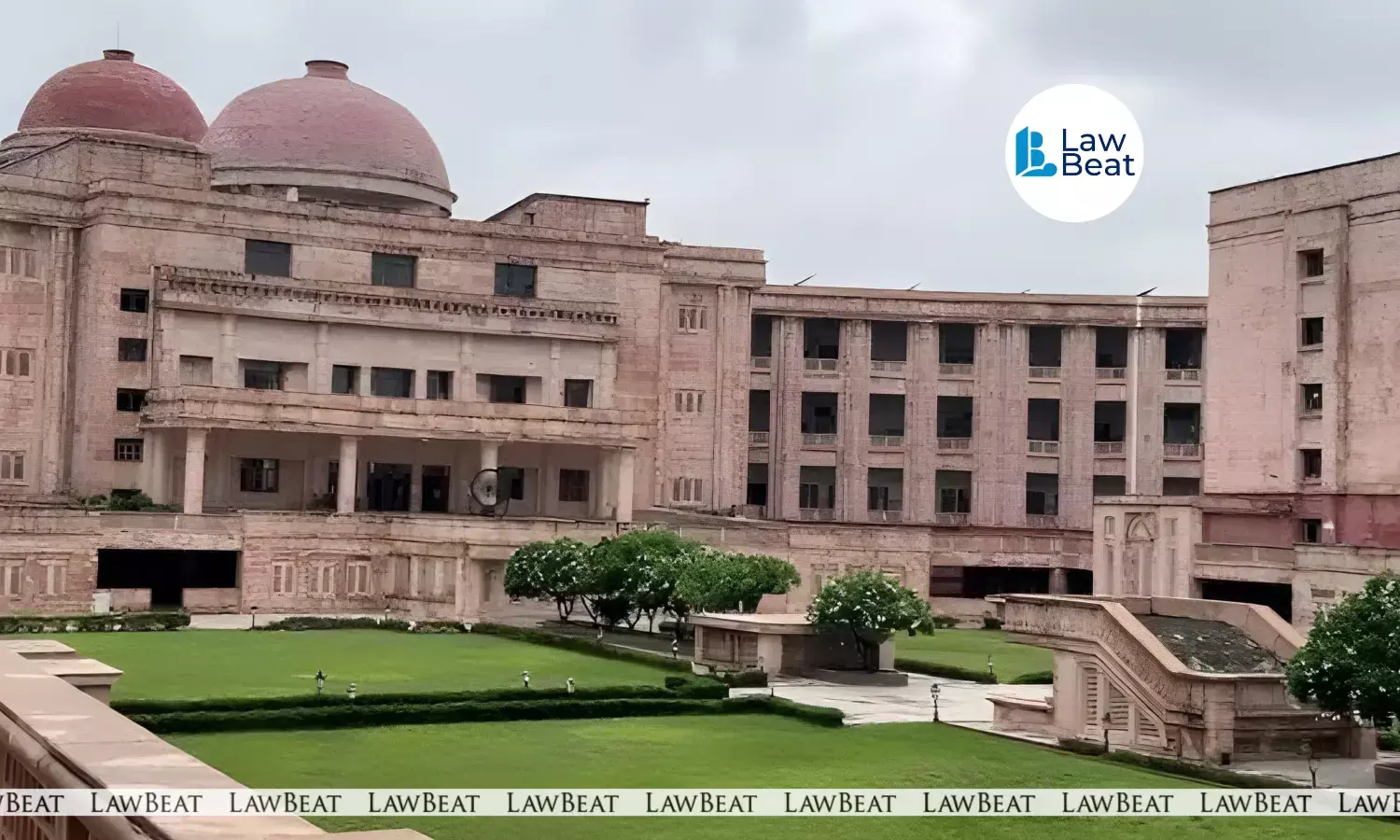
Allahabad High Court rejects using Ramcharitmanas verse to justify three-year petition delay
The Allahabad High Court has strongly disapproved of a counsel’s attempt to rely on a verse from the Ramcharitmanas to justify a nearly three-year delay in filing a writ petition, observing that literary and religious texts cannot be cited in court without understanding their context or relevance to the case.
While hearing a challenge to an order of the Uttar Pradesh State Information Commission, Justice Subhash Vidyarthi questioned the petitioner’s counsel on his reliance on the chaupai “समरथ कहुँ नहीं दोष गोसाईं, रबि पावक सुरसरि की नाईं” to argue that strict principles should not bind the court’s discretion under Article 226.
When asked to explain who said the verse, to whom, and in what context, the counsel admitted he was unaware.
Court then explained that the verse was spoken by Narad Muni to Himalaya in the Ramcharitmanas in the context of describing Lord Shiva’s attributes and could not be invoked to excuse unexplained delay in legal proceedings.
Emphasising that writ jurisdiction is discretionary and guided by settled principles, court cautioned that extracting passages from religious texts without understanding their meaning is no different from selectively quoting statutes or judgments divorced from context.
The case arose from a writ petition filed by Avanindra Kumar Gupta challenging an order dated February 17, 2023, passed by the Uttar Pradesh State Information Commission, which had rejected his application seeking recall of an earlier order of August 24, 2021. By the 2021 order, the commission had dismissed Gupta’s RTI appeal after recording his statement that the information sought by him had already been provided.
At the threshold, Justice Vidyarthi noted that the writ petition had been instituted in December 2025, nearly two years and ten months after the impugned order, and that there was “absolutely no averment” in the petition explaining the delay.
When questioned on why such a belated petition should be entertained, the petitioner's counsel Advocate Shyam Sundar Dubey argued that the Limitation Act does not apply to proceedings under Article 226 of the Constitution.
In support of this submission, the counsel relied on a quotation attributed to George Bernard Shaw and cited the chaupai from the Ramcharitmanas, apparently to suggest that rigid rules should not constrain judicial discretion.
The court, however, reiterated that while the Limitation Act may not strictly apply to writ proceedings, the jurisdiction under Article 226 is extraordinary and discretionary, and is governed by well-settled principles.
One such principle, the court said, is that a litigant must approach the court with reasonable promptitude and cannot seek indulgence in the absence of any explanation for delay. In the present case, court noted, the petitioner had failed to disclose any reason whatsoever for the delay of nearly three years in approaching the high court.
The bench also examined the challenge on merits and referred to Rule 12 of the Uttar Pradesh Right to Information Rules, 2015, which governs recall of orders passed by the Information Commission. The rule permits recall only on limited procedural grounds, such as when an order is passed without hearing a party for no fault of theirs, or when the matter is decided on a date other than the one fixed for hearing. It also mandates that a recall application be filed within thirty days from the date of knowledge of the order.
In Gupta’s case, court noted that his RTI appeal had been dismissed on August 24, 2021, after his own statement was recorded that the information sought had been supplied. His subsequent plea that the information was incomplete, despite having made such a statement before the Commission, did not fall within any of the grounds prescribed under Rule 12 for recall of an order.
Finding no procedural infirmity in the Information Commission’s decision rejecting the recall application, court held that there was no illegality in the order dated February 17, 2023. Accordingly, the high court dismissed the the writ petition at the admission stage.
Case Title: Avanindra Kumar Gupta vs. U.P. Information Commission Lko. And 2 Others
Order Date: January 5, 2026
Bench: Justice Subhash Vidyarthi