
Criminal Courts to get accused's endorsement before scheduling witness examination: Kerala High Court
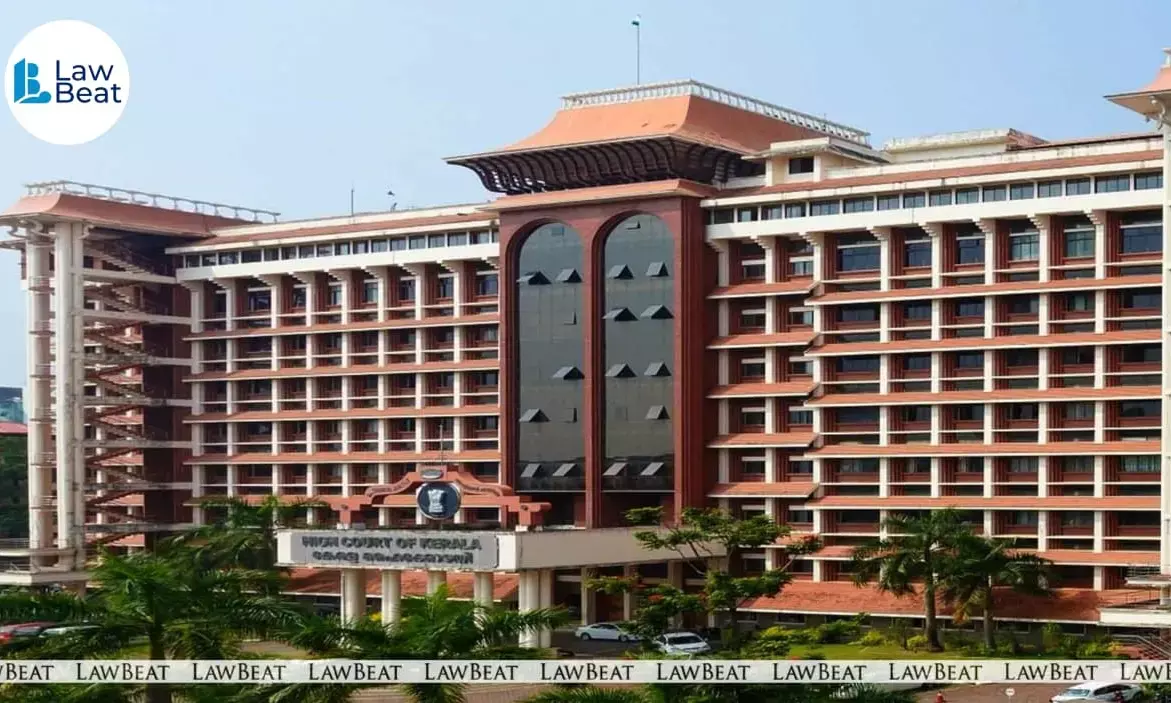
Kerala High Court noted that various unlawful activities like online advertisements offering remuneration; inducing victims for egg donation and surrogacy etc were detected.
The Kerala High Court has recently ordered Criminal Courts, before scheduling the case for examination of witnesses must get an endorsement to that effect in the proceedings sheet of the case from the accused.
"Accordingly, it is ordered that all Criminal Courts in the District Judiciary shall ensure compliance with Rule 19(4) of the C.R.P., 1982, before scheduling the case for examination of witnesses and obtain an endorsement to that effect in the proceedings sheet of the case from the accused or his counsel, as the case may be, and also record the same in the proceedings hereafter, without fail, to avoid challenge regarding non-compliance with Rule 19(4) of the C.R.P., 1982, being raised so as to stall the trial after service of summonses to the witnesses, thereby causing difficulty to the Court as well as to the witnesses, including the prosecution.", a bench of Justice A Badharudeen has said.
While the Registry is directed to communicate this direction to all the Criminal Courts in the District Judiciary through the Principal Sessions Judges and Chief Judicial Magistrates, for compliance hereafter, without fail, it has been specifically ordered that non compliance of the order would warrant contempt proceedings against the officers, once it is noticed by the High Court.
A petition was filed before the High Court by the sole accused in a on the files of the Enquiry Commissioner and Special Judge (Vigilance), Thiruvananthapuram, which arose out of Crime No.2/2009 of the Vigilance and Anti-Corruption Bureau, Thiruvananthapuram, seeking the following prayer: “To direct the Court of Enquiry Commissioner and Special Judge, Vigilance, Thiruvananthapuram to commence the trial only after complying the provisions of Rule 19(4) of Criminal Rules of Practice, 1982 by allowing this Crl MC in the interest of justice."
In dealing with the petition, the High Court had ordered that there shall be a direction to the learned Special Judge to effectuate compliance of Rule 19(4) of the C.R.P., 1982, and schedule the case at the earliest, and complete the examination of the witnesses and trial within a period of two months on the expiry of two weeks, for complying Rule 19(4) of the C.R.P., 1982, after ensuring compliance of the same, without fail, and report compliance.
In the instant case, it was discernible that the Special Judge had failed to comply with the directions issued by the High Court in Akhil Sabu’s case in the strict sense and, accordingly, he was compelled to pass an order directing compliance of Rule 19(4) of the C.R.P., 1982, only after the accused complained of non-compliance with Rule 19(4) of the C.R.P., 1982, by filing a petition on 10.11.2025.
"It is discernible that even though the trial court scheduled this case for examination of the witnesses much earlier, i.e. as per order dated 11.08.2025, the accused person did not raise any contention regarding non-compliance with Rule 19(4) of the C.R.P., 1982 till 10.11.2025. It seems that usually such challenges would be raised just before the start of examination of the witnesses and the intention is to delay the trial. Similarly, such challenge would be made before this Court also, most importantly, on the previous day or two or three days before the start of examination of the witnesses to stay the same, and by that time, summons to the witnesses already been issued and the prosecution agency turmoiled a lot to effectuate examination of the witnesses. Further, the learned Judge also would make preparation for examination of the witnesses without scheduling any other case. Once the trial is stayed or deferred, the learned Judge also becomes workless for the days covered by the schedule. In fact, if the learned Special Judge, in the instant case, had complied with the directions in the decision in Akhil Sabu’s case (supra), this scenario should not have happened. Thus, it appears that the Criminal Courts in the District Judiciary are not only to be directed to comply with the directions in Akhil Sabu’s case (supra), but also to issue another direction ensuring compliance with Rule 19(4) of the C.R.P., 1982 before scheduling a case for examination of witnesses.", the High Court noted while passing the direction.
Case Title: Mohan Abraham vs. State of Kerala