
'Criminal Law Cannot Silence Citizens for Questioning Police Action': Madras High Court Quashes Case
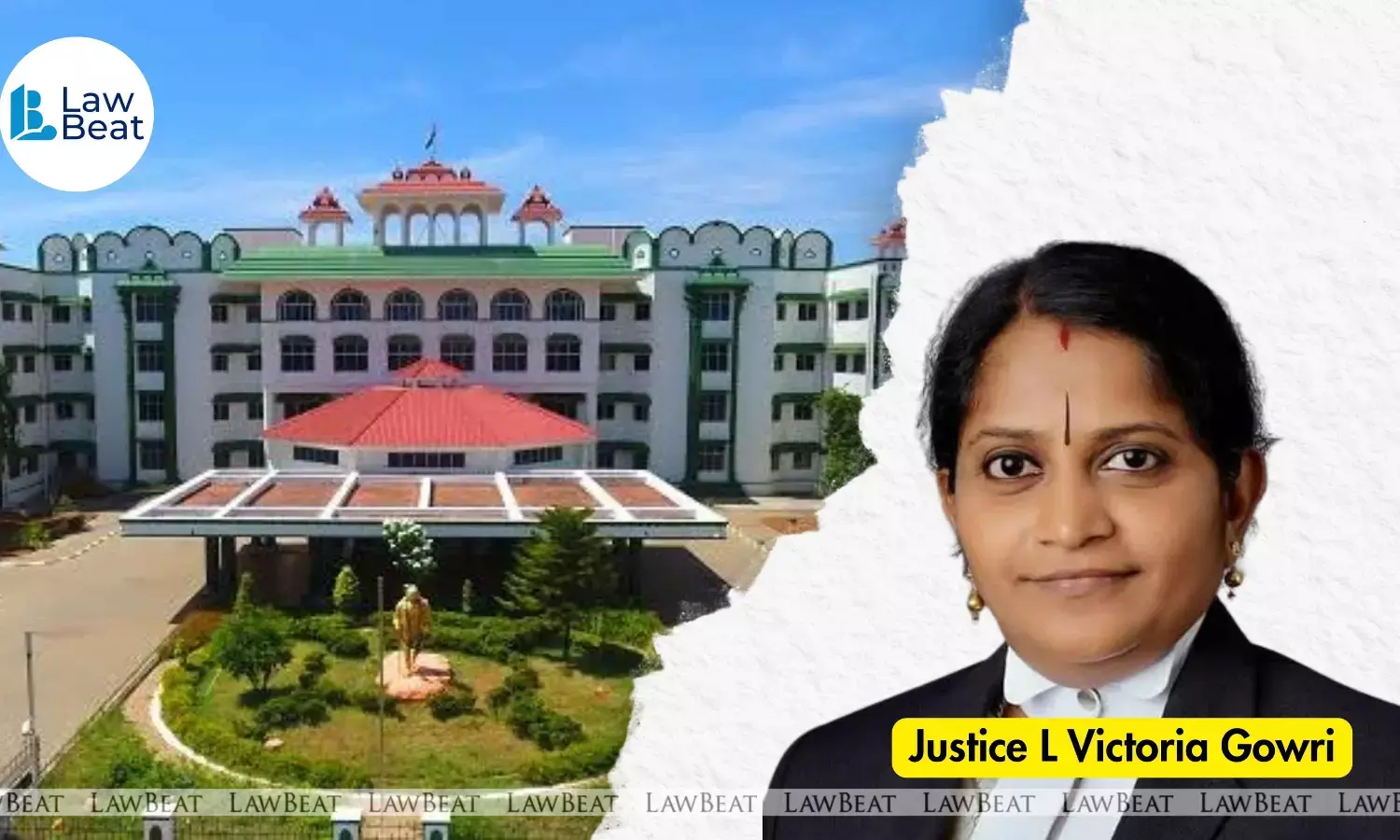
Madras High Court says questioning police action isn't criminal.
The Madras High Court has said that merely questioning the legality of police action cannot be treated as a criminal offence unless the essential ingredients of the alleged crimes are made out.
The Madras High Court on June 1, 2026 quashed criminal proceedings against two men accused of abusing, restraining, obstructing and threatening a police officer, holding that the prosecution was based on vague allegations and failed to disclose the basic ingredients of the offences invoked.
The bench of Justice L. Victoria Gowri passed the order while allowing a petition filed by Thomas @ Dhamas and Lingabalan seeking quashing of proceedings pending before the Judicial Magistrate, Paramakudi. The case was registered under Sections 294(b), 341, 353 and 506(ii) of the Indian Penal Code [corresponding to Section 296, 126 (2), 132, and 351 of the BNS, respectively].
According to the prosecution, a police officer was discharging official duties on January 1, 2023, when the accused allegedly abused him in obscene language, wrongfully restrained him, obstructed him from performing his duties and threatened him with dire consequences.
The petitioners, however, claimed that they had attended New Year Holy Mass at Infant Jesus Church in Paramakudi and were later questioned by police in connection with an alleged theft. They alleged that the first petitioner was taken from his house for inquiry without summons or notice and that the criminal case was subsequently lodged only because they questioned the manner in which the inquiry was conducted.
The high court noted that the prosecution had failed to specify the exact obscene words allegedly uttered by the accused. Justice Gowri observed that a general allegation that a person used filthy or obscene language is not sufficient to attract Section 294(b), IPC.
Court said that in cases involving obscene utterances, the actual words must be disclosed so that the court can assess whether they are legally obscene. It further noted that there was no material to show that any member of the public was annoyed by the alleged words.
Holding that "a vague allegation of abuse cannot be permitted to mature into a criminal trial", court concluded that the offence under Section 294(b) IPC was not made out.
Further, court found that there was no material showing that the complainant was physically prevented from moving in any direction, which is an essential requirement for the offence of wrongful restraint under Section 341 IPC.
Court noted that the prosecution had not disclosed where the police officer was restrained, how he was restrained, for how long he was restrained, or what specific act was committed by each accused.
Court also rejected the allegation under Section 353 IPC, which deals with assault or criminal force against a public servant.
Justice Gowri observed that merely questioning a police officer or protesting against police action cannot amount to assault or criminal force.
Court stated that there was no allegation of any specific physical act committed by either accused that could attract the offence.
"The criminal law cannot be used to silence a citizen merely because he questions the legality of police action," court observed.
While recognising that public servants performing lawful duties deserve protection from obstruction, assault and intimidation, court stressed that such offences must be supported by specific facts and evidence.
Court further held that the allegations of criminal intimidation were also unsustainable because no exact threat had been described and there was nothing to show that the complainant was genuinely alarmed.
Finding that the allegations remained "vague, omnibus and unsupported by necessary particulars" even after investigation, court said the final report appeared to have been filed mechanically without examining whether the statutory requirements of the offences were satisfied.
Holding that continuation of the criminal case would amount to abuse of process of law, court quashed the proceedings against both accused.
Case Title: Thomas @ Dhamas and Another v. State of Tamil Nadu and Another
Order Date: June 1, 2026
Bench: Justice L. Victoria Gowri