
CrPC | Magistrate Can Name Persons Responsible For Custodial Death Under S.176(1-A): MP High Court
Judicial Enquiry Naming Accused In Custodial Death Not Beyond Jurisdiction: MP High Court
A jail inmate's death after an alleged beating over a packet of tobacco has ended in the High Court of Madhya Pradesh upholding a judicial enquiry report and the FIR that followed it, rejecting arguments that a magistrate had overstepped his powers by naming officials held responsible.
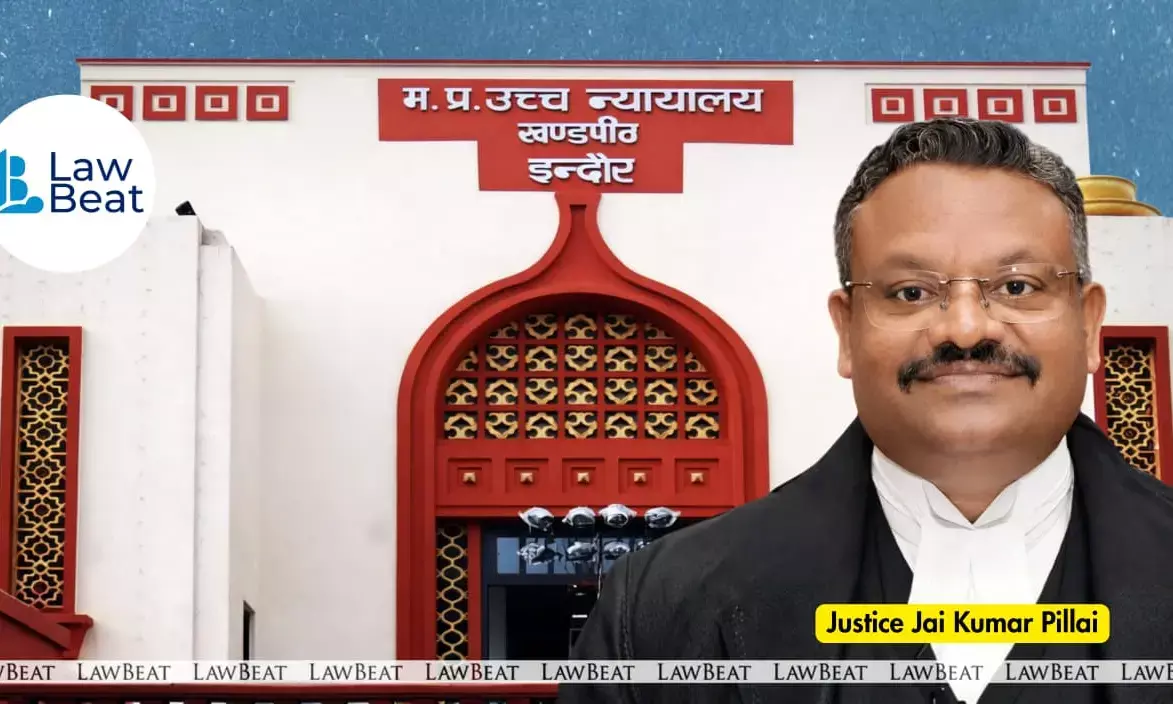
The Indore Bench, in an order authored by Justice Jai Kumar Pillai, dismissed two connected writ petitions filed by the Superintendent of the District Jail, Dhar, and by a panel of doctors who conducted the post-mortem, both seeking to quash the enquiry report dated April 3, 2023, and the FIR registered on its basis.
The case arose from the death of Bheru, an inmate serving a POCSO Act sentence, lodged at the District Jail, Dhar, for a carpentry course. On February 27, 2023, a search team recovered tobacco from another inmate, who named Bheru as the source. Bheru was summoned and, according to the enquiry, was severely beaten by the search team. He died at the District Hospital that evening.
Following the death, the Principal District and Sessions Judge directed the Judicial Magistrate First Class, Dhar, to hold an enquiry under Section 176(1-A) of the Code of Criminal Procedure. The medical board's autopsy report recorded eight ante-mortem injuries but left the cause of death open, pending a viscera report. The JMFC's enquiry, completed on April 3, 2023, recorded eyewitness accounts from fellow inmates and concluded jail staff had assaulted Bheru with sticks and belts. It named Jail Superintendent Raja Ram Dangi, subordinate staff, and the doctors, and recommended an FIR, lodged at Police Station Kotwali, Dhar.
Appearing for Dangi, Senior Advocate Ajay Bagadia, with Gajendra Singh Chouhan, argued that Section 176(1-A) confines a magistrate's jurisdiction to determining the cause of death and does not permit naming individuals or effectively conducting a parallel trial. He cited jail entry registers to argue Dangi's name did not appear among those present, along with 32 years of unblemished service. For the doctors, counsel LS Chandiramani argued the medical board had correctly reserved its opinion pending the viscera report, and that the provision did not empower the magistrate to implicate the doctors who conducted the autopsy.
Government Advocate Ambuj Patel, for the State, and Akash Rathi with Vivek Yadav, for the deceased's father, defended the enquiry, contending Dangi was present during the assault and ignored the inmate's pleas for help, and that jail staff destroyed evidence by cleaning vomit, shifting the dying inmate between barracks, and delaying treatment till 8 pm. They also alleged the post-mortem video was deliberately blurred to shield the accused.
The Court held that Section 176(1-A), which applies to custodial deaths, is materially wider than the ordinary inquiry power under Section 176(1), relying on a 2018 ruling of the Gwalior Bench in Ram Sharan Prajapati v. State of Madhya Pradesh. That decision had held that a magistrate under Section 176(1-A) "can submit a report not only disclosing the cause of death, but also naming the persons" who may be responsible.
Applying this, Justice Pillai found the JMFC had acted within jurisdiction in naming the accused and detailing events, noting the enquiry had invoked Section 106 of the Evidence Act to place the burden of explaining the injuries on the jail administration. The order recorded that eyewitness testimony placed Dangi at the scene during the assault, and found his failure to arrange medical help demonstrated "gross insensitivity and cruelty."
The Court also noted the magistrate had stayed within his own limits, leaving departmental action against the doctors to the Sessions Judge rather than ordering it himself.
Dismissing both petitions, the Court ruled the enquiry report suffered from no jurisdictional error, and that investigations into custodial violence could not be halted at the threshold. It directed the investigating agency to proceed "impartially, expeditiously, and strictly in accordance with the law," clarifying its observations were confined to the writ petitions. No order was made as to costs.
Case Title: Raja Ram Dangi v. The State of Madhya Pradesh and Others with connected matters
Date of Order: August 6, 2026
Bench: Justice Jai Kumar Pillai