
Custodial Death| Allahabad HC Summons UP Home Secretary Over ₹10 Lakh Compensation, Policy Delay
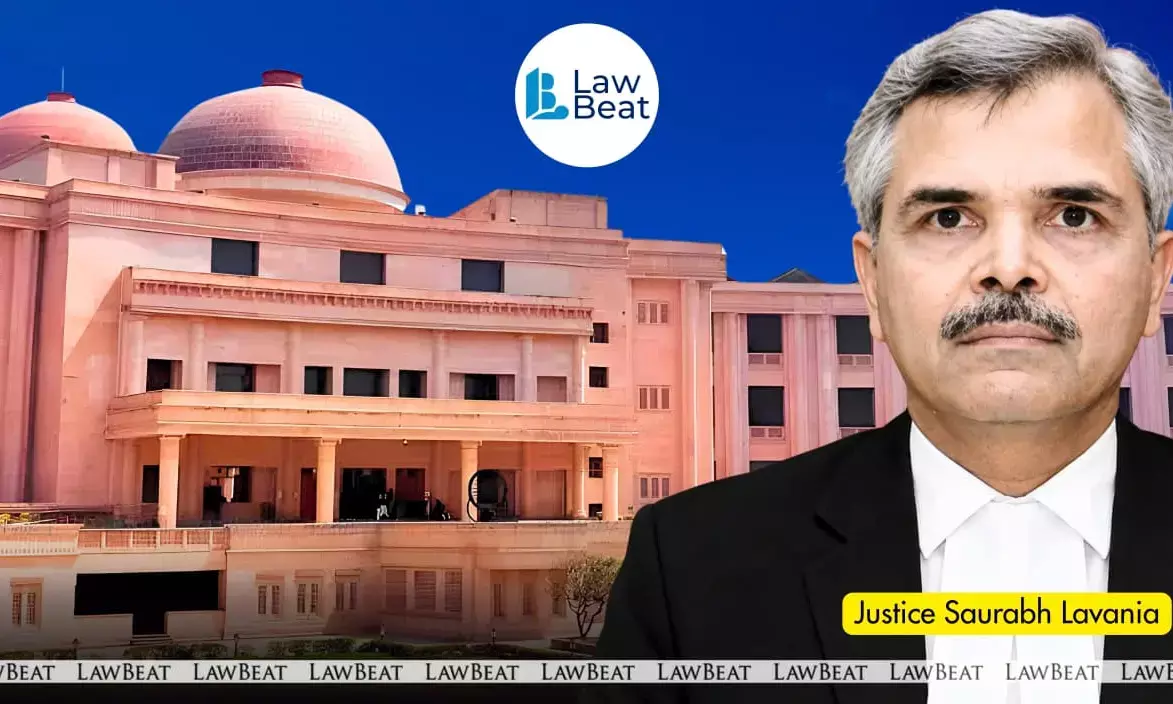
Allahabad High Court summons Home Secretary in custodial death contempt case.
The Allahabad High Court has directed the Principal Secretary of Uttar Pradesh's Home Department to personally appear before it after finding that the State had failed to comply with its earlier directions in a custodial death case, including payment of full compensation to the victim's family and framing of a policy on compensation in such cases.
The bench of Justice Saurabh Lavania passed the order while hearing a contempt petition alleging violation of a division bench judgment delivered on February 20 this year.
Court observed that the directions issued months ago had not been implemented despite the lapse of the time granted by the division bench.
Holding that the concerned officer was liable to face proceedings under Section 12 of the Contempt of Courts Act, 1971, court directed the Principal Secretary to remain present on July 31 for further proceedings, including framing of charges.
What were the directions that remained unimplemented?
According to the contempt order, the State had failed on two counts.
First, it had not paid the entire compensation of ₹10 lakh to the legal heirs of the deceased as directed by the division bench. Second, it had not framed guidelines for determining compensation in custodial death cases despite a specific judicial direction to do so.
The division bench had ordered payment of ₹10 lakh compensation within three weeks and clarified that the amount would not prevent the family from pursuing separate civil or criminal proceedings against the officials concerned. It had also directed the State Government to formulate guidelines for compensation by adopting relevant parameters similar to the multiplier method used under the Motor Vehicles Act.
What had the division bench held on custodial deaths?
In its February 20 judgment, the division bench held that the deceased had died while in the custody and control of State authorities and that the material on record clearly established a violation of the fundamental right to life under Article 21 of the Constitution.
The bench made strong observations on custodial violence, stating that custodial torture is a "naked violation of human dignity" and that custodial violence and deaths strike at the very core of the rule of law. It emphasised that the State, being the custodian of persons in its custody, bears a strict and non-delegable duty to ensure their safety and that failure to discharge this obligation attracts public law liability.
Rejecting the State's defence that the death was a suicide, the division bench held that even a custodial suicide constitutes an unnatural death. Referring to Supreme Court precedent, it ruled that liability would still rest upon the State and concluded that the facts disclosed a clear infringement of constitutional protections warranting intervention under Article 226.
The division bench also reiterated that constitutional courts are empowered to award monetary compensation for established violations of fundamental rights in addition to remedies available under private law. It observed that while compensation cannot replace the loss of life, it can provide solace to the bereaved family and act as a deterrent against future custodial violence.
Apart from compensation, the bench prescribed a series of measures to be followed in every custodial death, including immediate intimation to family members, preparation of a panchnama without delay, prompt post-mortem with mandatory videography, judicial magistrate's inquest, and payment of compensation in accordance with National Human Rights Commission of India (NHRC) norms.
Finding that these directions had still not been complied with, the single judge has now required the State's senior-most Home Department official to appear before the court on July 31 to answer the alleged contempt.
Case Title: Prema Devi vs. Shri Sanjay Prasad, Prin. Secy. Home Deptt. Lko. And 5 Others
Order Date: July 24, 2026
Bench: Justice Saurabh Lavania