
Delhi High Court Allows Sperm Retrieval of Incapacitated Army Soldier, Holds Prior IVF Consent Sufficient
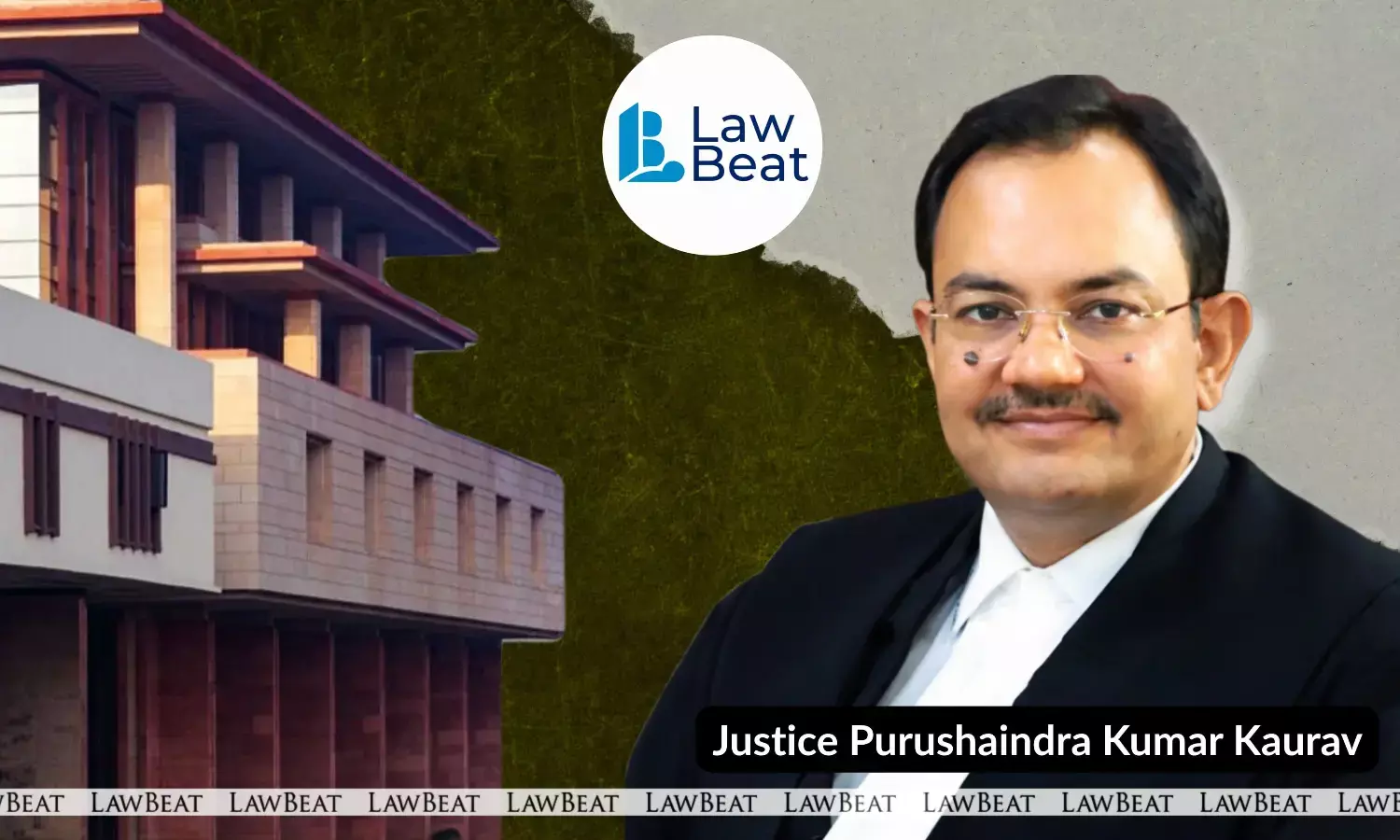
Delhi High Court permits sperm retrieval of incapacitated Army soldier, holds prior IVF consent sufficient under ART Act
The Delhi High Court has directed authorities to permit the retrieval and cryopreservation of sperm of an Indian Army soldier who is in a persistent vegetative state, enabling his wife to proceed with assisted reproductive treatment through IVF.
The order was passed by a single bench of Justice Purushaindra Kumar Kaurav in a writ petition filed by the soldier’s wife seeking extraction and preservation of her husband’s genetic material.
“Having considered the overall prospectus of facts and situation, it is directed that the petitioner’s husband action and his consent of joining the IVF treatment be treated to be sufficient compliance for the purposes of Section 22 of the ART Act”, the Court ruled.
The petitioner, who married the soldier in 2017, had initiated assisted reproductive treatment with her husband in 2023.
In 2025, the soldier sustained a severe traumatic brain injury while on operational duty in Jammu and Kashmir, resulting in a persistent vegetative state with no foreseeable neurological recovery.
Although the IVF process had already begun, it was halted due to the absence of fresh written consent from the husband, as required under Section 22 of the Assisted Reproductive Technology (Regulation) Act, 2021.
Pursuant to directions of the Court, a specialised medical board at the Army Hospital (Research and Referral), Delhi Cantonment, examined the patient and reported that he was incapable of providing informed consent.
The board further noted that while surgical retrieval of sperm was technically feasible, the chances of retrieving viable sperm were limited.
The issue before the Court was whether the requirement of written informed consent under Section 22 of the statute could be fulfilled in the absence of fresh consent from the husband, given his medical condition.
The Court held that in the facts of the case, the prior consent of the husband to undergo IVF treatment would constitute sufficient compliance with the statutory requirement. It observed:
“... as on date there is no express indication of consent from the petitioner’s husband, however, under the facts and circumstances of the present case, it is found to be fair, reasonable, and just for the respondents to undertake the necessary procedure/steps which are required to take the IVF treatment to its logical conclusion”.
The Court further directed, “the petitioner’s husband's action and his consent of joining the IVF treatment be treated to be sufficient compliance for the purposes of Section 22 of the ART Act”, and that “the petitioner’s consent be considered as valid consent for her husband for the purposes of IVF procedure, if the same is required for any other step/procedure”.
While examining the statutory framework, the Court noted that Section 22 requires written informed consent for assisted reproductive procedures.
However, it held that such procedural requirements cannot be interpreted in a manner that defeats substantive rights.
The Court observed that the inability of the husband to provide fresh consent was a direct consequence of the injury sustained during service and could not be used to frustrate the couple’s prior decision to undergo IVF.
The Court further observed, “Section 22 of the ART Act, thus, provides the mere procedure to address the broader, more fundamental problem, which is being faced by the citizens”.
The Court also took note of judicial precedents dealing with similar issues, including Simi Rajan v. Union of India, wherein courts have permitted extraction and preservation of genetic material in cases involving incapacitated individuals where consent could be inferred from prior conduct.
Accordingly, the Court directed that the husband’s prior consent shall be treated as valid for the purposes of Section 22 of the statute and that the petitioner’s consent would suffice for subsequent procedures.
It further directed that the authorities shall not deny the procedure solely on the ground of absence of fresh written consent from the husband, subject to medical feasibility and compliance with other statutory requirements.
Case Title: Ms. X v. Union of India & Ors.
Bench: Justice Purushaindra Kumar Kaurav
Date of Judgement: 13.04.2026