
Delhi HC Bar Association's Strike Over Pecuniary Jurisdiction Enters Third Day, APAA, IPAA Extend Solidarity To DHCBA
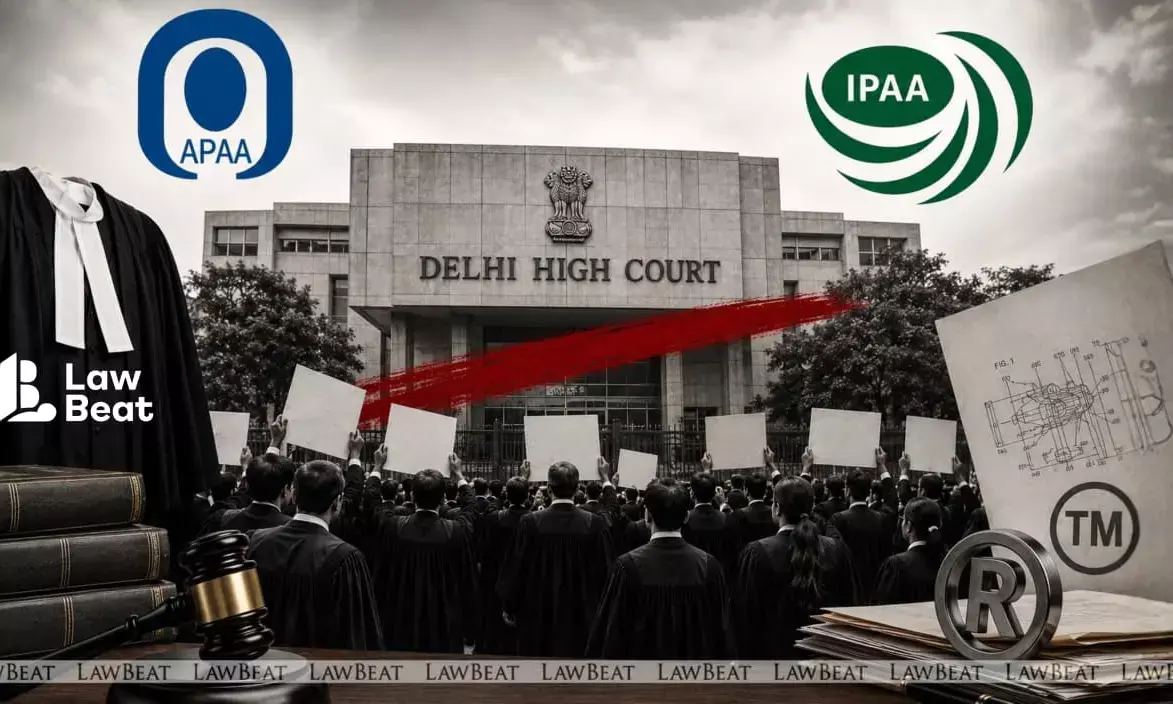
DHCBA Strike Against Pecuniary Jurisdiction Hike Continues For Third Consecutive Day
The strike called by the Delhi High Court Bar Association (DHCBA) against the proposed enhancement of the pecuniary jurisdiction of the district courts will continue for a third consecutive day on July 16, with the Bar's Executive Committee resolving to abstain from work in view of the High Court's administrative move to recommend the change.
A notice issued by the DHCBA states that its Executive Committee has unanimously resolved to continue abstaining from work on July 16, "in light of the view of the Hon'ble Full Court with respect to the enhancement of the pecuniary jurisdiction of the District Courts from Rs.2 crore to Rs.10 crore." Members have been asked to extend full cooperation and solidarity "in the collective interest of the Bar," and have also been requested to refrain from appearing before courts through video conferencing. The court cafeteria, bar rooms and other common facilities are set to remain shut for the day.
The strike stems from a proposal under consideration to raise the pecuniary threshold that determines whether a commercial suit is filed before the district courts or the Delhi High Court. A higher threshold would mean that a larger share of high-value litigation, which currently reaches the High Court, would instead have to be filed before the district courts, a shift that has triggered strong pushback from sections of the Bar practising before the High Court.
Two professional bodies have since extended support to the DHCBA's position. The Asian Patent Attorneys Association (Indian Group) [APAA], at an emergency meeting of its Executive Committee held on July 14, resolved to "stand in complete solidarity" with the DHCBA, fully endorsing "the DHCBA's concerns regarding pecuniary jurisdiction" and pledging "unequivocal support for the ongoing strike and collective action for as long as necessary." The resolution is signed by APAA (Indian Group) secretary Advocate Sudeep Chatterjee.
The same day, the Intellectual Property Attorneys Association (IPAA) passed a similar resolution at its own emergent meeting, stating that its members had unanimously decided "to stand in solidarity with the Delhi High Court Bar Association (DHCBA) and fully support its call for abstention from work on the issue of pecuniary jurisdiction, for as long as it is necessary." The IPAA resolution, issued for and on behalf of the association by its president, Advocate Ranjan Narula, adds that the body "endorses the concerns raised by the Delhi High Court Bar Association and expresses its unequivocal support for the collective action proposed in this regard."
Members of the intellectual property Bar have separately flagged concerns specific to IP litigation. A note prepared on behalf of the IP Bar argues that IP disputes stand on a different footing from ordinary commercial or property suits, since they involve intangible statutory rights where the primary relief sought is an injunction rather than monetary recovery, and where valuation in pleadings rarely reflects the actual worth of the right in question. The note contends that pushing a larger volume of IP suits into the district courts would dilute the Delhi High Court's specialised Intellectual Property Division, an institutional framework that has been cited internationally, and could slow the development of consistent IP jurisprudence.
The dispute has also moved into litigation. The International Trademark Association (INTA) has filed a writ petition before the Delhi High Court, through Advocate Urfee Roomi, challenging the Full Court's resolution of September 2, 2025 and the constitution of the committee of judges examining the enhancement, and seeking directions that IP matters continue to be heard by the Intellectual Property Division regardless of pecuniary value. The petition notes that similar challenges have already been filed by the DHCBA and by the APAA (Indian Group) earlier this year.
With the Bar's abstention entering its third consecutive day, litigants and lawyers continue to face disruption in the Delhi High Court's day-to-day functioning, even as professional IP Bar bodies quickly step up pressure for the pecuniary jurisdiction issue to be reconsidered.