
Delhi High Court Denies Bail To Maulvi Accused Of Sexually Assaulting Minor Girls Under Guise Of Evil Spirit Treatment
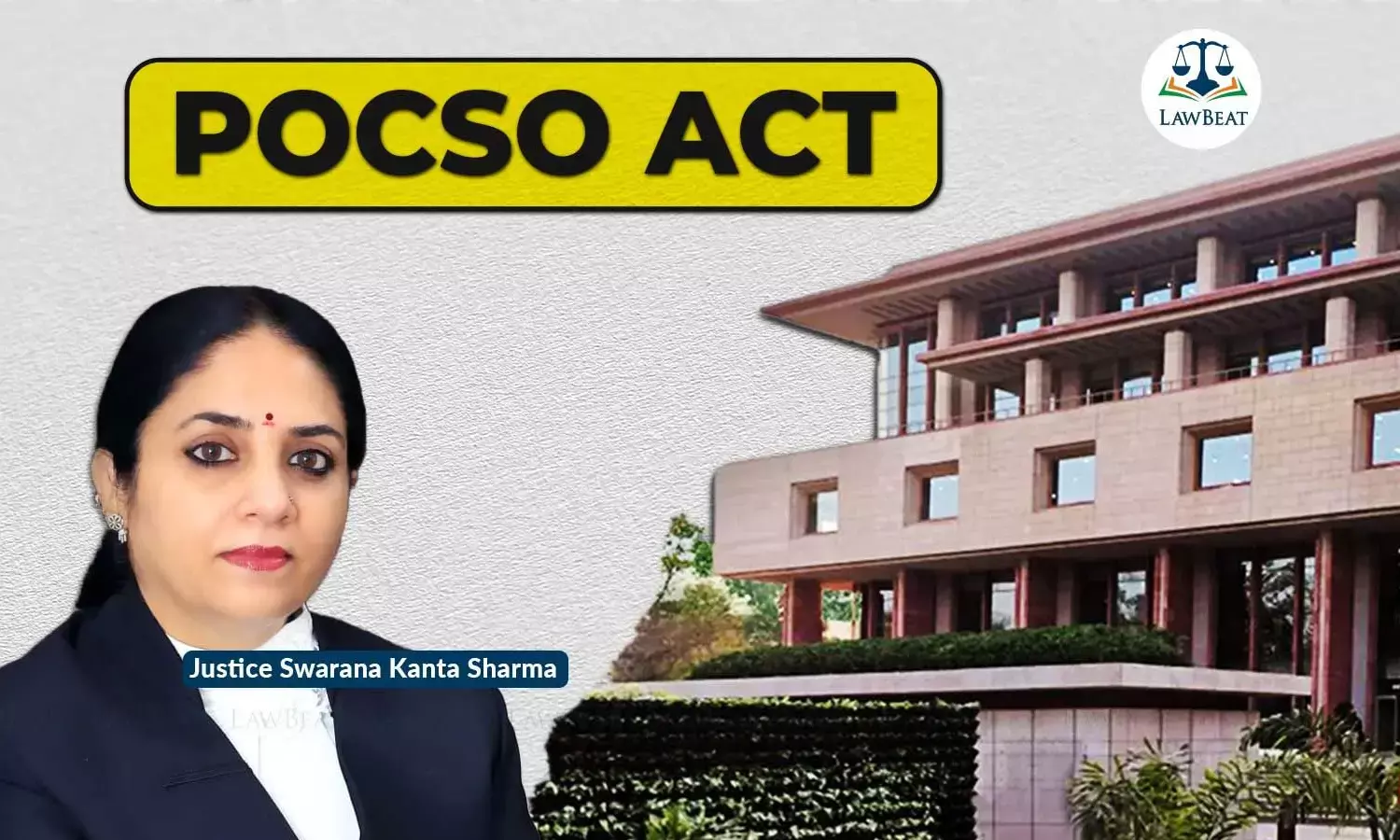
Delhi High Court refuses bail to man accused of sexually assaulting minor girl under guise of spiritual healing; Court says accused prima facie exploited victim’s vulnerability and family’s blind faith.
The Delhi High Court has refused to grant bail to a man accused of sexually assaulting a minor girl while pretending to treat her through spiritual healing.
The Court held that the material on record prima facie showed that he took advantage of the girl’s vulnerable condition and of the family’s belief that he could cure her through spiritual treatment.
The bench of Justice Swarana Kanta Sharma observed that the girl had been unwell for several years and that her family, believing she was under the influence of a jinn or evil spirit, had turned to faith healing after medical treatment did not improve her condition.
“….the trial is already at an advanced stage and the prosecution evidence is nearing completion. The Hon’ble Supreme Court in X v. State of Rajasthan: 2024 SCC OnLine SC 3539 has observed that ordinarily, in offences like rape, murder, dacoity, etc., once the trial commences and the prosecution starts examining the witnesses, the Courts should be loath in entertaining bail applications of the accused”, the Court observed.
The bail application arose from an FIR registered for the offence of rape under Section 376 of the Indian Penal Code, 1860, along with an offence under the POCSO Act, which is the special law that protects children from sexual offences.
It was noted that the case was initially registered under Section 4 of the POCSO Act, but after the prosecutrix’s statement under Section 164 CrPC disclosed repeated sexual assault, Section 4 was substituted with Section 6 of the POCSO Act during investigation.
The victim’s school records showed her date of birth as 24 November 2002, confirming that she was a minor at the relevant time.
According to the prosecution, the accused first asked the girl inappropriate questions, then later came to her home, insisted on being alone with her, and allegedly told her that the jinn could only be removed through obscene acts. It was argued that the applicant had taken advantage of the prosecutrix’s vulnerable condition and the blind faith of her family, who approached him believing he could remove the supposed evil influence.
The prosecution also pointed out that the trial was already at an advanced stage, with prosecution evidence nearing completion, and therefore there was no reason to enlarge the accused on bail.
The defence argued that the accused had already spent more than six years in custody, that the investigation was complete, that the charge-sheet had been filed, and that key witnesses had already been examined.
The defence also claimed that there were inconsistencies in the witnesses’ statements and that the girl’s testimony was unreliable. In other words, the accused argued that continued detention was unfair and unnecessary because the evidence had largely been collected and the important witnesses had already testified.
The Court found that the material on record prima facie showed that the applicant had exploited both the girl’s vulnerable condition and the family’s trust in him.
It observed that the prosecutrix was a young girl suffering from illness, and that both she and her family had been made to believe that the applicant could cure her through spiritual treatment. Instead of helping her, he allegedly misused that trust and exploited her under the guise of treatment.
The court thus concluded that the material on record prima facie showed that the accused took undue advantage of both the girl’s vulnerable condition and the family’s blind faith.
It also relied on the prosecutrix’s Section 164 CrPC statement, noting that it supported the prosecution’s case, and further recorded that her testimony before the trial court contained a detailed account of the assault.
Importantly, the Court held that at the bail stage it is not required to minutely sift evidence or decide whether the witness testimony is ultimately reliable; such issues are meant to be tested during the full trial.
The bail application was thus dismissed.
Case Title: Mohd Mubarak v. State (NCT of Delhi)
Bech: Justice Swarana Kanta Sharma
Date of Judgement: 29.04.2026