
Delhi High Court Orders Removal Of Janhvi Kapoor Deepfakes, Spares Fan Clubs
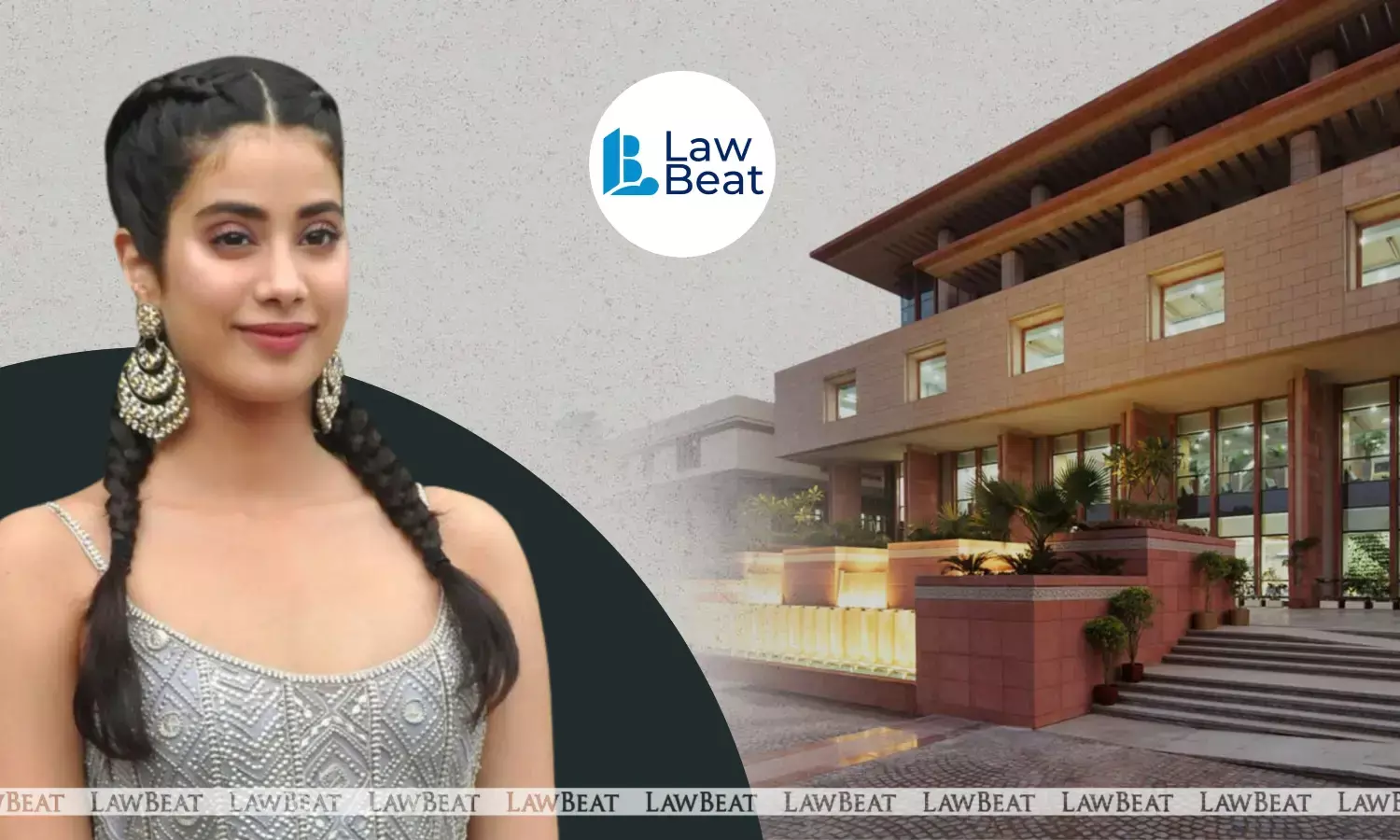
Delhi High Court granted Janhvi Kapoor interim protection against obscene and pornographic AI-generated content while limiting the scope of personality rights injunctions
The Delhi High Court has granted interim protection to actor Janhvi Kapoor against online pornographic and obscene content allegedly misusing her name, image and likeness, while cautioning against using personality rights as a basis for seeking blanket injunctions against legitimate fan pages, criticism or commentary.
Justice Anup Jairam Bhambhani was hearing Kapoor's plea seeking removal of thousands of URLs and social media posts allegedly involving artificial intelligence-generated impersonation, deepfake pornographic content and commercial exploitation of her personality without her consent.
The Court indicated that protection through an injunction on personality rights could be considered for specific categories of offending content, rather than through a blanket order covering all online material referring to a public figure.
Three categories identified for personality rights protection
During the proceedings, the Court indicated that Kapoor's claim for an injunction protecting her personality rights could be examined in three broad categories; i. Content that was clearly pornographic or obscene; ii. Content that directly monetised or commercially exploited her personality rights; and iii. Content using her name, image or likeness to promote the sale of merchandise or services.
Justice Bhambhani stressed the need for clearer boundaries while dealing with personality rights claims involving public figures. “I want you all (counsels) to assist me to give sanity to the concept of personality rights. It is going out of hand,” the Court observed.
The Court was, however, reluctant to grant a blanket injunction against fan pages and other online content merely because it referred to Kapoor.
The Court observed that fan pages could contain satire, praise, criticism or commentary on a celebrity's work and could not automatically be treated as an infringement of personality rights.
“We are not the conscience keepers of the nation. Solution may be worse than the problem.”
The Court further cautioned that an overly broad injunction could have implications for free speech.
“Fan pages may be lampooning, adulatory of your work, critical of your work. You don't want fans? It is the digital world.”
The Court also observed that public figures were inevitably subject to commentary and criticism in the digital space.
“You are a public personality. Who is immune these days? Everyone who is in public domain is being abused left, right and centre.”
At the same time, the Court made clear that its approach would be different where content crossed the line into obscenity, direct commercial exploitation or other egregious misuse.
“Where there is obscenity or monetising or extremely egregious or inappropriate content, I am with you, but how can you shut down all fan clubs?”
Kapoor's counsel had placed thousands of URLs before the Court, including links allegedly involving deepfakes, AI-generated content, abusive material, fan pages and commercial uses of her identity.
The Court directed that the URLs be categorised so that the question of injunctive relief could be considered against specific forms of alleged infringement.
The categories include pornographic or obscene material, direct monetisation of Kapoor's personality rights, and use of her name or likeness to promote merchandise or services.
Meta, represented by Advocate Varun Pathak, questioned the practicality of examining thousands of URLs individually and submitted that it was not humanly possible to verify all the links flagged in the plaint.
Court cautions against expanding personality rights
The Court also expressed concern over attempts to use personality rights to seek removal of material that may otherwise constitute legitimate expression.
“How do we draw the line? In law, we can only do so much and no more. To completely restrain everything cannot be the approach.”
The Court added: “We will draw a line, but where do we put the line? Today, many people are trying to hide their wrongdoings by saying celebrity or personality rights. How can court allow that?”
Justice Bhambhani also noted that some fan clubs could potentially be involved in commercial exploitation, but that did not mean every fan page was offending Kapoor's rights.
“A part of it may be satire or critical of your work,” the Court observed.
The Court's approach therefore distinguished between personality rights injunctions against unlawful commercial or obscene exploitation and restrictions that could suppress criticism, satire, fan activity or other legitimate speech.
The Court has listed the matter for further hearing on August 17.
Case Title: Janhvi Kapoor v. John Does & Ors.
Bench: Justice Anup Jairam Bhambhani
Hearing Date: August 11, 2026