
Delhi High Court Rejects Unnao Survivor’s Plea to Lead Additional Evidence in Sengar Appeal
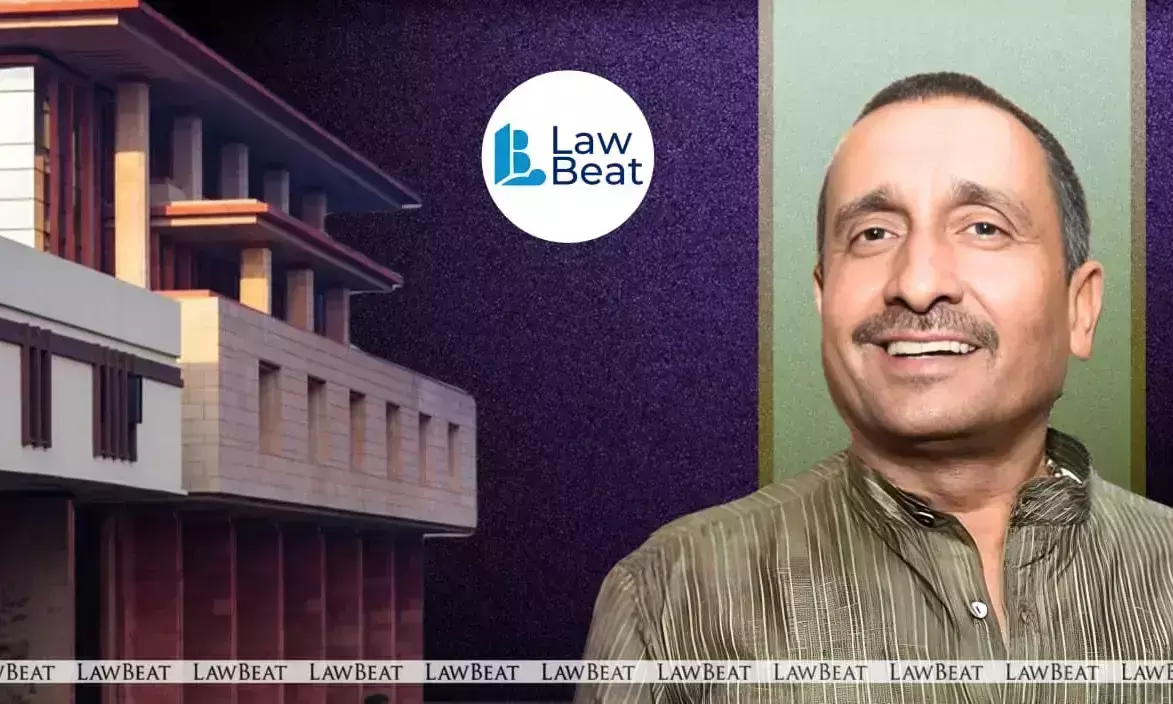
Delhi High Court declines plea to introduce additional evidence in Unnao rape case appeal
The Delhi High Court on Wednesday declined a plea filed by the Unnao rape survivor seeking permission to introduce additional evidence against former BJP MLA Kuldeep Singh Sengar, ruling that the appeal against his conviction would be adjudicated on the basis of the material already on record.
A Division Bench comprising Justice Prathiba M Singh and Justice Mandhu Jain dismissed the application after hearing detailed submissions from counsel appearing for the survivor, the convict, and the Central Bureau of Investigation (CBI).
The Court made it clear that it was not inclined to reopen the evidentiary stage at the appellate level in the absence of compelling reasons.
The survivor had sought to place on record additional documents relating to her age, particularly school records, arguing that these were relevant for a complete and accurate adjudication of the case.
Her counsel, Advocate Mehmood Pracha, submitted that such evidence would further substantiate the prosecution’s case and assist the Court in arriving at a just conclusion.
However, the Bench was not persuaded by these arguments. It held that the appellate proceedings are ordinarily confined to the evidence that was led before the trial court, unless exceptional circumstances justify the admission of fresh material.
The Court found no such exceptional grounds in the present case and therefore rejected the application.
Senior Advocate N. Hariharan, along with Advocate SPM Tripathi, appeared on behalf of Sengar and opposed the plea, contending that permitting additional evidence at this stage would be contrary to settled principles governing appellate jurisdiction.
After considering all submissions, the Court concluded that the matter should proceed on the existing evidentiary record.
Following the dismissal of the application, the High Court listed Sengar’s appeal for final hearing on May 25. The appeal challenges his conviction and life sentence in the 2017 rape case involving a minor.
Sengar was convicted by a trial court in Delhi and sentenced to imprisonment for life. The case had been transferred from Uttar Pradesh to the national capital by the Supreme Court of India to ensure a fair and impartial trial in light of the sensitivity and high-profile nature of the matter.
The procedural history of the case has seen several significant developments. Notably, on December 23, 2025, the Delhi High Court had granted suspension of Sengar’s sentence during the pendency of his appeal.
However, this relief was short-lived, as the Supreme Court stayed the High Court’s order on December 29, 2025, thereby ensuring that the life sentence continues to remain in force while the appeal is pending.
The present ruling is significant as it reiterates the limited scope of appellate courts in admitting additional evidence.
Courts generally exercise caution in allowing fresh material at the appellate stage, as it may disrupt the finality of trial proceedings and potentially prejudice either party.
The law requires that any such request must meet a high threshold, demonstrating that the evidence could not have been produced earlier despite due diligence and that it is essential for a just decision.
By refusing the survivor’s plea, the High Court has effectively confined the upcoming appeal hearing to the evidence and findings recorded during the trial.
The focus will now shift to examining whether the conviction and sentence imposed by the trial court are legally sustainable based on the existing record.
The matter is expected to draw continued attention, given its legal and social significance. With the appeal now slated for hearing, the High Court will undertake a detailed scrutiny of the trial court’s judgment, marking the next crucial phase in the long-running case.
Case Title: Kuldeep Singh Sengar v. Central Bureau of Investigation
With Inputs From: ANI