
Delhi High Court Seeks Centre’s Response on Alleged Irregularities at Indian Institute of Heritage
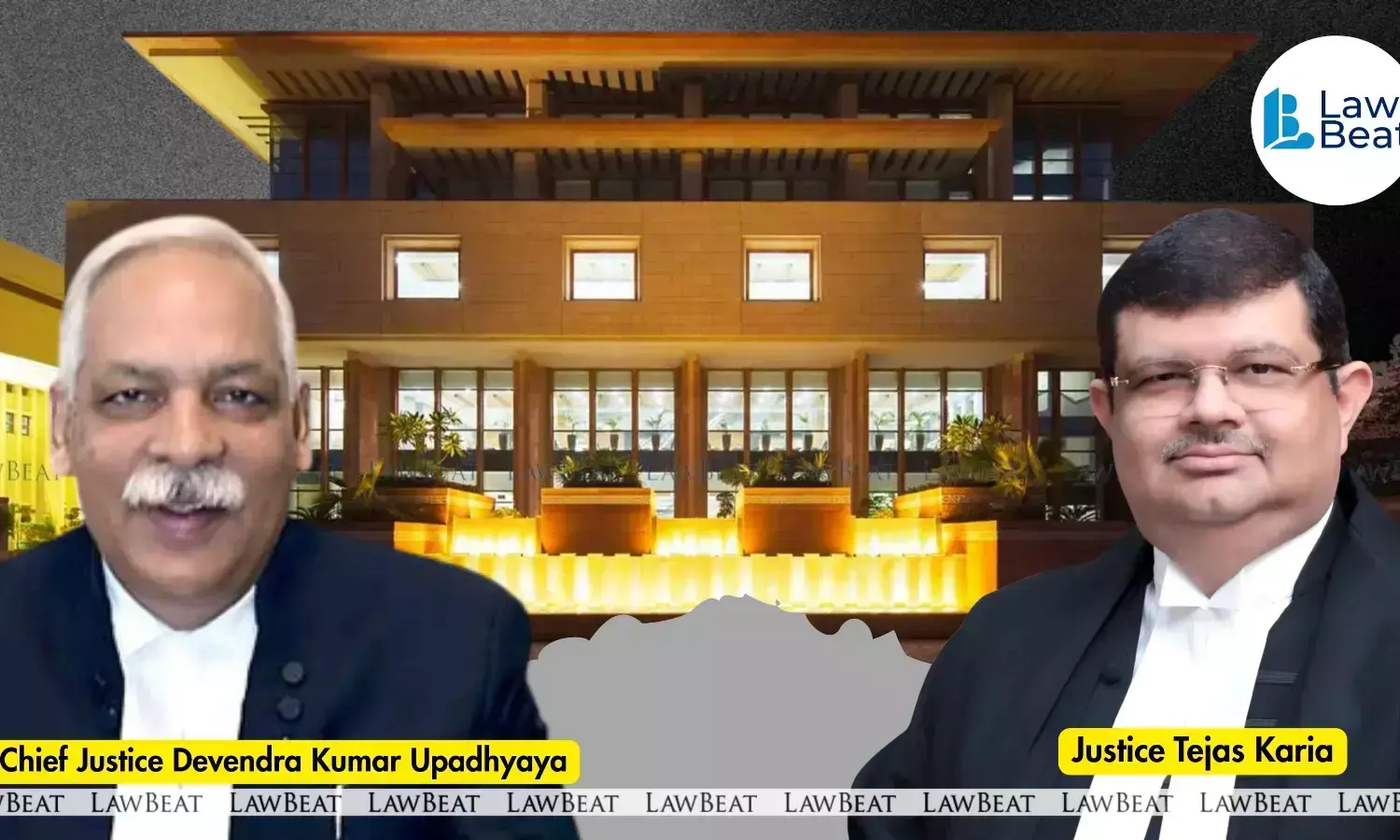
Delhi High Court issues notice on PIL alleging irregularities at Indian Institute of Heritage, Noida
The Delhi High Court has sought the Centre’s response to a public interest litigation (PIL) alleging wide-ranging financial, administrative and academic irregularities at the Indian Institute of Heritage in Noida.
A Division Bench comprising Chief Justice Devendra Kumar Upadhyaya and Justice Tejas Karia issued notices to the Union Government, the University Grants Commission (UGC), and the institute, directing them to file their responses to the allegations raised in the petition.
The PIL has been filed by advocate Prashant Bhushan, who has sought judicial intervention into what he describes as systemic irregularities in the functioning of the institute. Taking note of the nature of the allegations, the Court described the matter as “serious” and also issued notice to the institute’s former Vice-Chancellor, Dr Manvi Seth.
The petition calls for the constitution of a high-level independent inquiry committee, preferably headed by a retired High Court judge or an eminent expert, to conduct a comprehensive probe into the alleged lapses.
It claims that the institute has witnessed unauthorised appointments, expenditure incurred without approval from the competent finance committee, and diversion or misuse of public funds.
According to the plea, such actions not only violate established administrative and financial norms but also undermine the credibility and functioning of a premier institution tasked with promoting heritage education and research.
The petitioner has argued that the absence of proper oversight mechanisms has allowed these irregularities to persist unchecked.
In addition to seeking an inquiry, the petition has also urged the Court to direct the Union Ministry of Culture to expedite the appointment of a regular, full-time Vice-Chancellor for the institute.
It contends that the lack of stable leadership has contributed to administrative lapses and weakened institutional accountability.
The Bench, while issuing notice, did not make any immediate findings on the merits of the allegations but emphasised the need for responses from all concerned stakeholders before proceeding further. The Court’s decision to seek replies indicates that it considers the issues raised to warrant closer judicial scrutiny.
The matter highlights broader concerns about governance and accountability in publicly funded educational institutions, particularly those operating under central oversight.
Allegations of financial mismanagement and irregular appointments, if substantiated, could have significant implications not only for the institute in question but also for regulatory frameworks governing higher education institutions in India.
By involving multiple authorities, including the Centre and the UGC, the Court has ensured that the issue is examined from both administrative and regulatory perspectives.
The inclusion of the former Vice-Chancellor as a respondent further signals the Court’s intent to examine individual accountability alongside institutional responsibility.
The case is scheduled to be heard next in July, by which time the respondents are expected to place their stand on record. The outcome of the proceedings could potentially shape future standards of transparency and governance in higher education institutions, especially those funded or regulated by the government.
With Inputs From: ET