
Designation As Owner Cannot Automatically Establish Criminal Culpability: MP HC Grants Bail In Fireworks Blast Case
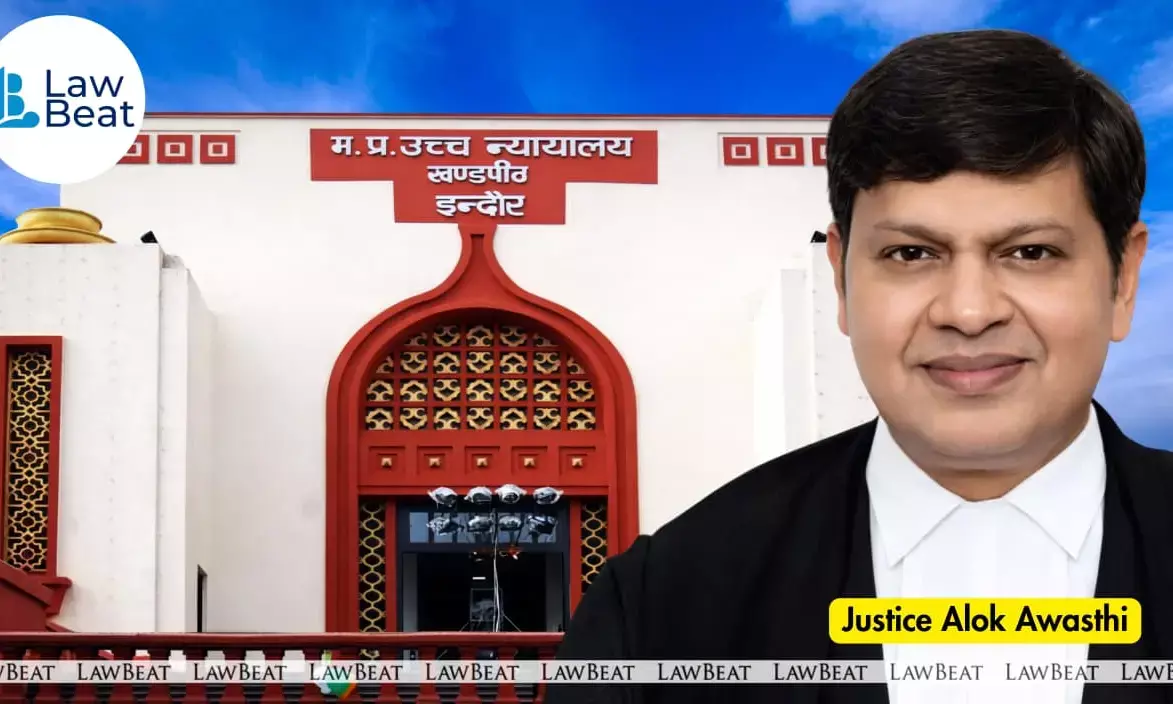
Madhya Pradesh High Court Grants Bail in Dewas Fireworks Blast Case
The Madhya Pradesh High Court at Indore has granted bail to two men accused in the Dewas fireworks factory blast that killed 12 workers, holding that their continued detention was “not shown to be indispensable for the purpose of investigation or trial.”
Justice Alok Awasthi, on October 26, allowed the criminal appeals of Mukesh Vij and Anil Malviya and set aside the September 9 order of the 1st Additional Sessions Judge/Special Judge, Dewas, which had refused them bail. The appeals were filed under Section 14-A(2) of the SC/ST Act.
The explosion took place on May 14, 2026, at an illegal fireworks unit in Village Tokkala, under Tonkkhurd police station. According to the prosecution, around 70 to 75 labourers were filling fireworks with gunpowder and chemicals inside tin sheds when the blast occurred. Twelve workers died and 19 were seriously injured.
The FIR invokes several provisions of the Bharatiya Nyaya Sanhita, along with the Explosive Substances Act, the Explosives Act, the SC/ST Act, the Arms Act, the Child Labour Act and the Juvenile Justice Act. Malviya has been in custody since May 17 and Vij since May 19.
The State said Vij, through his firms Vij Technology & Consultants and S.K. Enterprises, acted as the main financial controller and partner, with crores of rupees moving between his firms and Malviya, described as the ostensible operator. Appearing for the State, Government Advocate Aditya Garg called them the “financial backbone” and argued they could influence poor migrant witnesses.
Senior Advocate Vishal Baheti, assisted by Advocates Aditya Singh and Kinjal Shrivastava, argued for the appellants that the case rested on business transactions. Neither man, he said, was present at the factory that day, handled explosives, supervised manufacturing or committed any overt act. The charge-sheet was filed, investigation was complete and there were no criminal antecedents.
Does being an owner or financier automatically make someone guilty?
The Court called the incident “extremely grave and tragic,” but said seriousness cannot be the sole ground for keeping an accused in custody, since bail is not meant to punish anyone before conviction.
It noted that owners and managers of an establishment dealing with explosives are expected to exercise due care. Yet whether a breach occurred, whether it was attributable to either appellant and whether it caused the explosion were matters for trial. The Court was clear on the legal position: “Mere designation as owner/financer or manager/partner/owner cannot, in every circumstance, automatically establish criminal culpability.”
On the case diary, the Court said manufacturing firecrackers inside a tin-roofed shed in the intense heat of May “demonstrates gross negligence.” It added that the accident “was not the result of any deliberate act by any individual,” and found no documentary evidence that any minor was engaged in manufacturing.
The bench stressed that it was “not recording any finding that the appellants were free from responsibility.” But with the factory premises, records and physical evidence already in the investigating agency’s possession, custodial interrogation was not required, and continued incarceration could not be justified “merely on the basis of seriousness of the allegations.”
Relying on the Supreme Court’s rulings in State of Rajasthan v. Balchand and Kumer Singh v. State of Rajasthan, the Court reiterated that bail is the rule and jail the exception, subject to the facts of each case, and that witness intimidation is relevant.
Each appellant must furnish a personal bond of Rs 10 lakh with a solvent surety. They cannot leave India without permission, must share their addresses, mobile numbers and email IDs, and must not threaten or induce witnesses. The Court also warned that bail “shall not be construed as permission to resume any activity involving the manufacture, storage or handling of explosives.” The trial court may cancel bail on any violation without reference to the High Court.
The observations are confined to bail and are not an opinion on the merits of the prosecution case.
Case Title: Mukesh Vij vs. State of M.P. and Anr. with connected matter
Order Date: October 26, 2026
Bench: Justice Alok Awasthi