
Developer Cannot Use Section 6 SRA To Evict Flat Purchaser Over Payment Dispute: Bombay HC
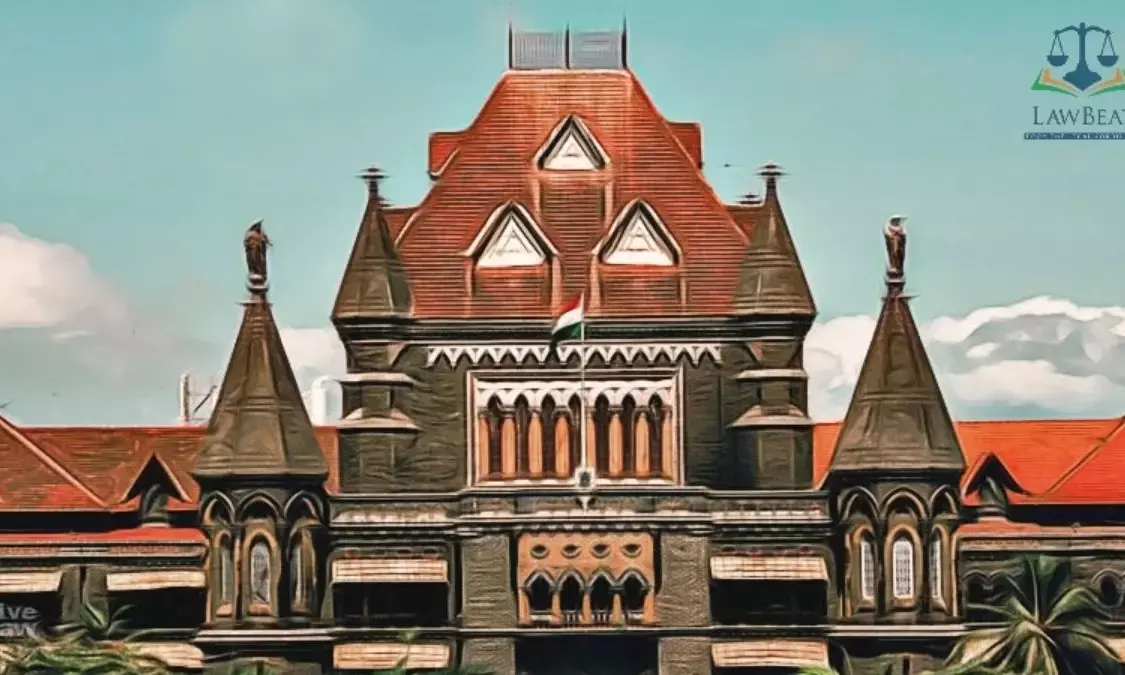
Bombay High Court holds developer cannot use Section 6 of the Specific Relief Act to recover possession of flat from purchaser over payment dispute.
The Bombay High Court has held that a developer cannot invoke the summary remedy under Section 6 of the Specific Relief Act to recover possession of a flat from a purchaser on the ground of non-payment of full consideration, ruling that disputes arising out of a sale transaction and claims for injunction or compensation fall outside the narrow scope of such proceedings.
The Court clarified that a suit under Section 6 is confined solely to restoration of possession in cases of forcible dispossession and cannot be converted into a forum for adjudicating contractual or title disputes between a developer and a flat purchaser.
Justice Sandeep V. Marne set aside the decree of the Pune civil court which had directed the purchaser to hand over possession of the flat to the developer along with payment of compensation, holding that the trial court had committed a jurisdictional error in entertaining and deciding a composite suit under Section 6.
The High Court dismissed the suit as not maintainable while granting liberty to the developer to pursue a substantive remedy based on title in accordance with law.
The dispute arose from an agreement for sale executed in 2004 for purchase of a flat in a building developed by the respondent. While the purchaser claimed to have paid the entire consideration and to have been put in possession in 2005, the developer contended that the full amount had not been paid, that the agreement was terminated in 2007, and that the purchaser had illegally entered the flat in 2009.
The developer thereafter instituted a suit under Section 6 of the Specific Relief Act seeking restoration of possession along with injunction and compensation. The trial court decreed the suit and directed the purchaser to hand over possession and pay compensation at the rate of Rs. 84,000 per year from the date of dispossession.
Examining the scheme of Section 6, the High Court reiterated that it provides a special and summary remedy intended only to restore possession to a person who has been dispossessed without consent and otherwise than in due course of law.
The Court emphasised that such proceedings are limited to three issues; whether the plaintiff was in possession, whether dispossession took place within six months prior to the suit, and whether such dispossession was without due process and that questions relating to title, contractual rights or entitlement to retain possession are wholly irrelevant in such a suit.
The Court held that the very framing of the plaint showed that the developer’s grievance was not merely about dispossession but about the alleged failure of the sale transaction and termination of the agreement for sale on account of non-payment of consideration.
The inclusion of prayers for injunction against creation of third-party rights, compensation for mental agony and loss of goodwill, and future mesne profits transformed the nature of the suit and took it beyond the ambit of Section 6, which permits no relief other than restoration of possession.
It further noted that the pleadings of both parties and the findings of the trial court demonstrated that a detailed enquiry had in fact been conducted into payment of consideration and the validity of termination of the agreement for sale, issues which can only be decided in a substantive civil suit.
Such an exercise, the High Court held, is impermissible in a summary proceeding under Section 6.
The Court also observed that Section 6 is intended to discourage parties from taking the law into their own hands by forcibly dispossessing a person in settled possession and is not designed to resolve disputes between a developer and a flat purchaser arising from a contractual transaction.
In such cases, the nature of the controversy necessarily requires a full adjudication and cannot be reduced to a summary enquiry.
Taking note of the factual position, the Court recorded that even according to the developer’s case more than 90 % of the consideration had been paid and that the purchaser had been residing in the flat for about 17 years.
In these circumstances, the grant of a decree for restoration of possession in a summary proceeding was held to be unwarranted.
Holding that the trial court had acted with material irregularity in exercising jurisdiction, the High Court allowed the revision application, set aside the impugned decree and dismissed the suit, while clarifying that the developer would be at liberty to institute a substantive suit for recovery of possession based on title.
The Civil Revision Application was accordingly allowed.
Case Title: Jayashree Jaisingh Babar v. Shirish Ramdas Sarode
Bench: Justice Sandeep V. Marne
Date: 13.02.2026