
Disney Sues FCC Over ABC Licence Review, Points to Trump-Jimmy Kimmel Clash
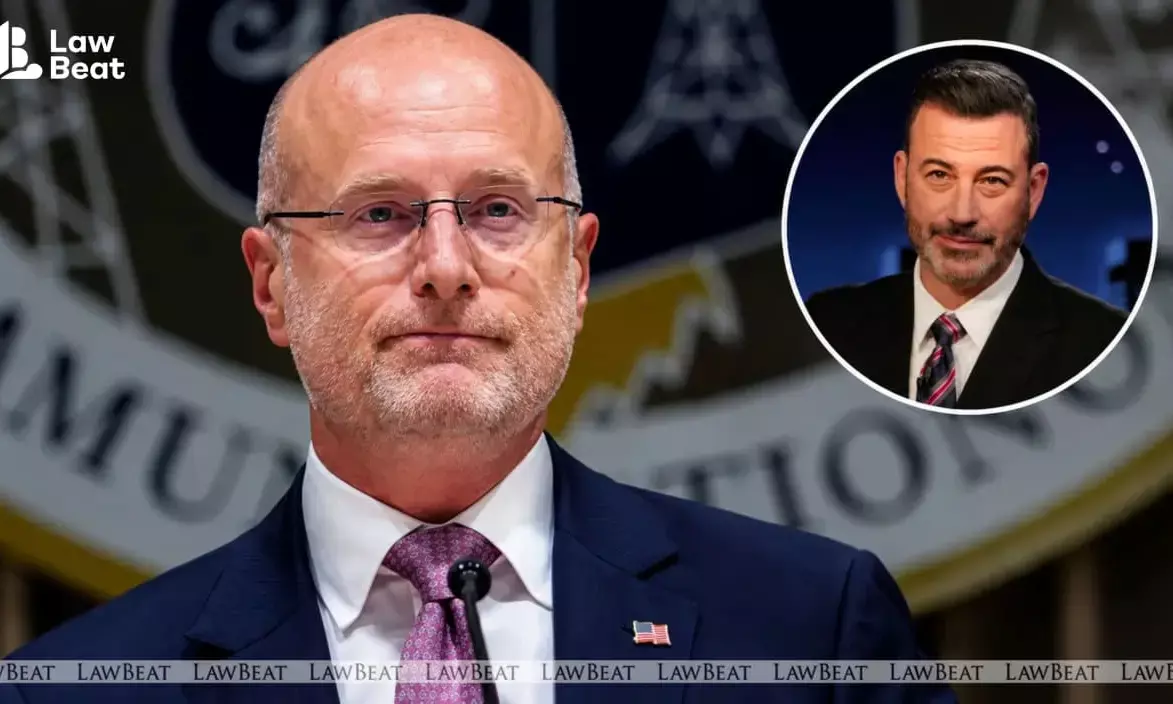
Disney challenges FCC over early review of ABC licences.
The Walt Disney Company, ABC and eight ABC-owned television stations have sued the US Federal Communications Commission (FCC), challenging the regulator’s decision to subject the stations to an unusually early review of their broadcast licences.
In a First Amendment lawsuit filed in the US District Court for the District of Columbia on August 18, Disney and ABC allege that the FCC is using its regulatory powers to retaliate against the network over programming and editorial decisions disliked by the Trump administration. The companies have invoked the First Amendment and asked the court to stop the early licence renewal proceedings.
The lawsuit describes the FCC action as part of what ABC calls a “retaliatory campaign” and an “existential threat” to the network. However, those are allegations made by Disney and ABC and have not been established by the court.
Why is Disney challenging the FCC?
The dispute centres on the FCC's April decision requiring Disney's eight ABC-owned stations to submit their licence renewal applications years ahead of their normal schedule. The stations' licences were not otherwise scheduled for renewal until 2028 at the earliest, with some extending into 2031.
The FCC has said its action is connected to an investigation into whether Disney engaged in unlawful discrimination through its diversity, equity and inclusion policies. The agency has said it has been examining the issue for more than a year. Disney disputes the basis and timing of the regulatory action.
The timing has nevertheless become central to Disney's lawsuit. The FCC ordered the accelerated licence review shortly after President Donald Trump publicly called for ABC late-night host Jimmy Kimmel to be fired following comments that angered him. Trump has also repeatedly criticised ABC's coverage and called for action against its broadcast licences.
Disney argues that the sequence of events shows that the FCC's regulatory actions are being used to pressure ABC over its speech. That remains the company's legal position, rather than a finding by the court.
Where does Jimmy Kimmel fit into the dispute?
Jimmy Kimmel has been a frequent critic of Trump on his ABC late-night programme. Trump's criticism of Kimmel forms part of the broader confrontation between the administration and ABC.
The Disney lawsuit also points to other disputes between ABC and the administration, including the FCC's scrutiny of The View. The agency has been examining whether the programme should be subject to equal-time requirements, while ABC maintains that The View qualifies as a bona fide news programme and is therefore exempt from those requirements.
Disney argues that these regulatory actions, viewed together with public statements by Trump and FCC Chairman Brendan Carr, amount to an effort to influence ABC's editorial decisions. The company says the government cannot condition broadcast licensing on whether it approves of a broadcaster's political coverage or viewpoints.
What does the FCC say?
The FCC has rejected Disney's characterization of the proceedings as political retaliation.
FCC Chairman Brendan Carr has defended the regulator's authority by arguing that broadcasters use valuable public airwaves and therefore have a legal obligation to operate in the public interest. The FCC has maintained that its investigation into Disney's practices is based on legal and regulatory concerns, including allegations of unlawful discrimination.
Court rejects Disney's request for immediate hearing
A federal judge has since rejected Disney's request for an expedited hearing in the case.
US District Judge Loren AliKhan declined to grant Disney's request for immediate relief, with the court directing the parties to complete their legal filings by September 24 and setting a hearing for the week of October 5. The FCC has also agreed to give Disney at least 48 hours' notice before making any decision to refer the licences for a hearing.