
Divorce Cannot Be Granted Solely On WhatsApp Chats Without Evidence: Bombay HC
The Bombay High Court has held that a decree of divorce cannot be granted solely on the basis of WhatsApp chats relied upon to establish cruelty without proper evidence and without giving the other party an opportunity to rebut the allegations.
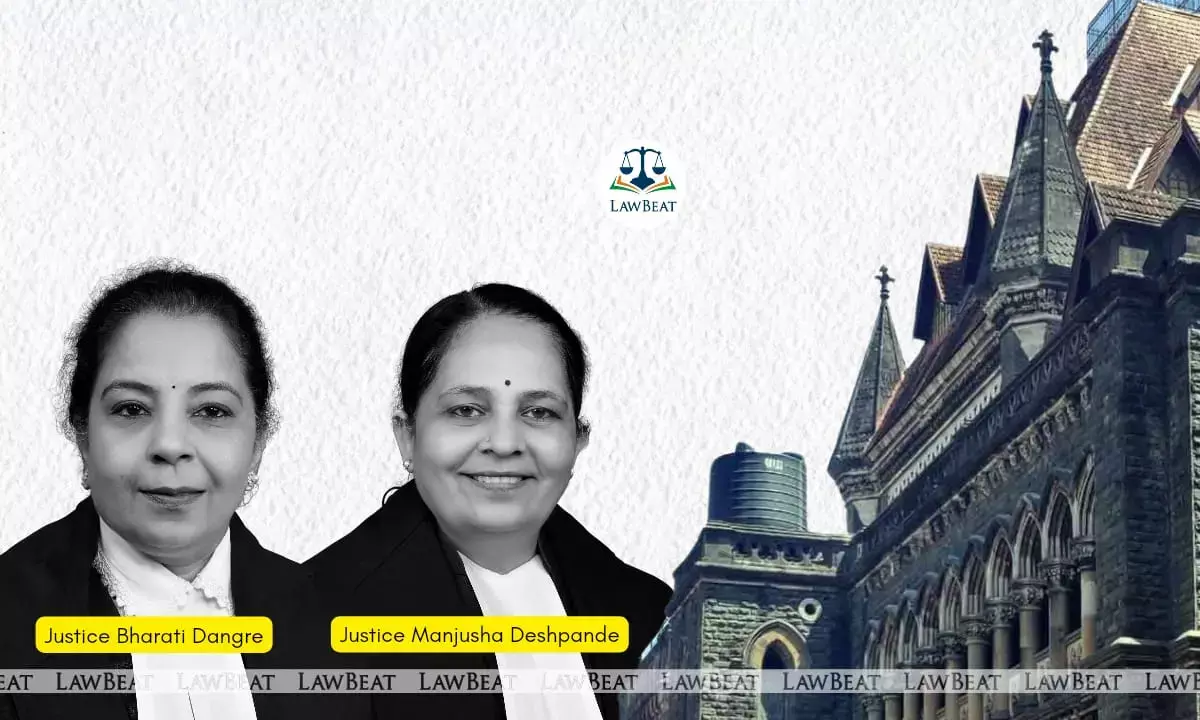
A division bench of Justice Bharati Dangre and Justice Manjusha Deshpande set aside an ex-parte divorce decree passed by the Family Court at Nashik and remanded the matter for fresh consideration, holding that reliance only on WhatsApp messages without giving the wife an opportunity to contest or lead evidence was legally unsustainable.
The Court was hearing a family court appeal filed by the wife challenging the judgment and decree passed by the Family Court, Nashik on 27.05.2025, by which a petition filed by the husband under Section 13(1)(i-a) of the Hindu Marriage Act, 1955 seeking divorce on the ground of cruelty had been allowed ex-parte.
According to the record, the Family Court had relied primarily on WhatsApp chats and SMS exchanges between the parties to conclude that the wife had subjected the husband to mental cruelty.
The Family Court observed that the husband’s testimony remained unchallenged and was supported by electronic conversations showing that the wife had insisted that the couple shift to Pune instead of continuing to reside in Nashik, where the husband’s parents lived.
The Family Court had also taken note of certain allegedly derogatory messages exchanged between the parties, including messages directed at the husband’s sister and mother, to hold that the wife had subjected the husband and his family members to mental cruelty.
Based on these messages, the Family Court concluded that the wife had attempted to pressurize the husband into shifting to Pune and had used emotional pressure and intemperate language.
It observed that a wife insisting on relocating to another city by using pressure tactics and derogatory remarks could amount to mental cruelty and therefore the husband was entitled to a decree of divorce.
However, while examining the impugned judgment, the High Court found that the decree had been passed without granting the wife an opportunity to challenge or rebut the evidence relied upon by the husband.
The bench noted that the Family Court had relied on WhatsApp chats and messages as supporting evidence for the husband’s allegations of cruelty, but the wife had not been given an opportunity to contest or explain the contents of those communications.
The High Court observed that merely relying on WhatsApp chats without proper proof and without allowing the opposite party to challenge the evidence could not justify granting a decree of divorce.
The Court noted that the impugned order proceeded on the basis that the husband’s testimony remained unchallenged and was supported by the electronic chats, but the record indicated that the wife had not been given a meaningful opportunity to rebut the material relied upon by the husband.
The bench emphasized that findings regarding cruelty in matrimonial disputes must be based on evidence led before the court and tested through the process of trial.
In this context, the High Court held that reliance solely on WhatsApp chats and SMS messages, without the opportunity for the wife to contest the evidence and present her own case, was insufficient to sustain a decree of divorce.
The Court therefore concluded that the judgment and decree passed by the Family Court could not be sustained in law.
Accordingly, the High Court set aside the judgment and order dated 27.05.2025 passed by the Family Court, Nashik in the divorce petition.
The bench directed that the matter be remanded to the Family Court for fresh determination of all issues raised in the petition after granting the parties an opportunity to lead evidence.
The Court clarified that the wife must be given an opportunity to contest the allegations and rebut the evidence relied upon by the husband before any finding on cruelty is reached.
The High Court also noted the suggestion made by counsel for the respondent that the parties may attempt to resolve their dispute through mediation.
Accepting the suggestion, the bench observed that the parties would be at liberty to explore the possibility of settlement through mediation during the course of the proceedings before the Family Court.
With these directions, the Family Court Appeal was disposed along with the pending interim application.
Case Title: Supriya Gaurav Devare v. Gaurav Jitendra Patil
Bench: Justice Bharati Dangre and Justice Manjusha Deshpande
Date of Judgment: 27.02.2026