
Father Confined 2 Women After Their Conversion to Islam: Allahabad HC Upholds Release, Stays ₹25 Lakh Compensation
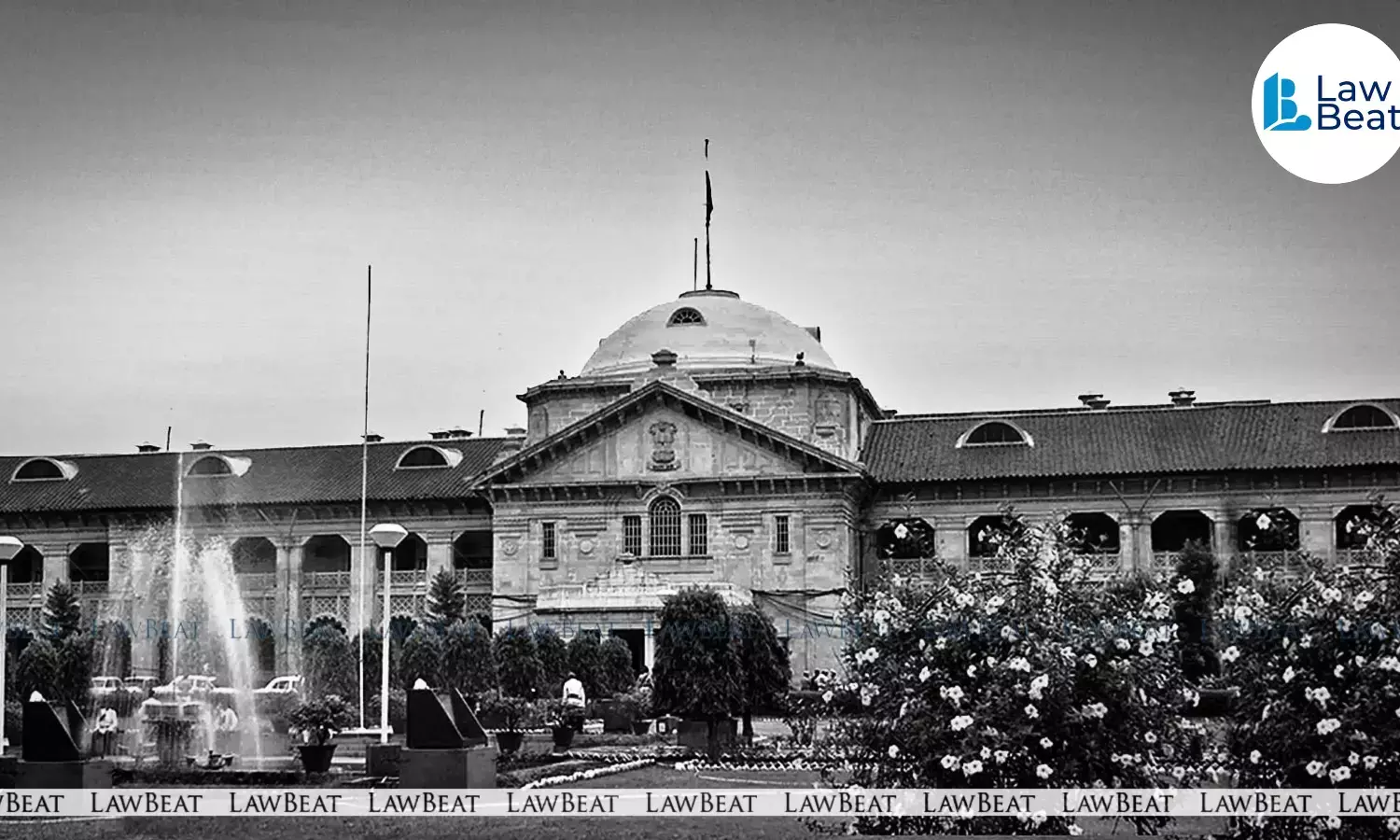
Allahabad HC stays Rs. 25 lakh compensation over alleged confinement of women for Islam conversion.
The Allahabad High Court division bench has stayed a single judge's ₹25 lakh compensation award to two women allegedly confined by their father after their voluntary conversion to Islam, holding that the award had apparently been made without giving the State an opportunity to address the compensation issue.
The division bench of Chief Justice Arun Bhansali and Justice Kshitij Shailendra, however, declined to interfere with the single judge's direction freeing the two adult women from their father's custody.
Voluntary Islam conversion and illegal confinement
In the earlier proceedings before the single judge bench, through a habeas corpus petition, court was informed that the two women, namely Anshu Bhatia @ Amina Anshu Bhatia, stated to be about 35 years old, and Diya Bhatia @ Zoya Diya Bhatia, stated to be about 20 years old, had voluntarily embraced Islam.
Anshu converted her religion in 2020 for mental peace, spiritual fulfilment and inner solace. The petition stated that the conversion was not the result of inducement, coercion, undue persuasion or other extraneous considerations. Diya had embraced Islam in 2021.
Both women stated that their father opposed their conversion and, according to their statements, confined them in the parental home against their wishes. Anshu alleged physical restraint, intimidation and mental harassment; Diya similarly alleged that she was deprived of her liberty because she had chosen a different religion.
The women also stated that their passports, educational certificates, identity documents, bank passbooks, cheque books, conversion-related documents and other belongings remained with their father.
The State, on the other hand, argued that the alleged conversions formed part of a larger organised conspiracy, potentially involving foreign entities, and that releasing the women could prejudice the investigation.
The single judge bench of Justice Sandeep independently interacted with both women and found their responses spontaneous, coherent and unequivocal, with nothing emerging to indicate coercion, fear, inducement or undue influence.
Court, therefore, held that the women had been unlawfully confined and that their detention by their father, in alleged collusion with the State, was without legal sanction.
The single judge bench declared that the two women were free to reside “at any place and with any person of their own choice”, without interference from their father, any other person, or State authorities.
Court also held the father and State jointly and severally liable to pay ₹25 lakh, equally divided between them, within eight weeks. The State could recover 50% from the father and the remaining 50% from any delinquent public servant whose acts or omissions contributed to the deprivation.
The State then filed a special appeal against the August 6 judgment before the division bench.
The division bench noted that the single judge's direction releasing the two women from their father's custody warranted no interference at the interim stage. The bench considered the statements made by the women before the single judge to be sufficient, at this stage, to decline interference with their release.
However, on the issue of Rs. 25 lakh compensation, the division bench found a procedural problem with the award because the State had allegedly not been afforded an opportunity on that issue.
The division bench, therefore, issued notice on the limited aspect of compensation and stayed the compensation award against the appellants pending further orders.
Case Title: State of U.P. and 2 others v. Kunwar Sultan Ali and 3 others
Date: October 9, 2026
Bench: Chief Justice Arun Bhansali and Justice Kshitij Shailendra