
Filing of Chargesheet Alone Not Ground for Automatic Discharge: Madhya Pradesh High Court Sets Aside Home Guard Removal
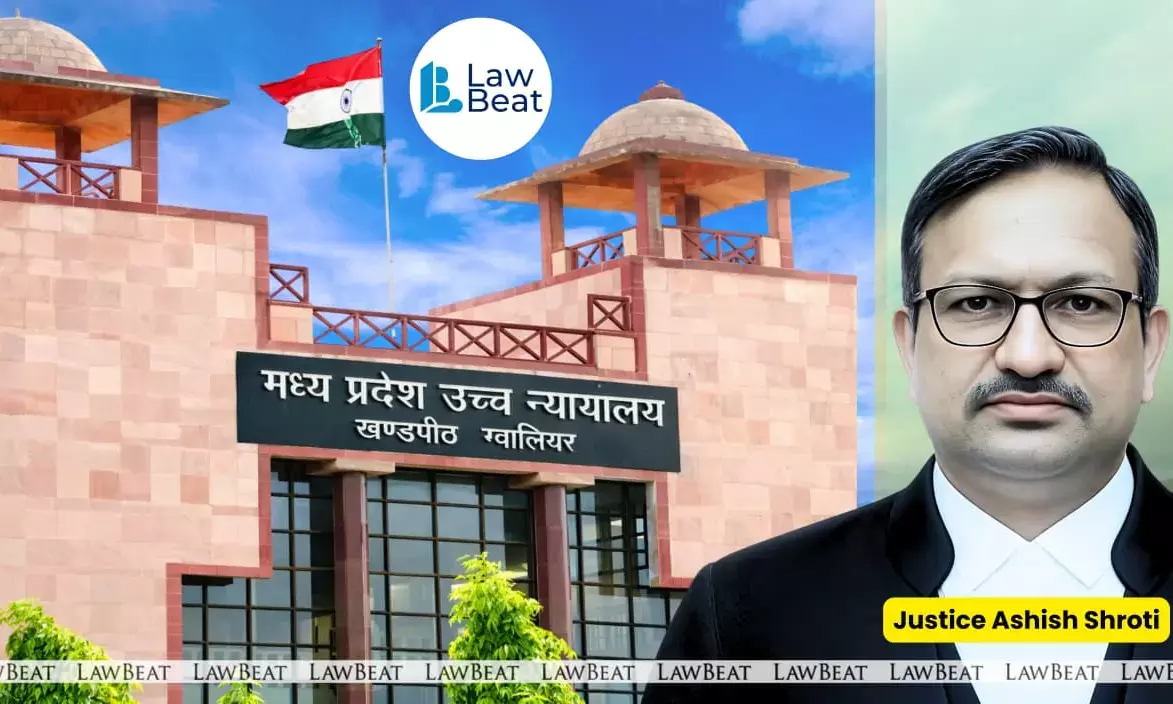
MP High Court Quashes Discharge of Home Guard, Says Authorities Must Examine Gravity of Allegations
The Madhya Pradesh High Court has set aside the discharge of a Home Guard volunteer who was removed from service after a chargesheet was filed against him in a matrimonial dispute case, observing that authorities cannot treat filing of a criminal challan as an automatic ground for terminating service without examining the gravity of allegations and the surrounding circumstances.
A single-judge bench of Justice Ashish Shroti passed the order while allowing a writ petition filed by Hemant Yogi, who had challenged the order dated January 27, 2026 discharging him from service as a Home Guard Sainik posted in the office of the District Commandant at Guna. The petitioner had been discharged after a criminal case was registered against him on the complaint of his wife under Sections 85, 296, 351(3) and 3(5) of the Bharatiya Nyaya Sanhita (corresponding to Sections 498-A, 294, 506 and 34 of IPC) along with Sections 3 and 4 of the Dowry Prohibition Act.
The court noted that the First Information Report was lodged on October 10, 2024 and that the petitioner had duly informed the District Commandant about the registration of the FIR within the time prescribed under Rule 23(f) of the Madhya Pradesh Home Guard Rules, 2016. Subsequently, after investigation, a chargesheet was filed in the criminal case and the trial was stated to be pending before the competent court.
Appearing for the petitioner, advocate Nirmal Sharma argued that the discharge order was punitive in nature and had been passed without giving the petitioner a proper opportunity of hearing. It was further submitted that the allegations arose out of matrimonial disputes and did not involve offences of moral turpitude warranting removal from service. The counsel also contended that although the petitioner had explained the circumstances leading to the registration of the FIR in his reply to the show-cause notice, the authority failed to consider the explanation before passing the impugned order.
Opposing the petition, Government Advocate Sohit Mishra defended the action taken by the authorities, submitting that the discharge had been ordered under Rule 27(2)(f) of the 2016 Rules. According to the State, once a chargesheet is filed in a criminal case against a Home Guard volunteer, the rule permits the competent authority to discharge him without conducting a detailed inquiry.
After hearing both sides and examining the record, the court observed that the impugned order appeared to have been passed by way of punishment under Rule 24 of the Rules, as it referred to the provision relating to premature discharge and also mentioned the right to file an appeal under Rule 26. The bench said that if the order was indeed punitive, the authority was required to examine the explanation submitted by the petitioner and assess the seriousness of the allegations before imposing the extreme penalty of discharge.
The court emphasised that disciplinary authorities must apply the principle of proportionality while deciding punishment in service matters. “While imposing punishment, the District Commandant was required to consider the gravity of the allegations made against the petitioner and the material to prima facie support such charge,” the court observed, noting that the impugned order failed to demonstrate any such consideration.
Referring to established legal principles, the bench reiterated that even in cases where an employee has been convicted in a criminal case, dismissal from service is not automatic and the authority must assess the nature of the conduct involved. In the present case, the court pointed out, the petitioner had not even been convicted and the criminal proceedings were still pending trial.
The court further noted that even if the State’s contention that the discharge was made under Rule 27(2)(f) was accepted, the mandatory procedural requirements had not been followed. The rule requires issuance of a discharge certificate and approval of the higher authority before discharging a Home Guard volunteer. However, no such discharge certificate had been issued in the present case.
The bench also rejected the State’s claim that approval had been granted through a memo of the Deputy Director General of Police. The court said the document merely directed the authorities to take action under the relevant rule and did not reflect any independent consideration of the petitioner’s explanation or the circumstances of the case.
“Once the discharge order needs approval of the higher authority, the necessary implication is that the approving authority is required to apply its mind before granting approval,” the court said, adding that discharge of a Home Guard volunteer cannot be treated as an automatic consequence of filing of a chargesheet.
Holding that the impugned discharge order was not in consonance with either Rule 24 or Rule 27 of the Madhya Pradesh Home Guard Rules, 2016, the High court set aside the order dated January 27, 2026 and remitted the matter to the competent authority for fresh consideration. The authority has been directed to pass a reasoned order within 30 days after taking into account the observations made by the court.
Case Title: Hemant Yogi v. The State of Madhya Pradesh and Others
Date of Order: March 6, 2026
Bench: Justice Ashish Shroti