
Free Speech Can't Be Allowed To Shatter Religious Sentiments: Orissa HC Stays Release Of 'Mahaprabhu Jagannath' Film
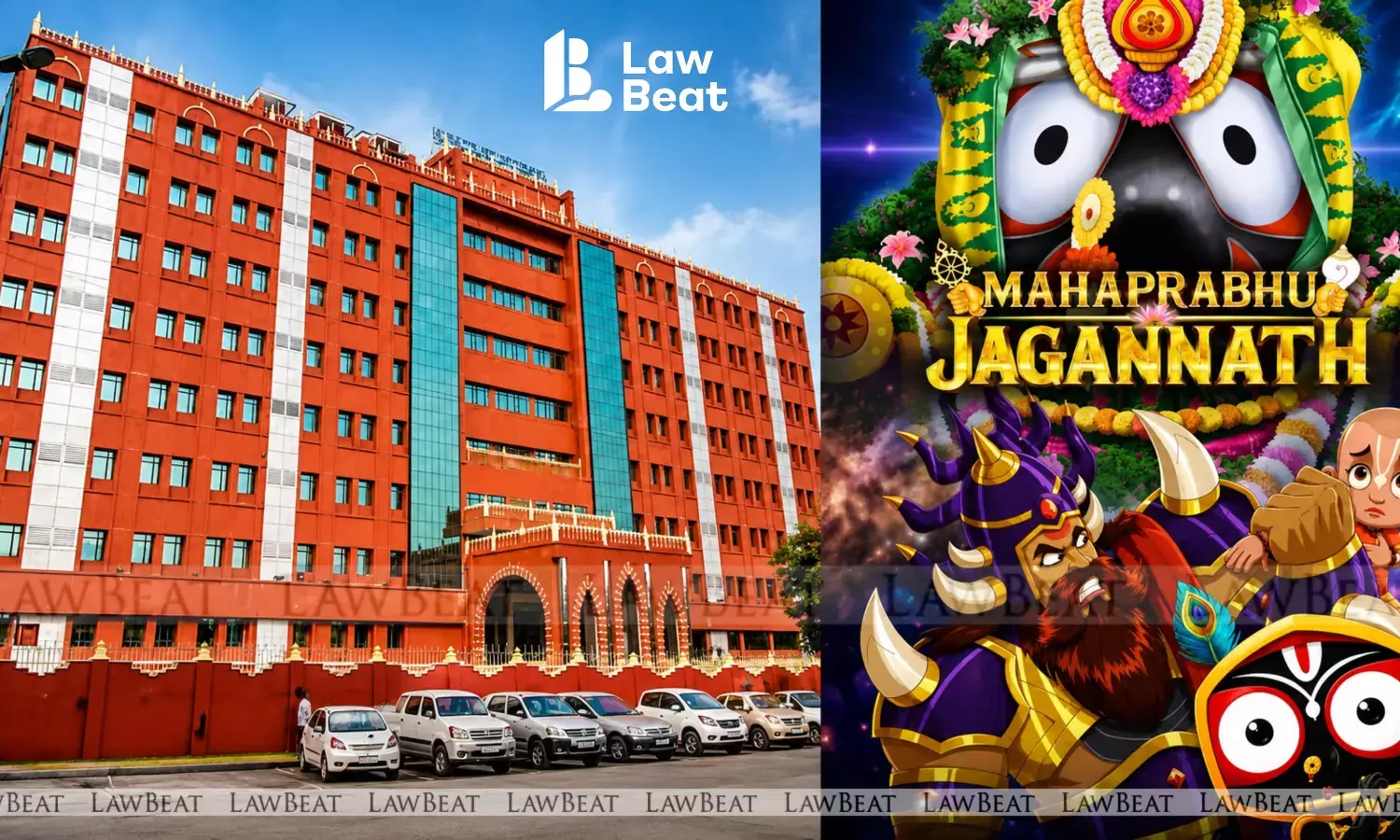
The Orissa High Court restrained the release of the animated film Mahaprabhu Jagannath, observing that freedom of speech cannot be allowed to hurt religious sentiments and disturb public order during the Rath Yatra
Orissa High Court says release during Rath Yatra, despite objections over the film's depiction of Lord Jagannath and without incorporating suggested changes, could be "counterproductive"; holds freedom of expression under Article 19(1)(a) must be balanced with Article 19(2)
The Orissa High Court on July 15 restrained the release of the animated film Mahaprabhu Jagannath, observing that while freedom of speech and expression is constitutionally protected, it cannot be permitted to shatter religious sentiments in a manner that results in unrest in society.
The Court also found that releasing the film during the ongoing Rath Yatra, without incorporating changes suggested after a special screening before the Gajapati Maharaja and the Shree Jagannath Temple Administration, would be ‘counterproductive’.
A Division Bench of Chief Justice Harish Tandon and Justice Murahari Sri Raman passed the interim order on a public interest litigation seeking revocation of the certificate granted to the film by the Central Board of Film Certification (CBFC) and a direction restraining its exhibition in Odisha.
According to the petitioners, Ele Animations Pvt. Ltd. released the teaser of Mahaprabhu Jagannath on June 6, 2026, announcing its theatrical release.
The teaser and the film's content triggered widespread objections from devotees, the Shree Jagannath Temple Administration and others, prompting the producer to organise a special screening before the Gajapati Maharaja of Puri and Temple Administration officials.
During that screening, several objections were reportedly raised regarding depictions said to be inconsistent with established religious traditions, spiritual history and long-standing temple practices.
The producer allegedly assured those present that suitable changes would be made.
The petitioners, however, contended that despite those assurances, the producer announced the film's release on July 17 without making the necessary changes.
They alleged that the animated film misrepresents the culture, rituals, traditions and devotional history associated with Lord Jagannath by portraying fictional childhood episodes, personal adventures and battle sequences involving the deity, depicting Lord Jagannath speaking and behaving in an invented manner, and including narratives allegedly contrary to the Skanda Purana, the Brahma Purana and long-established temple traditions.
According to the petition, such portrayals can harm devotees' religious beliefs and cause public unrest.
Opposing the petition, the producer submitted that the film carried a disclaimer clarifying that it was a fictional story with no connection to historical or religious reality and that it was not intended to undermine devotees' faith.
It further argued that the film was protected by the constitutional guarantee of freedom of speech and expression under Article 19(1)(a), and pointed out that substantial financial investment had already been made in the project.
Considering the rival submissions, the Bench observed that films constitute a powerful medium of expression whose impact must be assessed on the basis of their overall effect on the public, particularly where they concern matters of religious faith.
The Court observed that although films are primarily intended for entertainment, they can significantly influence public thought and action.
It held that while freedom of expression is protected under Article 19(1)(a), that right must be balanced against the reasonable restrictions contained in Article 19(2) of the Constitution.
"Even if the movie enjoins the guarantee of the freedom of expression and/or speech, but it impacted the thoughts and the action of the common people. At times may shatter the sentiments, the emotions and the religious belief, which cannot be allowed, if it results in unrest in the peaceful society."
The Bench also attached significance to the timing of the proposed release. It noted that the producer intended to release the film without incorporating the changes suggested during the screening before the Gajapati Maharaja and members of the Shree Jagannath Temple Administration.
Since the Rath Yatra had commenced on July 16 and a large congregation of devotees was expected, the Court observed that releasing the film on July 17 would be "counterproductive."
It further noted that the alleged objectionable portions of the film identified in the PIL required a detailed examination after exchange of affidavits.
Accordingly, the Court restrained Ele Animations Pvt. Ltd. from releasing Mahaprabhu Jagannath on July 17, 2026 "or thereafter without leave of the Court or until the next date, whichever is earlier."
The matter has been directed to be listed on August 5, 2026, along with the connected writ petition.
Case Title: Mahesh Kumar Sahu and others v State of Odisha and others
Bench: Chief Justice Harish Tandon and Justice Murahari Sri Raman
Next Story