
Gauhati HC Upholds Conviction Of Son For Raping His Mother; Affirms 15-Year Rigorous Imprisonment
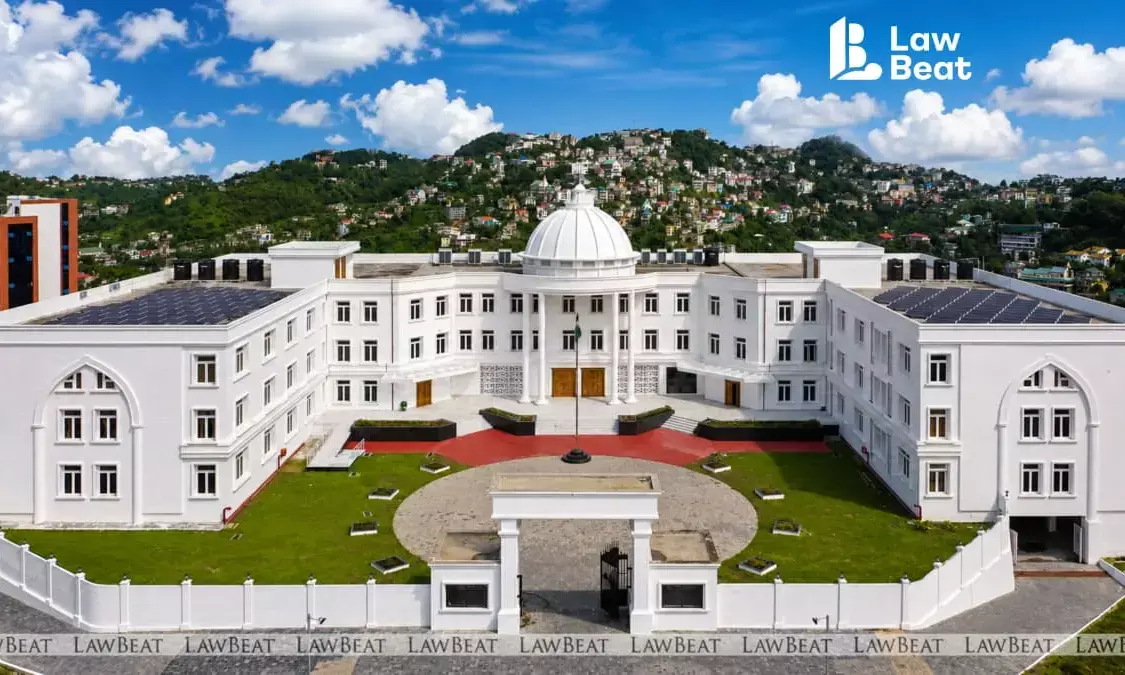
Gauhati High Court upholds 15-Year Jail term for son convicted of raping mother.
The Gauhati High Court (Aizawl Bench) on July 29 upheld the conviction and sentence of a 33-year-old man for raping his own mother and affirmed the 15-year Rigorous Imprisonment awarded to him by the trial court.
In its order, the High Court reiterated that the sole testimony of a rape survivor is sufficient to sustain a conviction if it is found to be truthful and inspires the confidence of the Court.
A Division Bench of Justice Michael Zothankhuma and Justice Budi Habung dismissed the appeal preferred against the judgment of the Additional Sessions Judge-I, Aizawl, which had convicted the appellant under Section 376(2)(f) of the Indian Penal Code and sentenced him to undergo 15 years' rigorous imprisonment.
Before the High Court, the appellant argued that there were discrepancies between the prosecutrix's statement recorded under Section 164 CrPC and her deposition before the Trial Court. He further contended that the prosecution's failure to examine his sister, the first person to whom the prosecutrix disclosed the incident, vitiated the trial.
Rejecting the submissions, the Bench held that it was unable to find any discrepancy between the prosecutrix's testimony and her statement under Section 164 CrPC.
"The testimony of the prosecutrix appears to be truthful and reliable and is corroborated, without any discrepancy" the Court observed.
The Court also noted that the medical evidence corroborated the prosecution's case, with the examining doctor finding a fresh laceration on the victim's labia minora. The testimony of the prosecutrix's neighbour, who described the victim as frightened immediately after the incident and stated that the victim had indicated that her son had raped her, also lent support to the prosecution's version.
The appellant, in his statement under Section 313 CrPC, claimed that he had been intoxicated on the day of the incident and could not remember anything. He also stated that he did not believe he was capable of committing such an act. The Bench held that this explanation did not cast any doubt on the authenticity of the prosecutrix's testimony.
Referring to the Supreme Court's decision in Bhanei Prasad alias Raju v. State of Himachal Pradesh, the High Court observed that incestuous sexual violence destroys the foundational fabric of familial trust and warrants the severest judicial condemnation. It held that those observations would also apply, to a certain degree, where a son commits rape upon his own mother.
Reaffirming the settled legal position, the Court observed: "The evidence of a victim of rape and/or sexual assault is to be considered as equivalent to an injured witness, if not more. Further, conviction can also be made on the sole evidence of a rape victim, provided the Court finds the same to be truthful and inspires the confidence of the Court."
The Bench further observed that there was no reason to believe that the prosecutrix would fabricate a rape allegation against her own son, as doing so would tarnish not only her own reputation but also that of the family in society.
As regards the non-examination of the prosecutrix's daughter, the Court held that it neither vitiated the trial nor caused any prejudice to the appellant since she was not an eye-witness to the incident.
Finding no ground to interfere with the impugned judgment, the High Court dismissed the appeal and affirmed the appellant's conviction and sentence.
Case Title: Sh. Lalzarmawia v The State of Mizoram