
Gauhati High Court Quashes Case Against YouTuber Abhishek Kar Over ‘Tantric’ Remarks on Assam
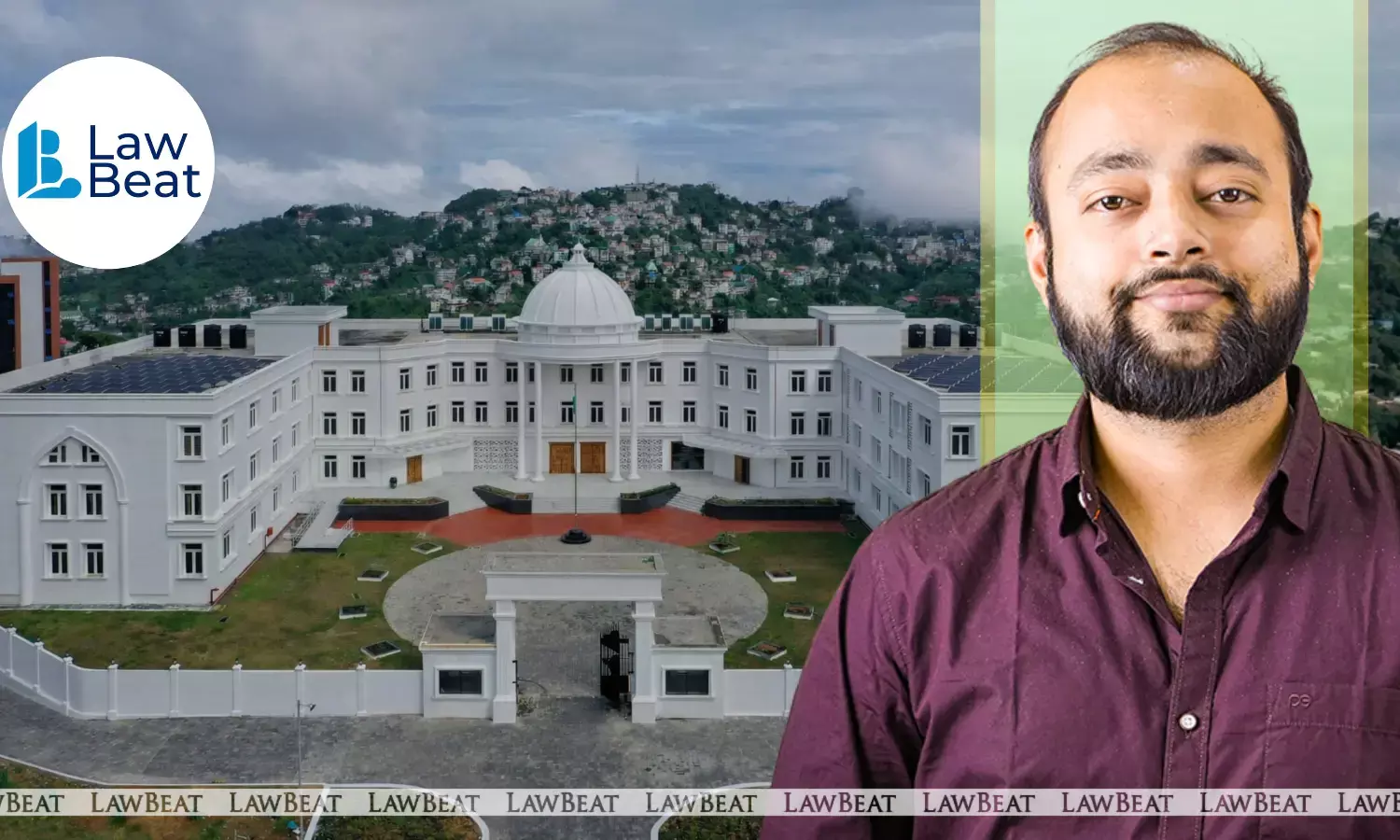
Assam Witch Hunting Law Not Attracted: Gauhati High Court Ends Proceedings in Abhishek Kar Matter
The Gauhati High Court has quashed criminal proceedings against YouTuber Abhishek Kar, holding that his controversial remarks about alleged “tantric practices” in Assam, though provocative, did not attract offences relating to promotion of enmity, public mischief, obscenity or witch-hunting under the law.
In a detailed judgment delivered on February 9, 2026, Justice Pranjal Das ruled that the ingredients of the invoked penal provisions were not made out even if the allegations were taken at face value.
The petition arose from CID Cyber Police Station Case No. 01/2025, registered on the basis of an FIR lodged by Inspector Rakesh Kalita on January 11, 2025. The FIR alleged that during a YouTube interaction hosted by one Ms. Riya Upreti, Kar made derogatory remarks suggesting that in a village in Assam, girls practiced black magic, witchcraft and could transform men into goats and other animals and later re-convert them to establish physical relations.
The police invoked Sections 196(1), 197(1) and 353(2) of the Bharatiya Nyaya Sanhita, 2023 (corresponding to Sections 153A, 153B and 505 of the Indian Penal Code, 1860), along with Section 67 of the Information Technology Act and Section 4 of the Assam Witch Hunting (Prohibition, Prevention and Protection) Act, 2015.
Appearing for the petitioner, Senior Counsel H.R.A. Choudhury argued that the statements, though controversial, neither promoted enmity between communities nor labelled any individual as a witch. It was further submitted that the petitioner had issued an apology once the controversy surfaced.
Additional Public Prosecutor K. Baishya, representing the State of Assam, contended that the remarks tarnished the reputation of Assamese women and were capable of disturbing public harmony.
By the time the quashing plea under Section 528 of the Bharatiya Nagarik Suraksha Sanhita (corresponding to Section 482 of the Code of Criminal Procedure, 1973) was heard, investigation had culminated in Charge-Sheet No. 01/2025 dated September 8, 2025. The court nevertheless examined whether the uncontroverted allegations and the charge-sheet materials disclosed the commission of any offence, relying on settled principles governing quashing jurisdiction.
Justice Das reproduced the statutory provisions and analysed their essential ingredients. With respect to Section 196 BNS (corresponding to Section 153A of The Indian Penal Code, 1860), which penalises promotion of enmity between groups, the court reiterated that the offence requires involvement of at least two distinct communities and the presence of mens rea. Citing precedent, the court observed that “merely inciting the feeling of one community or group without any reference to any other community or group cannot attract” such provisions.
Applying this test, the court held that the petitioner’s statements, though objectionable to many, did not promote enmity between two identifiable groups nor demonstrate intent to generate hatred based on religion, race, language or caste. Similarly, Section 197 BNS (corresponding to Section 153B of the Indian Penal Code, 1860) concerning imputations prejudicial to national integration was found inapplicable, as the remarks did not question the allegiance of any class of persons to the Constitution or sovereignty of India.
On the charge under Section 67 of the IT Act, the court held that the comments did not amount to “obscene material” within the meaning of the provision. As regards the Assam Witch Hunting Act, the court emphasised that Section 4 criminalises identifying or branding a person as a witch. The impugned statement, it noted, did not label any identifiable person as a “Witch” or similar term, nor suggest that such person had the power to harm society at large.
Concluding that the allegations, even if accepted in entirety, failed to satisfy the statutory ingredients of the offences invoked, the court held that “there was no justification for registering the case” and consequently no basis for filing the charge-sheet. The entire proceedings, including Sessions Case No. 180/2025, were quashed.
Case Title: Abhishek Kar v. The State of Assam
Date of Judgment: February 9, 2026
Bench: Justice Pranjal Das