
Govt Bans Advance Tipping On Ride-Hailing Apps; Terms Practice 'Misleading & Unfair'
After Rs 10 Lakh Rapido Penalty, Centre Bans Pre-Ride Tipping Prompts Across Cab Apps
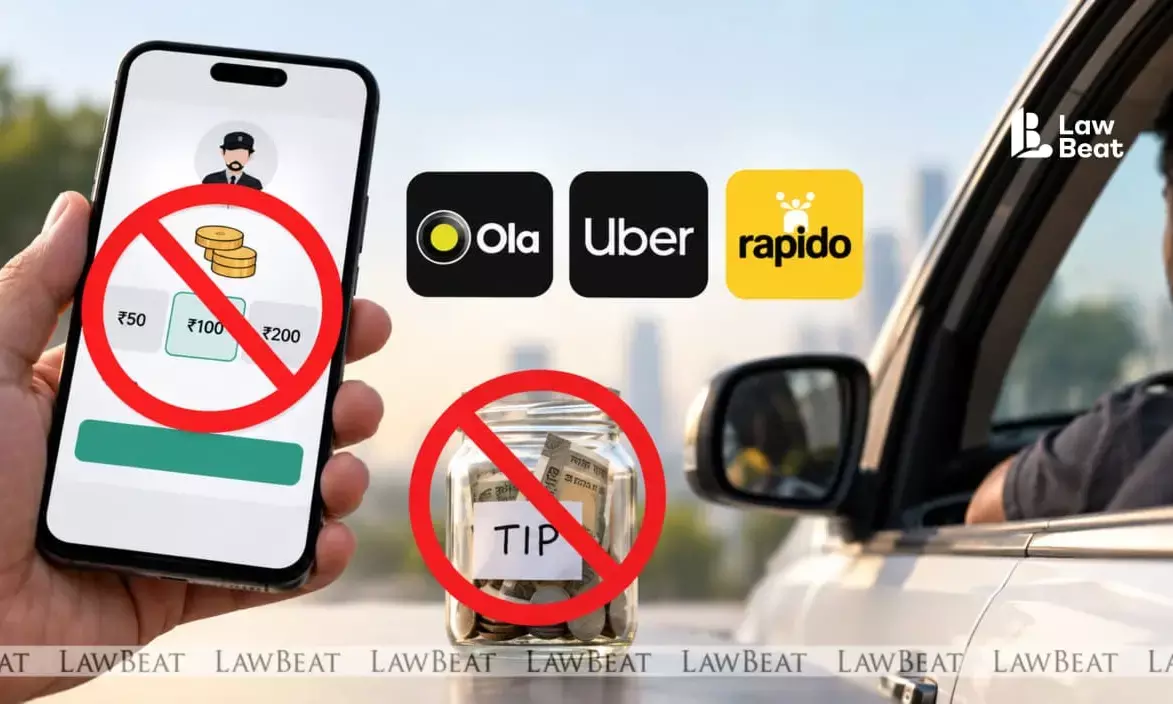
The Central Government has directed cab aggregators to discontinue advance tipping prompts that ask passengers to pay drivers extra before a ride is even confirmed, with Consumer Affairs Secretary Nidhi Khare calling the practice misleading and an unfair trade practice.
The directive follows a day after the Central Consumer Protection Authority (CCPA) imposed a penalty of Rs 10 lakh on Roppen Transportation Services Pvt Ltd, which operates ride-hailing platform Rapido, over a range of practices including prompts that nudged passengers to raise the fare they were willing to pay while their booking was still being processed.
Khare, who also heads the CCPA, said the action was taken after the regulator received complaints through the National Consumer Helpline alleging that cab aggregators were introducing an "advance tip" concept even before a ride began.
"Consumers were basically alleging that actually even before taking the ride, there was a concept of introducing an advance tip," Khare said, adding that passengers were being made to believe that unless they paid the tip, they would not get the ride.
"Now this we found to be misleading and also an unfair trade practice. And after detailed investigation into the matter and also after hearing, we have ordered discontinuation of this kind of built-in mechanism," Khare said.
According to Khare, tipping must remain entirely voluntary and should be a decision passengers make after their ride is completed, rather than a mechanism presented as improving their odds of securing a booking.
Why Was Rapido Fined Rs 10 Lakh?
The CCPA had earlier issued notices to Uber, Ola, Rapido and Namma Yatri, among other platforms, directing them to comply with the Guidelines for Prevention and Regulation of Dark Patterns, 2023. Explaining the basis for the Rapido penalty, the CCPA said its examination found that the platform displayed messages urging passengers to increase their fare while their ride requests were still being processed. The app reportedly showed prompts such as "Higher the price, higher the chance of getting a ride" and "Captains aren't accepting at Rs 60. Try adding +10, +20, +30" even as a booking remained pending.
The regulator also flagged how Rapido's fare algorithm functioned, noting that it first quoted a fare to the rider and, after the rider booked at that price, prompted them to pay more on the ground that drivers were unwilling to accept the original amount.
The CCPA held that such prompts created an impression that passengers needed to pay more to improve their chances of getting a driver, even after they had already agreed to the fare originally quoted to them. It classified the practice as "Confirm Shaming," a dark pattern recognised under the 2023 guidelines.
"The practice was held to constitute 'Confirm Shaming', a dark pattern identified under the Guidelines for Prevention and Regulation of Dark Patterns, 2023, as it creates a sense of urgency and fear of losing the ride if the consumer does not agree to pay more," the authority said.
The CCPA further observed that the fare initially shown to a passenger already accounts for factors such as distance, travel time, traffic conditions, tolls and the amount payable to the driver, leaving no justification for demanding an additional amount for the same journey before the ride had even commenced.
What Happens Next for Uber and Ola?
The government's scrutiny of the sector is not limited to Rapido. Khare confirmed that the business practices of Uber and Ola are also under examination, with investigations into both platforms currently underway.
While the government has made clear that tipping drivers is not being discouraged, it has drawn a firm line on how that choice is presented to consumers. The regulator's position is that any additional payment to a driver must stem from a passenger's own volition after the ride, and not from an interface designed to link payment size to the likelihood of being served.
With investigations into Uber and Ola still pending, the coming weeks may reveal whether similar findings apply across the ride-hailing industry.
Inputs from ET