
Haryana DGP Calls for Criminal Cases Against Singers Promoting Gang Lifestyle
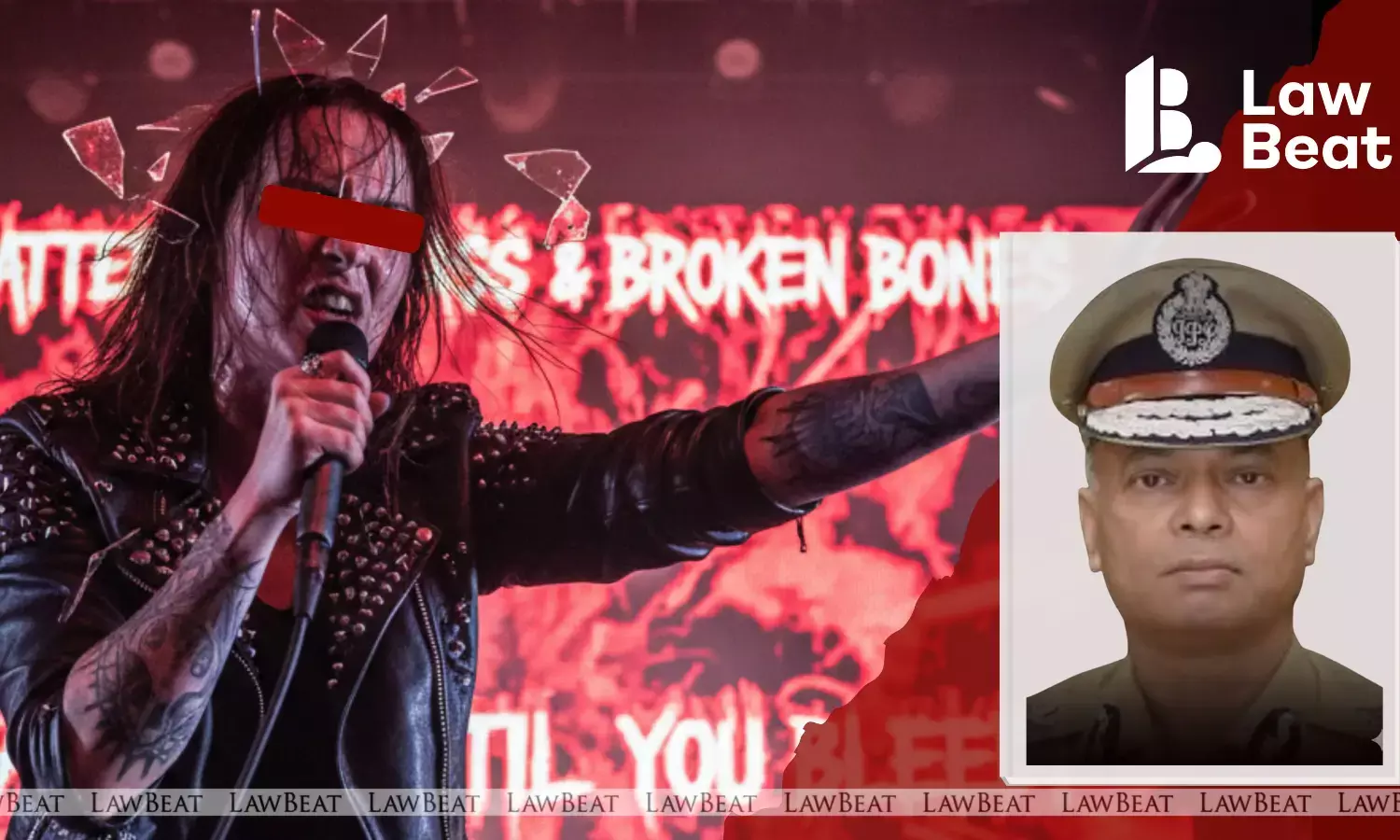
Haryana Cracks Down on Gang-Culture Music; DGP Says Treat Artists as Criminals
Haryana’s police chief O P Singh on Sunday issued a firm directive calling for a crackdown on singers whose music and videos promote gang culture, saying those responsible should be treated as criminals and prosecuted accordingly.
Singh’s instruction signals a significant escalation in how the state intends to address the growing influence of songs and videos that glorify firearms, violence and gangster lifestyles.
According to him, these artistic choices are not mere creative expressions but deliberate portrayals that could legitimise criminality for impressionable young audiences, making stringent action a necessary step. The move forms part of a broader campaign to curb the influence of content that authorities argue poses a serious threat to social order, discipline and the moral foundation imparted to youth.
In his address to senior police officers, including SHOs, DSPs, SPs, DCPs, police commissioners, IGs and ADGP-rank officials, Singh expressed concern over the cultural and behavioural shifts that such content could trigger. He emphasised that artists promoting gang lifestyles risk eroding the values imparted to young people by their parents, teachers and society at large.
Calling attention to the speed with which digital content circulates, he remarked that these songs and videos can, “in a matter of minutes,” undo years of upbringing and education. His remarks underscored the intensity with which the police leadership views the issue, framing it as not only a law-and-order challenge but a social one that could shape attitudes and aspirations of an entire generation.
The directive comes against the backdrop of a sustained effort earlier this year by the Haryana Police to identify and penalise songs allegedly promoting gun culture, inciting violence or fostering hatred. Under this framework, the state’s cybercrime unit has been monitoring social media platforms closely, flagging objectionable content and coordinating with platforms to ensure its removal.
Several such music videos and tracks have already been taken down, indicating that the state’s strategy relies not only on prosecution but on proactive digital surveillance. Officials believe that curbing online visibility is essential because young listeners often encounter these videos through algorithms that amplify sensational or controversial content.
Singh also addressed the growing glamorisation of criminal lifestyles, cautioning that framing gangsters as “folk heroes” through lyrical storytelling and stylised videos can normalise violent behaviour. He warned that such portrayals create a distorted sense of fame, portraying individuals involved in crime as figures of admiration instead of accountability.
According to him, this distortion contributes to a culture in which possessing weapons or showcasing a defiant attitude becomes aspirational rather than condemnable. He urged officers to examine not just the artists but the entire ecosystem supporting them, those funding their projects, supplying weapons for videos, providing shelter or logistical support, or amplifying their work online.
This fresh directive dovetails with the ongoing anti-crime initiative Operation Trackdown, launched by the state police on November 5, 2025.
The initiative is one of the most extensive crackdowns undertaken in recent years. According to official figures, it has so far resulted in the arrest of 1,439 notorious and wanted criminals, along with 3,127 other accused persons, totalling 4,566 individuals taken into custody. Authorities say that the campaign has disrupted organised crime networks across districts and thwarted planned “heinous crimes” including murder, attempted murder and other violent offences.
Police officials claim that these interventions may have saved about 60 lives, illustrating the tangible impact of coordinated policing.
While commending the efforts of police teams involved in Operation Trackdown, Singh underlined that the rule of law must remain paramount in a democratic system. He urged officers to pursue the cases filed during the operation with consistency and vigilance, ensuring that prosecutions under statutes such as the Arms Act are thorough and effective.
He stressed that offenders must realise that brandishing firearms, glamorising criminality or associating with gangs carries severe legal consequences that extend beyond social media notoriety.
The directive marks a widening of the state’s approach to dealing with criminal influence. Instead of restricting action to conventional offenders, the police are now turning their attention to cultural content that contributes to a pro-crime mindset.
The explicit targeting of singers and content creators represents a significant intensification of Haryana’s efforts to curtail what it describes as the “corruption of youth” through violent popular culture, signalling that the state considers cultural messaging as influential as direct criminal activity.
How aggressively the Haryana Police moves forward with investigations, and how these measures interact with debates on artistic freedom and censorship, remains to be seen. For now, the state’s position reflects a clear belief that protecting public order and the value system of the youth requires drawing firm boundaries around what kind of content gains legitimacy and reach.
Source: Treat singers promoting gang lifestyle through music, videos as criminals: Haryana DGP O P Singh