
J&K HC Quashes PSA Detention Of Man Booked Over 'Derogatory' Lord Rama Remarks, Mocking Karwa Chauth
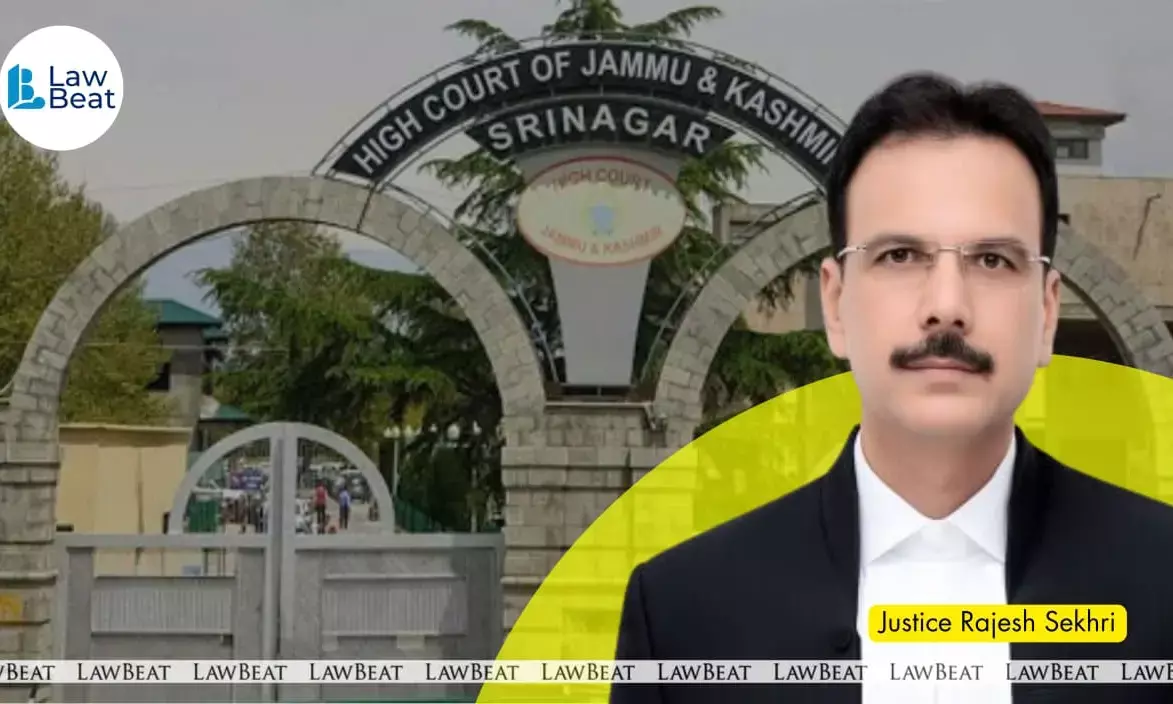
J&K High Court Quashes PSA Detention Of Man Accused Of Derogatory Remarks Against Lord Rama
The Jammu & Kashmir and Ladakh High Court on August 29 quashed the PSA detention of Pardeep Ambedkari, who was accused by the authorities, inter alia, of making 'derogatory' remarks against Lord Rama and sharing a video allegedly mocking Hindu women observing Karwa Chauth.
The Court held that an unexplained 38-day delay in passing the detention order had severed the required "live and proximate link" between his alleged activities and the need for preventive detention.
Justice Rajesh Sekhri also found that a crucial pre-arrest bail order granted to Ambedkari had not been placed before the detaining authority.
The Court held that this prevented the authority from properly applying its mind and infringed Ambedkari's right to make an effective representation under Article 22(5) of the Constitution.
The Court accordingly allowed Ambedkari's habeas corpus petition, quashed the detention order and directed the authorities to immediately release him, provided he was not involved in any other offence.
What were the allegations against Ambedkari?
The Senior Superintendent of Police, Kathua, submitted a detention dossier on October 30, 2025, citing four FIRs and two DDR entries against Ambedkari. The FIRs cited offences under various provisions of the Bharatiya Nyaya Sanhita, while the dossier also referred to the two DDRs registered at Kathua police station.
The sponsoring authority alleged that Ambedkari was a history-sheeter who had been delivering inflammatory and provocative speeches and circulating provocative video clips through social media.
It alleged that his activities promoted enmity on religious and caste lines, spread hatred and threatened communal harmony and public order.
The detaining authority specifically referred to allegations that Ambedkari had made derogatory comments against Lord Rama and had shared a video on Facebook in which he allegedly mocked Hindu women observing Karwa Chauth.
According to the detention order passed under the Public Safety Act, 1978, such activities were prejudicial to public order and could provoke disharmony and violence.
The High Court, however, was examining the legality of the preventive detention process and did not record a finding that these allegations were proved.
38-day delay in passing detention order
The SSP recommended Ambedkari’s detention on October 30, 2025. The District Magistrate, Kathua subsequently passed the detention order on December 8, 2025.
The High Court found an unexplained delay of 38 days between the recommendation and the passing of the detention order.
The Court referred to the settled principle that an unreasonable and unexplained delay in preventive detention can vitiate the detention order because there must remain a "live and proximate link" between the grounds of detention and the purpose of detention.
Applying that principle, the Court held: "There is no doubt that there is unexplained delay of 38 days on the part of the detaining authority in making the impugned order of detention from the date SSP, Kathua sponsored and recommended detention of the petitioner, which undoubtedly severed the "live and proximate link" between his alleged criminal activities of the past and the imperative need to detain him now".
The Court further noted that neither the respondents' counter-affidavit nor the detention record provided an adequate explanation for the delay.
Pre-arrest bail order not placed before detaining authority
The Court found another independent defect in the detention process. Ambedkari had been granted pre-arrest bail by the High Court on December 4, 2025, in the last FIR attributed to him. The preventive detention order was passed only four days later.
However, the High Court found that its bail order, as well as the relevant record concerning the opening of Ambedkari’s history sheet, had not been placed before the detaining authority.
The Court noted that while granting pre-arrest bail, it had expressly recorded that "there appears to be no necessity of the petitioner/accused in custody in connection with investigation in the FIR."
The High Court held that when a person has already been granted bail on the same allegations, the detaining authority must consider whether the conditions imposed in the bail order were sufficient to prevent his alleged activities before resorting to preventive detention.
Detention four days after bail 'colourable exercise of power'
Justice Sekhri found force in the argument that the timing of the detention order, just four days after the grant of pre-arrest bail, suggested a "colourable exercise of power" intended to circumvent the effect and consequence of the bail order.
The Court further held that concealing the bail order deprived the detaining authority of relevant material necessary to form a legally sound subjective satisfaction.
"Concealment of vital fact of a bail order by the sponsoring authority from the detaining authority, invalidates preventive detention order for the simple reason that this omission not only disables the detaining authority from making a legally sound “subjective satisfaction”, but also violates constitutional rights of the detenue" it remarked.
The Court further observed: "If sponsoring authority suppresses the fact that accused was released on bail in a previous case or in the same case the resulting detention order is rendered illegal and is liable to be quashed."
The Court held that the omission also violated the detenue’s constitutional right to make an effective representation.
PSA detention quashed
Considering the defects cumulatively, the High Court concluded that the detention order could not be sustained in law. The Court held: "Viewed from any angle the impugned order does not sustain in the eyes of law."
It therefore allowed the petition and quashed the PSA detention order, directing Ambedkari’s immediate release unless he was involved in another offence.
Case Title: Pardeep Ambedkari v. UT of Jammu and Kashmir And Ors
Date of Judgment: August 29, 2026
Bench: Justice Rajesh Sekhri