
Karnataka High Court Quashes Police Notice Barring Speakers at Hindu Sammelana
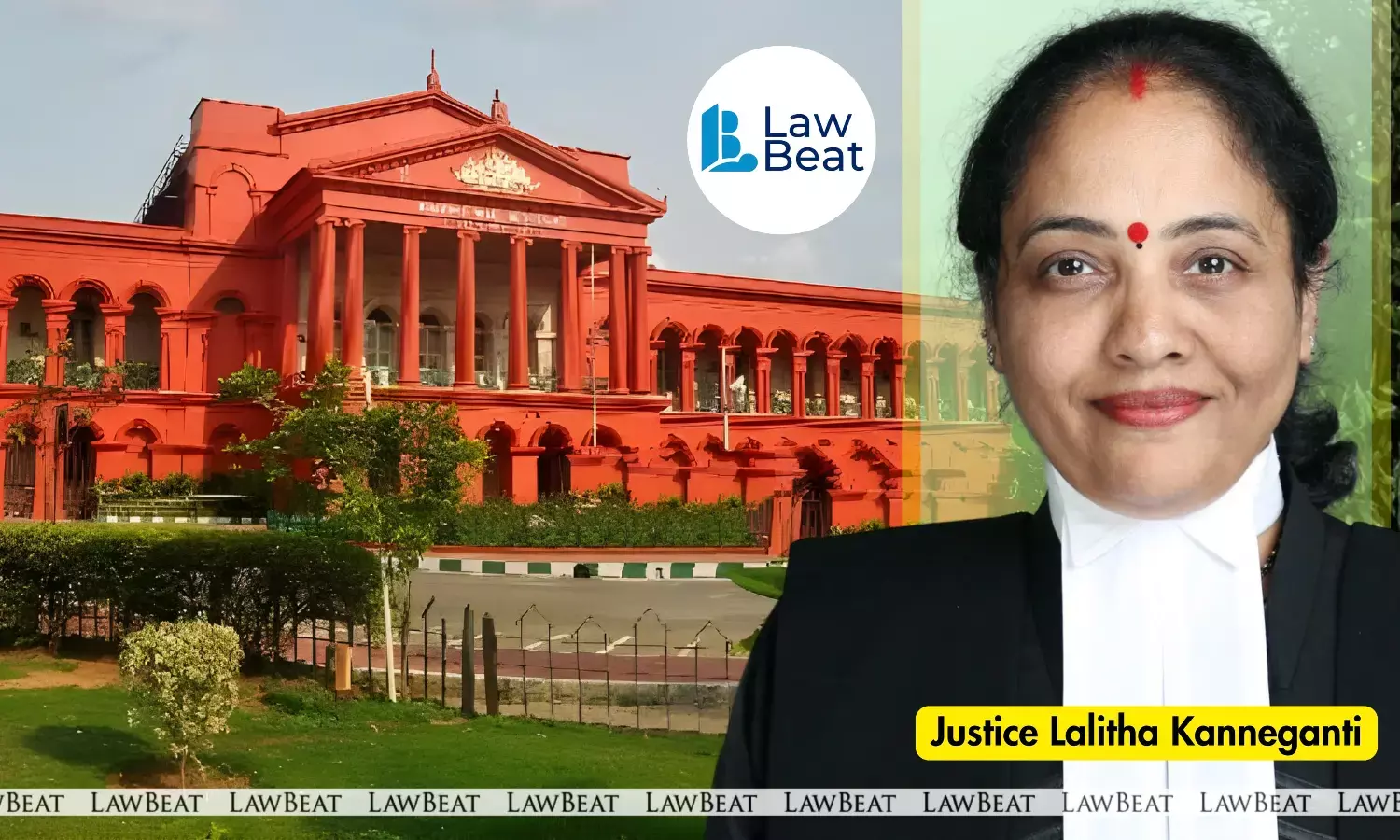
Karnataka High Court quashes Belagavi police ban on Hindu Sammelana speakers
The Karnataka High Court has set aside police notices issued by authorities in Belagavi prohibiting two speakers from addressing gatherings organised under the banner of “Hindu Sammelana,” holding that the police cannot arbitrarily curtail citizens’ fundamental rights merely on the basis of apprehensions unsupported by reasons or material.
Justice Lalitha Kanneganti, while disposing of two connected writ petitions, held that the impugned notices were bereft of reasons and violated the principles governing reasonable restrictions on freedom of speech and peaceful assembly.
The writ petitions were filed by two unregistered organisations, Hindu Sammelana Samithi, Belagavi, represented by their respective office bearers. The petitioners had approached the Assistant Commissioner of Police seeking permission to hold Hindu Sammelana programmes on February 6 and February 8, 2026, at different locations in Belagavi. The organisers had also sought permission for Kumari Harika Manjunath and Sri Mithun Chakravarthy Devidas Shet, also known as Chakravarthy Sulibeli, to address the gatherings.
However, the police issued notices dated January 22, 2026, rejecting the requests and prohibiting the participation of the proposed speakers. The notices cited registration of criminal cases against the speakers and stated that permitting them to address the gatherings could give rise to law and order issues. Aggrieved by the prohibition, the organisers approached the High Court seeking quashing of the notices and a direction to permit the programmes.
Senior Advocate Aruna Shyam, appearing for the petitioners along with Advocate Suraj S. Mutnal, contended that the impugned notices, though styled as notices, amounted to orders passed without jurisdiction under the Karnataka Police Act, 1963. It was argued that the police had acted in violation of principles of natural justice by prohibiting the speakers without affording any opportunity of hearing or disclosing material justifying such action. The counsel further submitted that mere registration of cases could not form the basis for denying a person the right to speak, particularly when no untoward incident had occurred during similar programmes addressed by the same speakers in the past.
On the other hand, Additional Advocate General Gangadhar J.M., appearing for the State, submitted that the police action was taken as a precautionary measure in view of previous instances where participation of the speakers had allegedly led to law and order issues. He submitted that the State’s endeavour was to prevent any untoward incident and that the authorities were willing to consider the explanations submitted by the organisers.
After examining the statutory scheme under Sections 37, 39 and 40 of the Karnataka Police Act, the Court observed that while the police are empowered to regulate public assemblies and impose reasonable restrictions in the interest of public order, such powers cannot be exercised arbitrarily. Referring to Article 19(1)(a) and Article 19(1)(b) of the Constitution, the Court reiterated that the right to freedom of speech includes the right to express views at public meetings.
The Court further noted that any restriction on speech must satisfy the test of proportionality and be supported by reasons and material. Relying on the Supreme Court’s decision in Anuradha Bhasin v. Union of India, the Court observed that “just because certain cases are registered against the speakers, that itself cannot be a reason for the police to pass such an order prohibiting them from participating or delivering speech.”
Finding that the impugned notices did not disclose any reasoning or material to justify the prohibition, the Court held that the police could not curtail fundamental rights “based on whims and fancies.” Accordingly, the High Court set aside the notices dated January 22, 2026, and directed the authorities to reconsider the representations seeking permission strictly in accordance with law and the provisions of the Karnataka Police Act.
Case Title: Hindu Sammelana Smithi v. The Commissioner of Police Belagavi and connected matter
Date of Order: February 3, 2026
Bench: Justice Lalitha Kanneganti