
Madhya Pradesh High Court Disposes Plea Seeking Removal Of Liquor Shop Near Temple, Mosque After State Assurance
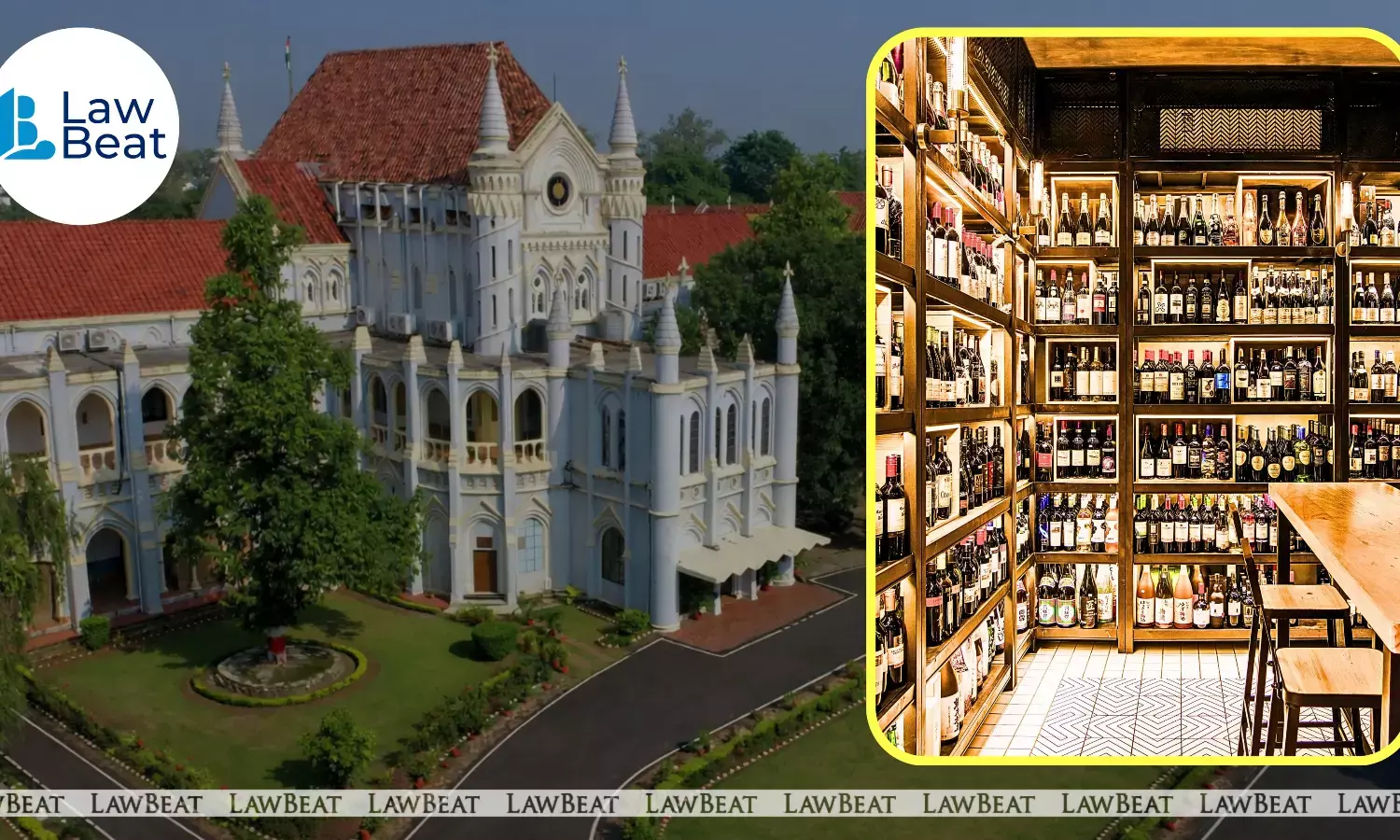
No Immediate Shift of Liquor Vend Near Temple, Says MP High Court; State Assures Policy Compliance
The Madhya Pradesh High Court has disposed of a plea seeking relocation of a liquor shop allegedly functioning near religious places, after the State assured that allotment of liquor vends would strictly comply with the prevailing Excise Policy and any grievance could be raised through a formal representation.
A Division Bench comprising Chief Justice Sanjeev Sachdeva and Justice Vinay Saraf was hearing a writ petition filed by Prahlaad Athnere, who sought a direction to the authorities to shift a liquor shop claimed to be operating in close proximity to a temple, a mosque and a Buddha Vihar. The petitioner contended that the shop was located within the prohibited distance prescribed under the State’s Excise Policy and therefore violated applicable norms.
Appearing for the petitioner, Advocate G.S. Tomar argued that the liquor vend was situated near religious institutions and was contrary to the distance criteria stipulated under the policy framework governing such establishments. He urged the court to intervene and direct relocation of the shop in the interest of maintaining public order and respecting religious sensitivities.
Opposing the plea, Deputy Advocate General Swapnil Ganduly, appearing for the State, disputed the allegation that the shop was operating in violation of the policy. He submitted that due consideration is given in every case to ensure that no liquor vend is opened contrary to the Excise Policy. The State further informed the court that the licence of the existing shop was set to expire on March 31, 2026, and that a fresh Excise Policy for the year 2026–27 would be notified thereafter.
The Deputy Advocate General assured the bench that liquor vends would be strictly allotted in accordance with the prevailing Excise Policy. He also submitted that if there was any infraction of the policy conditions, the petitioner was at liberty to submit a representation to the competent authority, which would be considered in accordance with law.
Recording the statement of the State’s counsel, the bench observed that the assurance given on behalf of the government was sufficient at this stage. “Statement of learned Deputy Advocate General is taken on record and the writ petition is accordingly disposed of in terms of the said statement,” the court ordered.
Case Title: Prahlaad Athnere v. The State of Madhya Pradesh and Others
Date of Order: February 17, 2026
Bench: Chief Justice Sanjeev Sachdeva and Justice Vinay Saraf