
Madhya Pradesh High Court Flags Misuse Of Habeas Corpus In Family Dispute, Imposes Costs
“Family Conundrum” Not Illegal Detention: Madhya Pradesh HC Dismisses Habeas Corpus Plea
The Madhya Pradesh High Court at Gwalior recently dismissed a habeas corpus petition after finding that a deeply personal family dispute had been projected as a case of illegal confinement, while also imposing costs on the petitioner for misusing judicial and police resources.
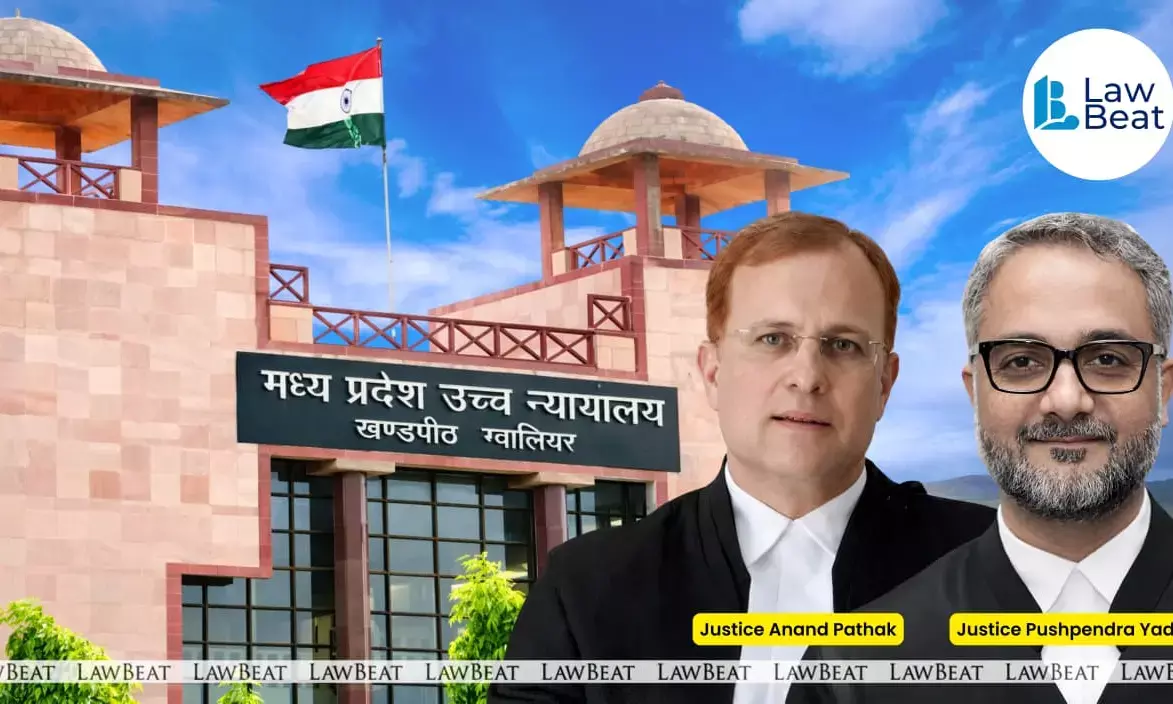
The Division Bench of Justice Anand Pathak and Justice Pushpendra Yadav, in its order dated April 29, 2026, observed that the case reflected a “conundrum” created within the family that unnecessarily consumed the time and energy of authorities.
The petition was filed by Girjashankar Goud alleging that his wife was being illegally detained by respondent no. 4. The matter was presented as a habeas corpus plea, which is ordinarily invoked to secure the release of a person allegedly held in unlawful custody. However, as the proceedings unfolded, the Court found that the dispute was not one of illegal confinement but stemmed from complex and unusual interpersonal dynamics within the family.
During the hearing, the petitioner, his wife, and other concerned individuals were present before the Court. The alleged detenue was also produced by the police, indicating that there was no restraint preventing her from appearing before the Bench. The State was represented by Government Advocate Rajeev Kumar Sharma, while Amit Kumar Goswami appeared for the petitioner.
The Court was informed that the petitioner’s wife had already initiated divorce proceedings under Section 13 of the Hindu Marriage Act, 1955 and had chosen to live with her brother-in-law, Mayaram Viswakarma, who was arrayed as respondent no. 4. Adding another layer of complexity, the wife of Mayaram reportedly expressed a desire to marry the petitioner. The Bench noted that these intertwined relationships had led to a situation where personal grievances were being dressed up as a legal claim of illegal detention.
In a pointed observation, the Court remarked that the family members had “created such conundrum which sapped the energy and valuable time of police authorities,” making it clear that the judicial process should not be invoked to settle private disputes lacking a genuine legal foundation. The Bench underscored that habeas corpus jurisdiction cannot be used as a tool to interfere in consensual personal arrangements or to resolve matrimonial discord.
Recognising the nature of the dispute, the Court indicated that the petitioners ought to be burdened with exemplary costs. At this stage, counsel for the petitioner sought permission to withdraw the petition and requested that the costs be waived. The Bench, however, struck a balance by allowing the withdrawal while still imposing a monetary penalty, signalling that such misuse of process would not go unchecked.
The Court directed the petitioner to deposit a sum of Rs. 1,000 towards costs in the Juvenile Justice Fund, a statutory fund dedicated to the welfare of children, within ten days from the date of receipt of the certified copy of the order.
Ultimately, the petition was dismissed as withdrawn with costs, bringing the proceedings to a close.
Case Title: Girjashankar Goud v. The State of Madhya Pradesh and Others
Date of Order: April 29, 2026
Bench: Justice Anand Pathak and Justice Pushpendra Yadav