
Madhya Pradesh High Court Revives Appeal, Tells Advocate To Spend One Hour Time At Mercy Home Within A Month
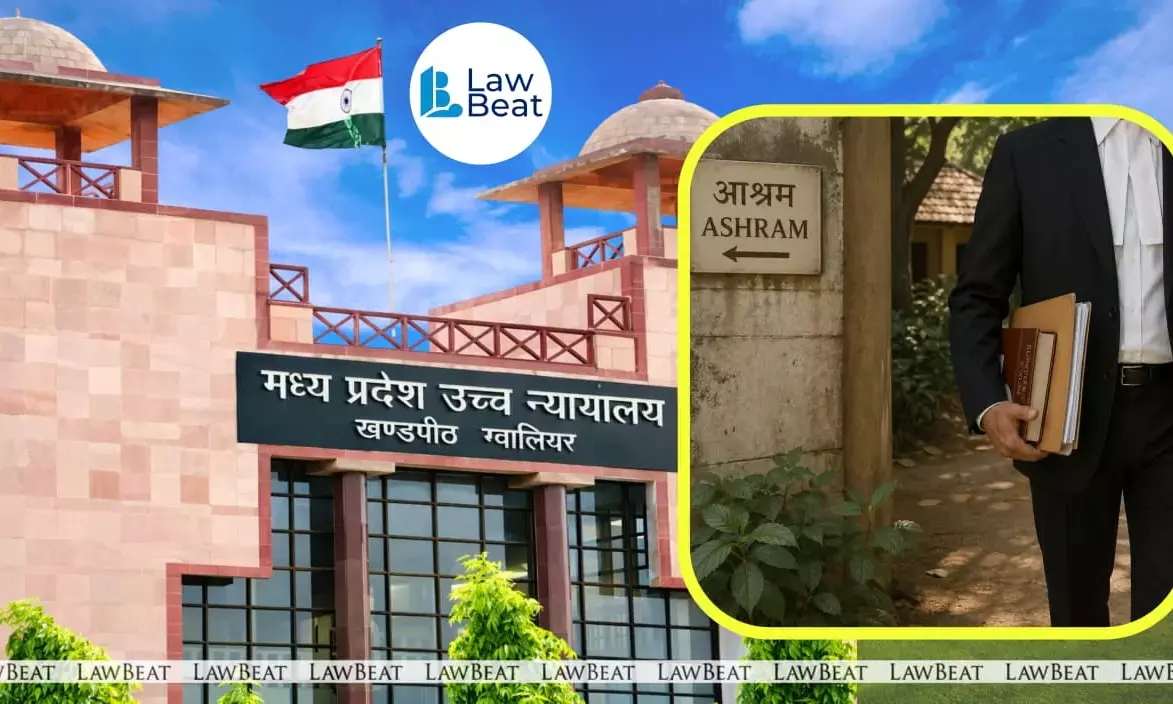
Madhya Pradesh High Court Restores Appeal, Encourages ‘Social Audit’ via Mercy Home Visit
The Madhya Pradesh High Court has delivered a notable order blending procedural relief with a broader social message, restoring a writ appeal while encouraging a voluntary act of community engagement to advance what it described as a “test case” for social audit.
In doing so, the Court signalled that justice need not remain confined to courtrooms but can extend into meaningful societal participation.
The Division Bench of Justice Anand Pathak and Justice Pushpendra Yadav was dealing with an application seeking restoration of a writ appeal that had earlier been dismissed due to non-compliance with a conditional order.
The applicant, Abdhesh Sharma, through counsel Anand Purohit, submitted that the failure to comply was inadvertent and bona fide. Accepting this explanation, the Court underscored a settled legal principle that litigants should not suffer for the fault of their counsel, observing that the reasons assigned “appear to be genuine and bona fide.”
Relying on precedents including M.K. Prasad v. P. Arumugam, the Bench allowed the restoration application, reiterating that procedural lapses should not defeat substantive justice where intent is not mala fide. The order reflects a consistent judicial approach that balances procedural discipline with fairness, ensuring that access to justice is not denied on technical grounds alone.
What distinguishes this order, however, is the Court’s innovative suggestion accompanying the relief. The Bench proposed that the applicant and counsel spend one hour at a mercy home in Gwalior, bringing along food items worth Rs. 2,500 and engaging with the inmates. The Court clarified that this was not punitive, stating expressly that “the said suggestion is not punitive in nature and compliance of it is at the discretion of counsel for the applicant.”
In a notable gesture, counsel readily accepted the suggestion, undertaking to visit the institution, spend time with its residents, and contribute modestly towards their welfare. The Court appreciated this response, expressing hope that such engagement would “bring smile on their face” and “satisfy their soul,” while also conveying to vulnerable groups that society continues to care for them.
The Bench went a step further by conceptualising the initiative as part of a broader framework of “social audit.” It described the present case as a “test case to give concept of ‘Social Audit’ a chance to gain grounds,” urging responsible members of society, including professionals such as lawyers, doctors, and chartered accountants, to periodically visit institutions like orphanages, old age homes, and rehabilitation centres.
The Court articulated a dual purpose behind such visits. First, they would sensitise society to the lived realities of marginalised groups, fostering empathy and encouraging contributions towards improving their conditions. Second, they would act as an informal oversight mechanism, deterring mismanagement or mistreatment within such institutions.
The Bench cautioned that management bodies “sometimes misbehave or cause mischief to the inmates,” particularly vulnerable populations like children and women, and that regular societal interaction could help ensure accountability.
Recognising the potential systemic impact, the Court called upon policymakers, including departments dealing with women and child welfare, social justice, and policing, to develop tangible frameworks for implementing social audit mechanisms. This reflects a judicial push towards participatory governance, where citizens play an active role in monitoring welfare institutions.
As part of the directions, the Court required the applicant’s counsel to submit a report within one month detailing the visit, experiences, and suggestions for improvement. The restoration of the writ appeal was made subject to this compliance, thereby integrating accountability into the process.
The order ultimately restores the writ appeal to its original number, ensuring that the applicant’s case proceeds on merits. At the same time, it introduces a humane dimension to judicial functioning, demonstrating how courts can nudge stakeholders towards constructive social engagement without resorting to coercive measures.
Case Title: Abdhesh Sharma v. The State of Madhya Pradesh and Others
Date of Order: April 20, 2026
Bench: Justice Anand Pathak and Justice Pushpendra Yadav