
Madras HC Quashes Charge Sheet Against 8 Over 2022 Public Protest Against Karnataka Hijab Ban
Peaceful Protest Constitutionally Protected, ‘Mere Protest’ Cannot Attract IPC Charges: Madras HC
The Madras High Court on August 20 quashed the charge sheet against eight persons accused in connection with a 2022 public protest against the Hijab ban imposed on Muslim female students in Karnataka, holding that “mere protest” is insufficient to attract offences relating to unlawful assembly, wrongful restraint and promoting enmity.
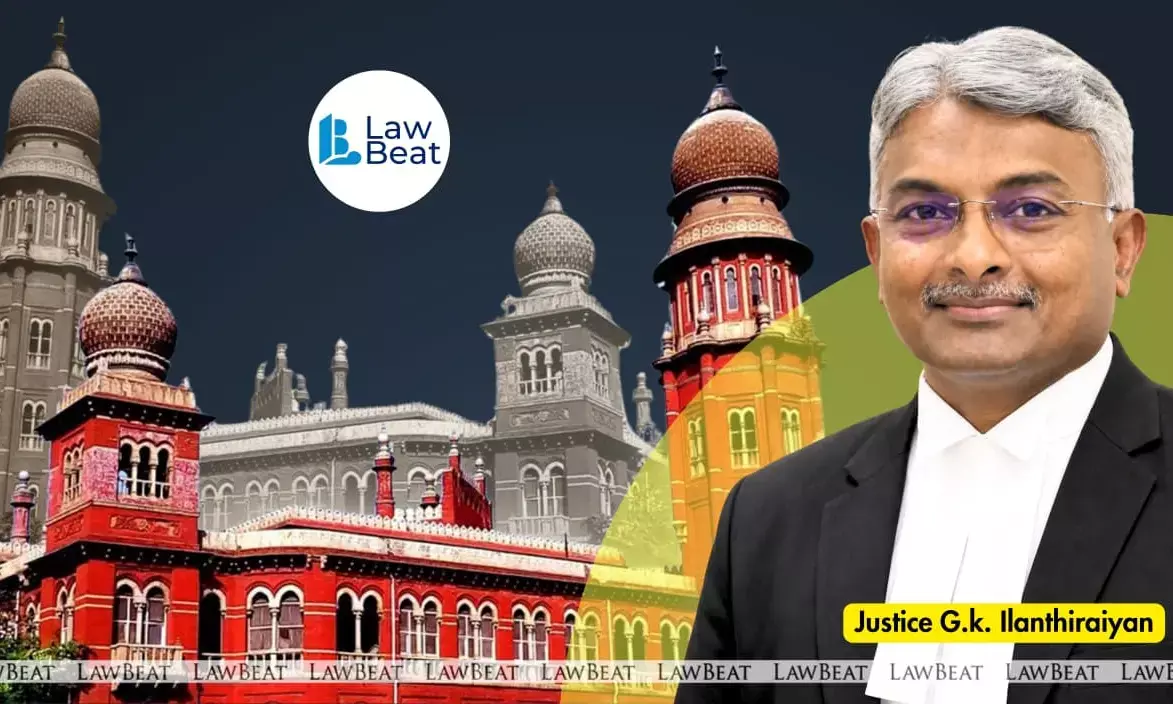
Justice G.K. Ilanthiraiyan allowed the criminal original petition and quashed the charge sheet in the case registered at Selvapuram Police Station, Coimbatore, insofar as the 8 petitioners were concerned.
Case arose from protest against Karnataka Hijab ban
According to the prosecution, on March 26, 2022, the petitioners and others affiliated with the Tamil Nadu Muslim Munnetra Kazhagam assembled at Selvapuram, allegedly blocked the road, raised slogans and staged a protest against the Karnataka Hijab ban.
The prosecution also alleged that inflammatory speeches were delivered during the protest. A case was consequently registered under Sections 143, 341 and 153 IPC.
The petitioners approached the High Court under Section 528 of the BNSS, seeking quashing of the charge sheet. They maintained that they were innocent and that the allegations did not make out the offences alleged against them.
The State opposed the petition, submitting that investigation was almost complete and that the police had filed a final report, which had already been taken cognisance of by the trial court.
Court examines ingredients of unlawful assembly
The High Court referred to the definition of “unlawful assembly”, which requires an assembly of five or more persons to have one of the specified common objects, including using or showing criminal force against the Government or a public servant, resisting execution of law, committing an offence, or using criminal force to interfere with another person's rights.
Applying this test, the Court found that the material did not show that the accused had used criminal force to commit mischief or an offence, take possession of property, or interfere with another person's rights. The Court therefore held: “Mere protest is insufficient to attract the charges under Sections 143, 341 and 153 of IPC.”
The High Court further relied on the constitutional protection available to peaceful assembly and expression. It observed: "It has been held by a catena of decisions of the Hon’ble Supreme Court of India that the right to freely assemble and to freely express one’s view are constitutionally protected under Part III and their enjoyment can be restricted only in a reasonable manner."
The Court consequently found that continuation of the criminal proceedings against the petitioner could not be sustained.
While considering its power to quash criminal proceedings, the High Court referred to the Supreme Court's decision in State of Haryana v. Bhajan Lal, including the principle that proceedings can be quashed where the allegations, even if accepted at face value, do not prima facie constitute an offence, or where the uncontroverted allegations and material collected do not disclose commission of an offence.
The Court also noted that although the power to quash proceedings must be exercised cautiously, compelling an accused to undergo a trial where the materials do not disclose an offence would be futile and would infringe the person's rights.
The High Court ultimately allowed the petition and quashed the impugned charge sheet pending before the Judicial Magistrate No.V, Coimbatore, insofar as the petitioners were concerned.
Case Title: Abbas @ Bag Abbas And Ors v. The State
Date of Order: August 20, 2026
Bench: Justice G.K. Ilanthiraiyan