
Meta To Report Child Safety Cases Directly To India’s Cybercrime Portal
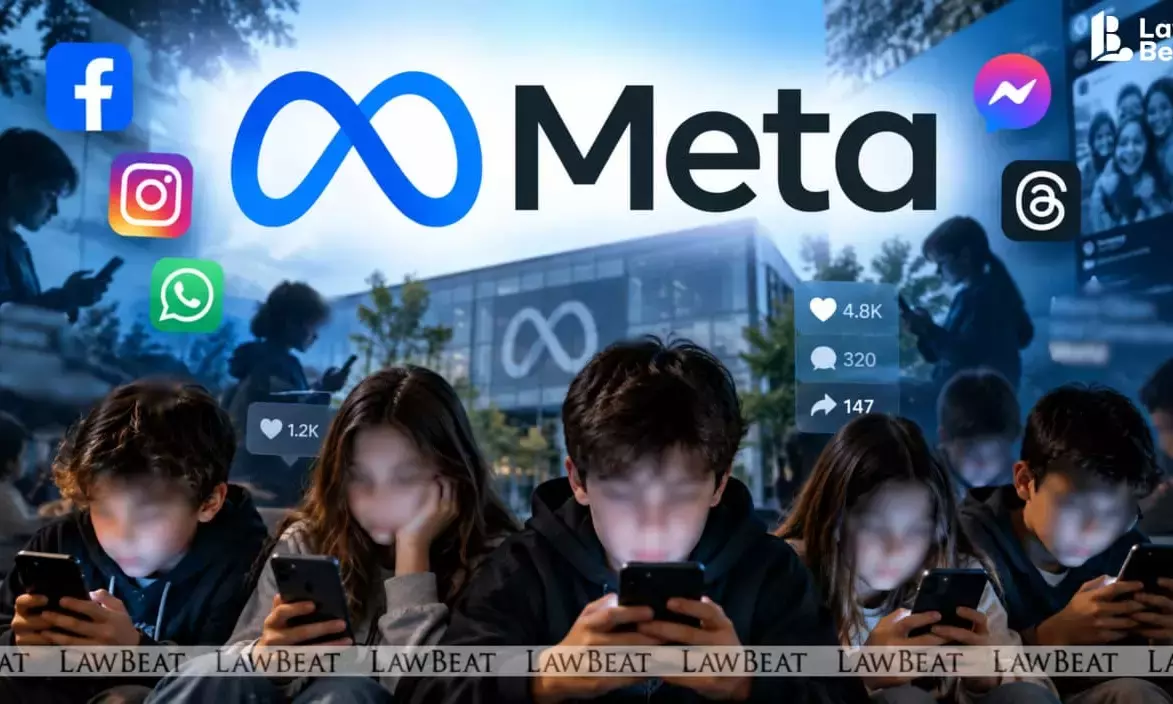
Meta agrees to directly report child safety cases to Indian authorities.
Meta has agreed to directly report child safety-related cases to India’s cybercrime authorities, in a significant shift in its cooperation with Indian law enforcement agencies as the Centre intensifies scrutiny of social media platforms over child sexual abuse material and other harmful online content.
The company will now report such matters to the cybercrime portal managed by the Indian Cybercrime Coordination Centre (I4C), Meta said, signalling a move towards a direct reporting channel with Indian authorities.
“Protecting children on our platforms is a priority for the company,” a Meta spokesperson said, adding that the company was committed to working with the government to ensure that those responsible for such crimes are held accountable.
The development comes against the backdrop of increasing government pressure on major social media platforms to strengthen safeguards for children and proactively identify and remove illegal content.
Meta had been reporting cases through US-based system
Until now, Meta has reported child safety cases to the US-based National Center for Missing and Exploited Children (NCMEC). Its decision to establish a direct reporting pipeline with India makes it the first major technology intermediary to publicly commit to such an arrangement with Indian law enforcement, according to government sources.
The Centre has been pressing social media companies to ensure that their systems respond more effectively to child sexual exploitation and abuse material (CSEAM), deepfakes and other illegal content.
Government sources said online safety of children was a “fundamental principle” for platforms operating in India and was “non-negotiable”. They also warned that platforms failing to take proactive measures to protect minors could face action.
The government is continuing discussions with other online platforms to ensure that they also take steps to detect and remove such material, the reports said.
Centre’s action against Meta intensified after CSEAM concerns
The latest development follows a series of actions by Indian authorities against Meta over alleged child sexual exploitation material on its platforms.
In July, the Ministry of Electronics and Information Technology (MeitY) issued a notice to Meta over alleged advertisements on Instagram that promoted or facilitated access to CSEAM. The ministry directed Instagram to disable such advertisements and related content and sought a detailed explanation from the company.
Several rounds of discussions subsequently took place between the IT Ministry and Meta executives. During these discussions, the government made clear that content involving child sexual exploitation and abuse constituted a violation of Indian law and could not be protected by the safe-harbour provisions available to intermediaries.
The Centre has also summoned senior global Meta executives as part of its efforts to push social media platforms towards faster removal of harmful content and stronger safeguards.
Earlier this month, the National Commission for Protection of Child Rights (NCPCR) summoned Meta India’s managing director and its head of India as part of an inquiry into alleged advertisements relating to CSEAM.
The child rights body had taken suo motu cognisance of a media report by BBC Eye concerning the alleged advertisements and sought an explanation from Meta.
Government says more action is needed
While the direct reporting arrangement has been welcomed as a step towards strengthening the response to child sexual exploitation online, as per reports, government has indicated that it would not be sufficient on its own.
According to the reports, platforms are expected to go beyond reporting cases after they are detected and put in place systems capable of proactively identifying and removing illegal material.
The Centre has therefore continued its engagement with other technology platforms, with the larger objective of ensuring that harmful content involving children is detected and taken down quickly.
The government’s scrutiny of social media companies has expanded in recent months, covering not only CSEAM but also deepfakes and other forms of illegal online content.