
Minus 40 Cut-Off for SC, ST, OBC? PIL before Allahabad HC Challenges NEET-PG 2025 Cut-Off Relaxation
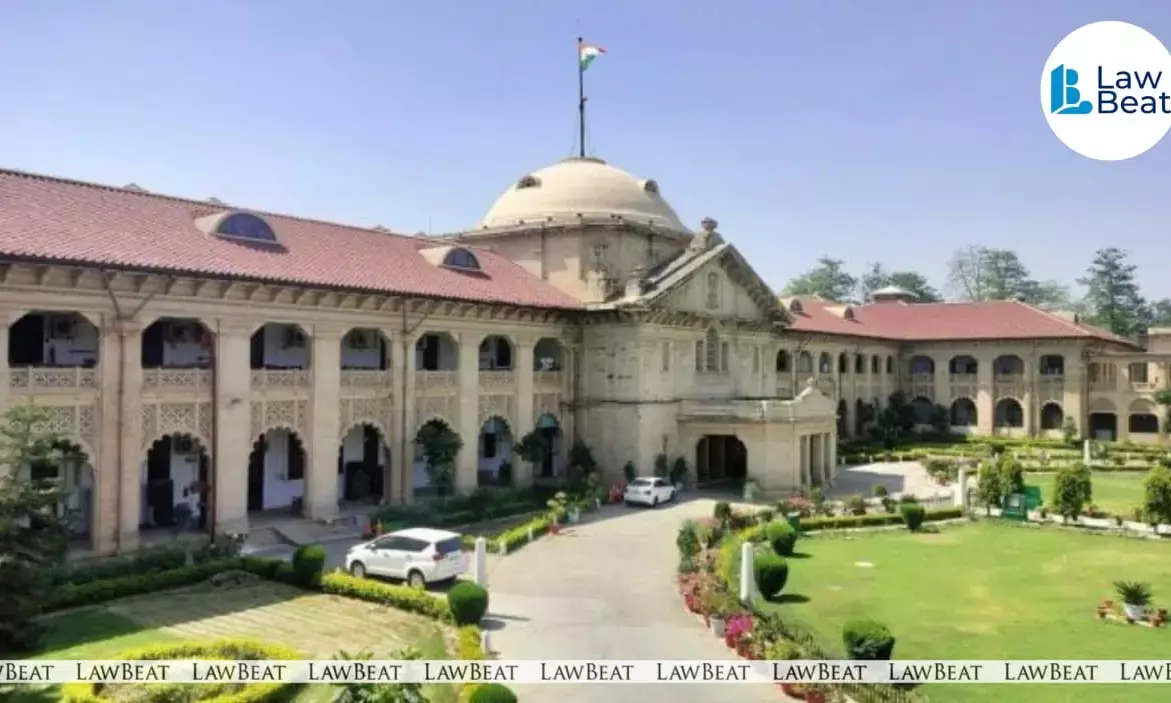
PIL plea before Allahabad High Court challenges zero percentile eligibility for NEET PG medical admissions
A public interest litigation has been filed before the Allahabad High Court challenging the decision of National Board of Examinations in Medical Sciences (NBEMS) to permit candidates from Scheduled Caste, Scheduled Tribe and Other Backward Classes to participate in NEET-PG 2025 counselling despite securing as low as minus 40 marks out of 800 in the national entrance test.
The petition, filed by advocate Abhinav Gaur under Article 226 of the Constitution, questions the legality of the decision taken on January 13 to substantially lower the qualifying percentile and cut-off marks after the declaration of results and completion of two rounds of counselling. The plea contends that the move undermines merit-based selection, dilutes academic standards in postgraduate medical education and poses serious risks to public health.
According to the petitioner, the National Board of Examinations in Medical Sciences conducted the NEET-PG 2025 examination as the single national-level qualifying test for admission to MD, MS and diploma courses. Results were declared on August 19, 2025, with qualifying criteria fixed at the 50th percentile for general and EWS candidates, 45th percentile for persons with benchmark disabilities, and 40th percentile for SC, ST and OBC candidates, as notified in the official information bulletin.
Counselling for postgraduate seats was conducted by the Medical Counselling Committee, with the first and second rounds held on the basis of these original eligibility norms. However, the petition states that despite these rounds, more than 18,000 postgraduate medical seats across the all-India quota and state quotas remained vacant, reportedly due to an insufficient number of candidates meeting the prescribed qualifying percentiles.
In response, the Ministry of Health and Family Welfare issued a communication on January 9, 2026, directing a reduction in the minimum qualifying percentiles for NEET-PG 2025. Acting on this, NBEMS issued a notification on January 13 revising the eligibility criteria. Under the revised norms, the qualifying percentile for SC, ST and OBC candidates, including those with benchmark disabilities, was reduced to zero, translating to a revised cut-off score of minus 40 out of 800. For general and EWS candidates, the cut-off was lowered from a score equivalent of 276 to 103, while for general category candidates with disabilities it was reduced from 255 to 90.
The petitioner argues that this decision effectively allows candidates who have failed to demonstrate even a minimum threshold of medical knowledge in a nationally administered examination to enter specialist training programmes. The plea claims that permitting candidates with zero or negative scores to qualify for postgraduate medical courses strikes at the core purpose of NEET-PG as a merit-based screening test.
It has been contended that postgraduate medical seats involve specialised training in critical disciplines such as surgery, internal medicine, anaesthesia and paediatrics, which directly feed into the healthcare system.
Lowering qualifying percentiles to zero, the petition argues, opens the doors of specialist training to candidates who may lack basic academic competence, thereby endangering patient safety and violating the right to health under Article 21 of the Constitution.
The petition further alleges that the impugned decision is arbitrary and unconstitutional, violating Articles 14, 15 and 16. While acknowledging that the Constitution permits affirmative action for backward classes, the plea contends that such provisions do not authorise the complete abandonment of minimum eligibility standards, particularly in professions impacting public life and safety.
The petitioner argues that the extreme relaxation creates an unreasonable and excessive disparity between categories, eroding equality of opportunity.
Another ground raised is that the cut-off reduction was effected after the results were declared and counselling had commenced, thereby altering the rules mid-process. This, the petition states, defeats the legitimate expectations of candidates who prepared and competed based on the originally notified standards and undermines transparency and fairness in the admission process.
The plea also points to institutional consequences, stating that medical colleges and teaching hospitals will now be required to absorb trainees with inadequate academic readiness, placing additional burdens on faculty, training systems and healthcare delivery. It argues that such regulatory dilution erodes public confidence in medical education and weakens the credibility of national examination mechanisms.
The petitioner has sought a stay on the operation of the January 13 notification, along with a direction to quash the communication of January 9 issued by the Ministry of Health and Family Welfare.
Case Title: Abhinav Gaur vs. Union of India and Others