
Missionary Activities Can Lead To OCI Registration Cancellation Even Without Religious Conversion: Madras HC
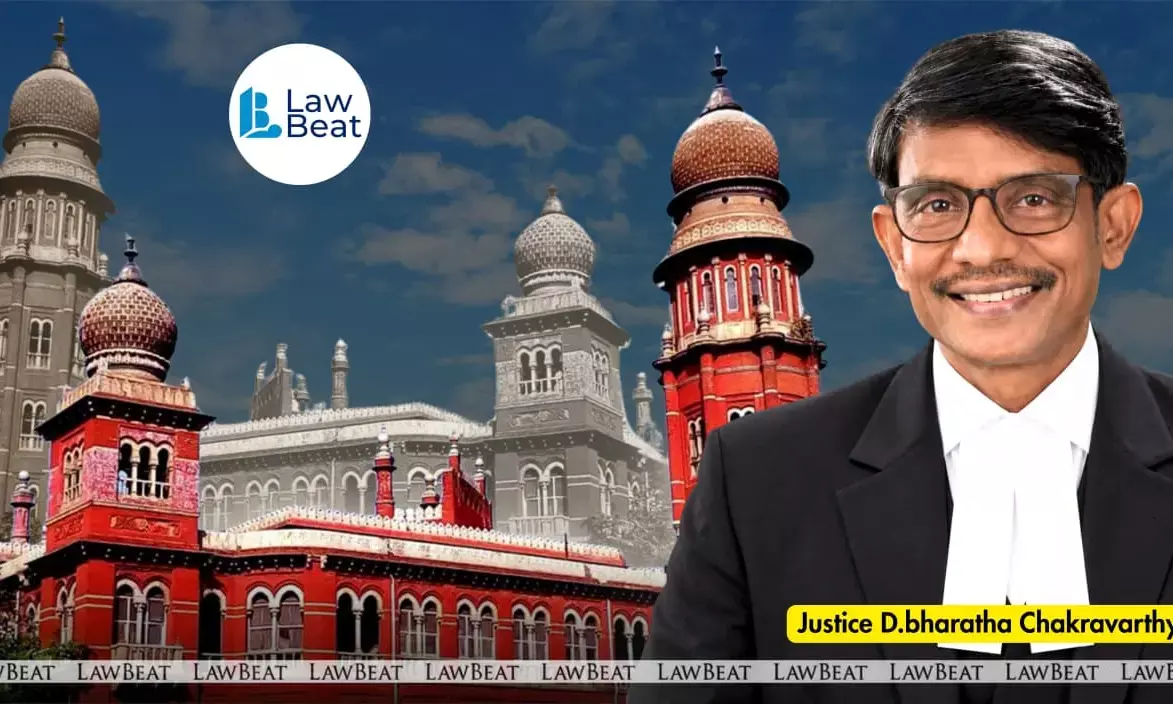
The Madras High Court has upheld the cancellation of a United States citizen’s Overseas Citizen of India (OCI) registration over missionary activities allegedly undertaken in India without prior permission, holding that the requirement applies even when religious conversion is not established.
Justice D. Bharatha Chakravarthy dismissed a writ petition filed by John Daniel challenging the cancellation of his OCI registration under Section 7D of the Citizenship Act, 1955.
Rejecting his contention that the cancellation violated the principles of natural justice, the Court held that materials placed before it showed that Daniel had repeatedly addressed religious congregations and meetings in Tamil Nadu and Andhra Pradesh.
The Court also rejected his categorical denial of missionary activities, observing that his claim that he had visited India only to meet his mother, relatives and friends was “on its face a lie”.
"The remedy under Article 226 of the Constitution of India is an equitable remedy and cannot be extended in the face of the petitioner's blatant, bald denial and the materials placed on record before this Court" the Court held.
Prior Permission Required Even To Preach Religion
The Court referred to notification S.O.1050(E), dated March 4, 2021, issued under Section 7B of the Citizenship Act, which requires OCI cardholders to obtain special permission before undertaking specified activities, including missionary work.
It held that undertaking missionary activities without the required permission could render an OCI registration liable to cancellation under Section 7D(da) of the Act.
"If the petitioner preaches and undertakes activities to spread the word of ‘God’, such activities would fall within the meaning of missionary activity. Therefore, he ought to have obtained special permission in that regard. He has not obtained such permission" the Court observed.
The judge clarified that the permission requirement was not confined to cases involving religious conversion.
"It is one thing to contend that the petitioner is not involved in conversion and is only spreading the message of ‘God’. However, it is not only for conversion, but even to be a missionary preaching his religion, it is only a prior permission that is mandated" the Court held.
Authorities Produce Materials On Religious Meetings
Daniel, who received OCI registration on February 6, 2015, was issued a show-cause notice in September 2025 alleging that he had undertaken missionary activities in India without special permission and misused his OCI status to conduct religious activities.
The notice alleged that he preached in villages in Andhra Pradesh and Tamil Nadu, organised prayer meetings and encouraged Christian conversions through evangelical activities. It also alleged that he led the Laymen's Evangelical Fellowship International (LEFI), which the authorities described as functioning like a cult.
Daniel denied the allegations, maintaining that he had neither engaged in missionary activities nor promoted religious conversions in India. He said his visits were solely to meet his ailing mother, relatives and friends.
The Union government placed before the Court online material concerning Daniel's participation in religious meetings, including a poster advertising his speeches at LEF Church in Tenali, Andhra Pradesh, in January 2017, and material relating to meetings held in subsequent years.
The Court found that the material indicated that Daniel had consistently addressed congregations and meetings in Tamil Nadu and Andhra Pradesh, with advertisements inviting members of the public to attend.
"Those materials cannot be regarded by this Court as fabricated or concocted" the judge observed.
Natural Justice Argument Rejected
Daniel argued that the authorities had not furnished the material relied upon against him, preventing him from effectively answering the allegations. He relied on the Delhi High Court's judgment in Ashok Swain v. Union of India and Others to contend that he should have received a real and effective opportunity to respond.
The Madras High Court acknowledged that natural justice may require disclosure of relevant documents and an opportunity to answer specific allegations. However, it said the application of these principles depended on the facts of each case.
The Court found that Daniel had not disputed specific incidents but had instead denied missionary activity altogether, claiming that he visited India only for family purposes. It held that this sweeping denial was contradicted by the materials placed before it.
"I am unable to accept the contention of the learned Senior Counsel appearing on behalf of the petitioner that a further detailed opportunity needs to be afforded to the petitioner" the judge held.
The writ petition was, therefore, dismissed. The Court clarified that Daniel remained free to apply for a regular visa to visit his mother. He could undertake religious activities in India after obtaining the requisite official permission.
Case title - John Daniel v. The Union of India